

The hot weather in Thailand affects not only people but also poses a danger to pets like dogs and cats, especially in homes that accumulate high heat or homes that lack good ventilation. The hotter the house… the higher the risk of heat stroke (Heat Stroke) which can be life-threatening.
What is heat stroke and why is it dangerous in hot homes?
Heat stroke is a condition where the body cannot dissipate heat quickly enough, causing an abnormal rise in body temperature.
Main causes in homes
- Homes accumulate heat from walls and roofs.
- House paint absorbs heat.
- Poor air circulation.
Especially homes that use exterior paint that does not help reflect heat will make the inside of the house significantly hotter by several degrees.
How to observe symptoms of heat stroke in people and pets
Heat stroke in people
- Dizziness, feeling faint.
- Homes exposed to direct sunlight.
- Homes with pets.
- Homes that want to reduce electricity bills.
- People who want to “truly feel more comfortable.”
- Excessive sweating or cessation of sweating.
- Abnormally high body temperature.
- Fatigue or loss of consciousness.
Heat stroke in pets
- Heavy panting, rapid breathing.
- Tongue out, excessive drooling.
- Lethargic, unresponsive.
- Vomiting or seizures
If you notice these symptoms, you must provide immediate assistance
How to cope when heat stroke occurs
Basic first aid methods
- Move to a shaded or cool area
- Use water to cool down or reduce temperature
- Turn on fans or air conditioning for help
- Give water to drink (if still conscious)
And quickly take to a doctor or veterinarian

A common overlooked cause: “Hot house”
Many people take good care of themselves and their pets but “forget to take care of the house” because the house is the main source of heat accumulation, or you could say it is the primary factor in heat accumulation, as the house is the main source of heat accumulation
Common problems
- House walls retain heat
- House paint absorbs heat
- House remains hot even with the fan on
How to turn your house into a “Cool Zone”
The sustainable solution is To reduce heat from the house structure
Effective methods
- Choose exterior paint that reflects heat
- Use paint that lowers wall temperature
- Adjust color tones suitable for hot weather
How to choose paint for a truly cool house
Choose exterior paint that reflects heat
A good exterior paint should:
- reduce heat absorption
- reflect UV rays
- prevent walls from accumulating heat
choose house paint with technology that helps reduce heat
New paint models are designed to:
- lower wall temperatures
- make the house cooler
- reduce the load on air conditioning
or choose a house that has REI technology that helps with heat reflection, heat dissipation, and heat resistance
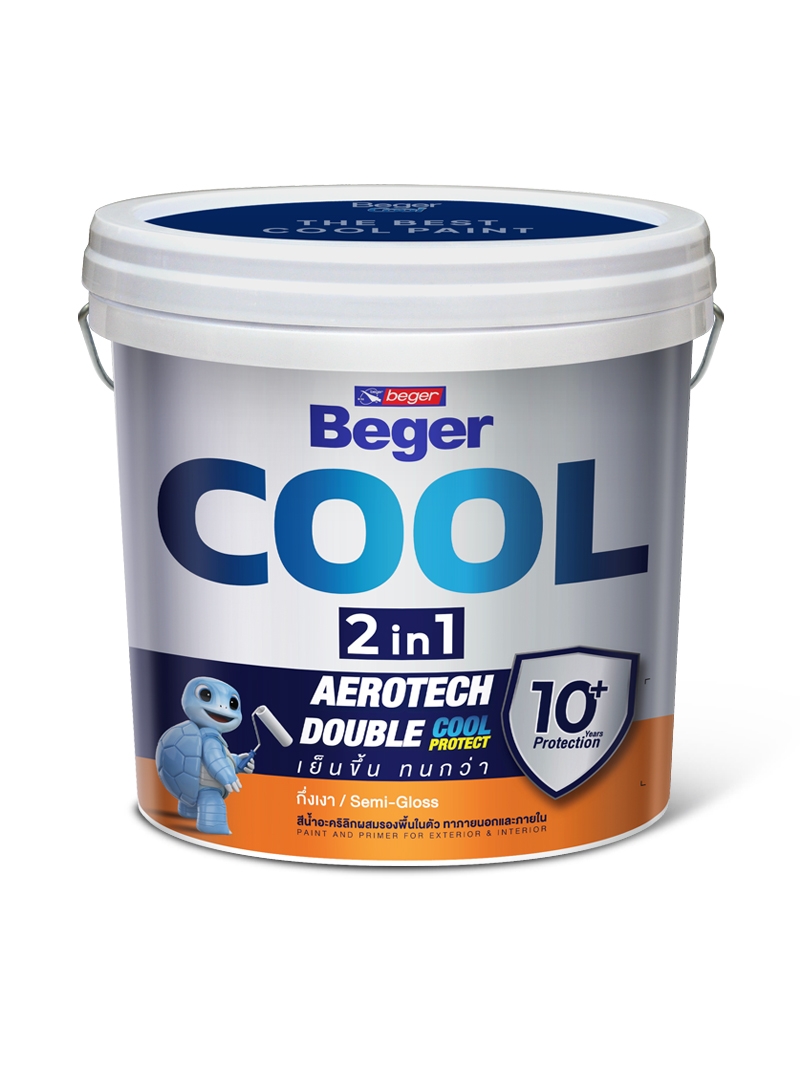
Transform your home into a cool haven with BegerCool 2in1
One of the solutions to the hot weather in Thailand is BegerCool 2in1
Highlights
- helps reflect heat from sunlight
- lowers the temperature of house walls
- helps make the house noticeably cooler
- suitable for both people and pets
Who is it suitable for
- houses exposed to intense sunlight
- houses with pets
- houses that need Reduce electricity bills
- For those who want to “truly live comfortably”
Heatstroke is no longer a distant concern, and it affects not only people but also our beloved pets. The best prevention is not just taking care of the body, but starting from home. Choose paint colors that help reduce heat, select exterior colors suitable for hot weather, and transform your home into a safe space. BegerCool 2in1 is one option that truly helps keep your home cooler, allowing everyone in the house, including pets, to be in a “cool, comfortable, and safe” environment.
Product Recommendations
FAQ Frequently Asked Questions about heatstroke in dogs and cats (pets)
Q1: Can a hot house really cause pets to suffer from heatstroke?
A1: Yes, especially in homes with poor ventilation or high heat accumulation. Pets will have a harder time dissipating heat, making them more susceptible to heatstroke than humans.
Q2: Does house paint really help reduce heat?
A2: Yes, it does. House paint with heat-reflective properties can lower wall temperatures and make the home cooler.
Q3: What type of exterior paint is suitable for hot weather?
A3: You should choose exterior paint that reflects UV and reduces heat absorption to prevent heat accumulation in the house.
Q4: What type of home is BegerCool 2in1 suitable for?
A4: It is suitable for homes exposed to strong sunlight, hot houses, or homes with pets that need to reduce heat and increase comfort.
Q5: How can I prevent heatstroke at home?
A5: In addition to taking care of the body, you should reduce heat in the house, such as using heat-reducing paint and improving ventilation.
Q6: Does a cooler home really help reduce electricity bills?
A6: Yes, because when the home is cooler, the air conditioning works less, resulting in reduced energy consumption.