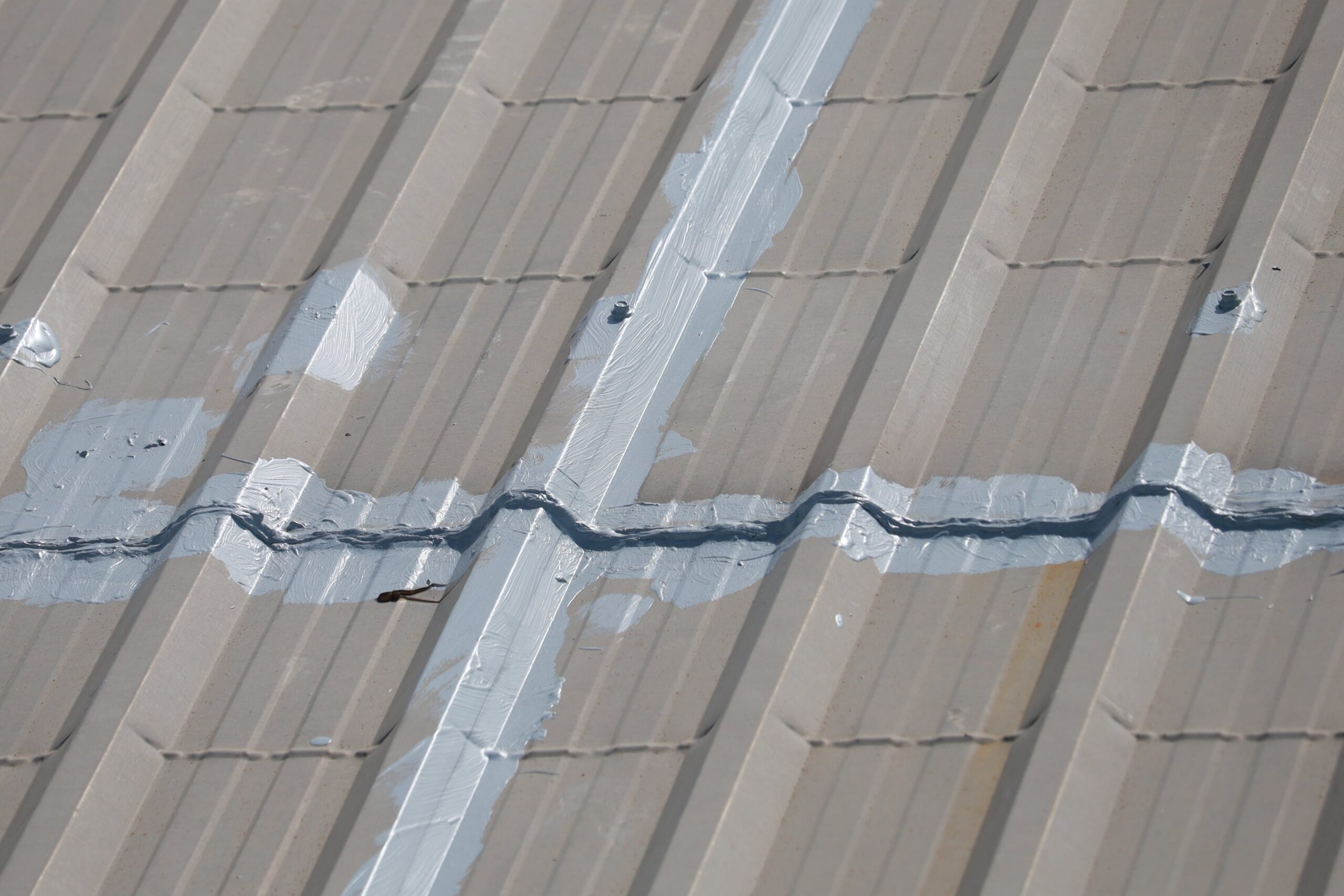
Leakage from metal sheet roofs is a problem that many homeowners face, especially during the rainy season when it rains frequently or in areas with humid weather year-round. If neglected for too long, it not only detracts from the beauty of the home but also risks damaging the house’s structure and increases future maintenance costs.
Causes of leaking metal sheet roofs
- Non-standard construction or installation For example, improper slope, insufficient overlap of metal sheets.
- Lifespan and degradation: Metal sheets that have been used for a long time often develop rust, corrode, and create leaks.
- Loose screws or worn gaskets: The screw head is the most common weak point where leaks are found.
- Leaks at joints and seams: Caused by the expansion and contraction of metal due to temperature, resulting in open seams.
- Clogged gutters or poor drainage: Water flows back under the roof.
- Using non-standard waterproofing products: Low-quality seals or waterproof coatings deteriorate quickly.
Solutions for leaking metal sheet roofs
1. Clean the surface before repair.– Remove rust and dirt from the metal sheet roof completely to ensure that the coating or repair material adheres well.
2. Seal leaks with quality materials.– Use PU Sealant like Beger PU Seal, which is highly flexible, to seal joints and effectively prevent water leakage.
3. Apply anti-rust primer paint– Apply the rust protection primer with BegerShield Griptech 2IN1 Rustproof formula to extend the lifespan and prevent corrosion.
4. Coated with waterproof paint– Protect your roof with Beger RoofSeal Cool, which has heat-reflective and waterproof properties.
- Use in conjunction with Beger Fiber Mesh to reinforce and increase durability.
- It is recommended to apply at least 2 coats, allowing 2–3 hours for drying between applications.
The consequences of allowing roof leaks:
- Water stains and mold on ceilings and walls.
- Damage to wooden or steel structures from rot and rust.
- Increased energy consumption because accumulated moisture makes the house hot and humid.
- Higher maintenance costs if left for too long until the problem escalates.
How to prevent metal sheet roof leaks:
- Inspect the roof condition at least 1–2 times a year, especially before the rainy season.
- Regularly clean gutters and remove debris/leaves that block them.
- Use high-quality waterproofing products, such as Beger RoofSeal Cool together with Beger Fiber Mesh to enhance strength.
- Repair immediately when small leaks are found before they escalate.
FAQ Frequently Asked Questions
Q1: How long does a metal sheet roof last before it starts to deteriorate?
A: Generally, the average lifespan is 10–15 years. With proper care and regular application of anti-rust paint, it may last longer.
Q2: Can I fix it myself or should I call a professional?
A: Small leaks can be fixed by yourself using PU Sealant, but you should have some skills in roofing and knowledge of construction. If it’s a large leak or structural damage, you should have a qualified technician inspect it.
Q3: Does a leaking roof really increase electricity bills?
A: Yes, because accumulated moisture makes the house hotter and causes the air conditioning to work harder.
Q4: What type of waterproof coating should I choose?
A: You should choose a waterproof + heat-reflective type, such as Beger RoofSeal Cool, which helps prevent water and reduce the temperature of the house.