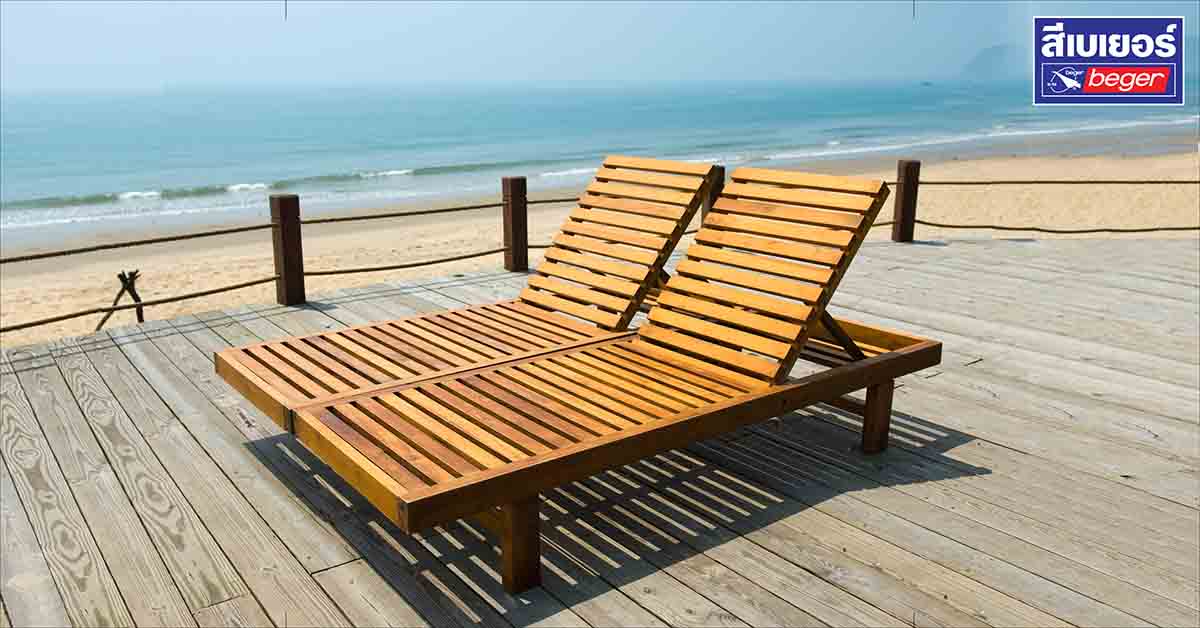
Beautiful woodwork is not just about the gloss or the intensity of the color, but “the charm of real wood” lies in the natural patterns and tones. If the wood is painted and the grain disappears, the surface looks dull and hard, lacking transparency. The woodwork will immediately appear unnatural. This problem is commonly found in wooden walls, wooden floors, and furniture, especially when choosing products that are not suitable for the type of work. This article will explain the causes, solutions, and proper prevention methods.
Why does painted wood look unnatural?
1. Choosing the wrong type of paint
Using “opaque paint” or paint that emphasizes surface coverage will completely mask the wood grain, making the woodwork look more like synthetic material than real wood.
2. Too thick a paint film
Applying too many layers unnecessarily or choosing products that create a thick film will make the wood surface look stiff and not showcase the dimension of the wood grain.
3. Not preparing the surface properly
If the wood surface still has resin stains, dust, or uneven roughness, the paint applied will not penetrate the wood naturally, causing the color shades to be distorted and look unharmonious.
How to fix the issue when the wood grain disappears after painting
Step 1: Prepare the surface correctly
Surface preparation is the heart of natural woodwork.
- Sand the wood surface down to the original wood. Use sandpaper grit 80–100 to remove the old paint film and open the surface for the new product.
- Clean the surface Wipe off all dust and dirt.
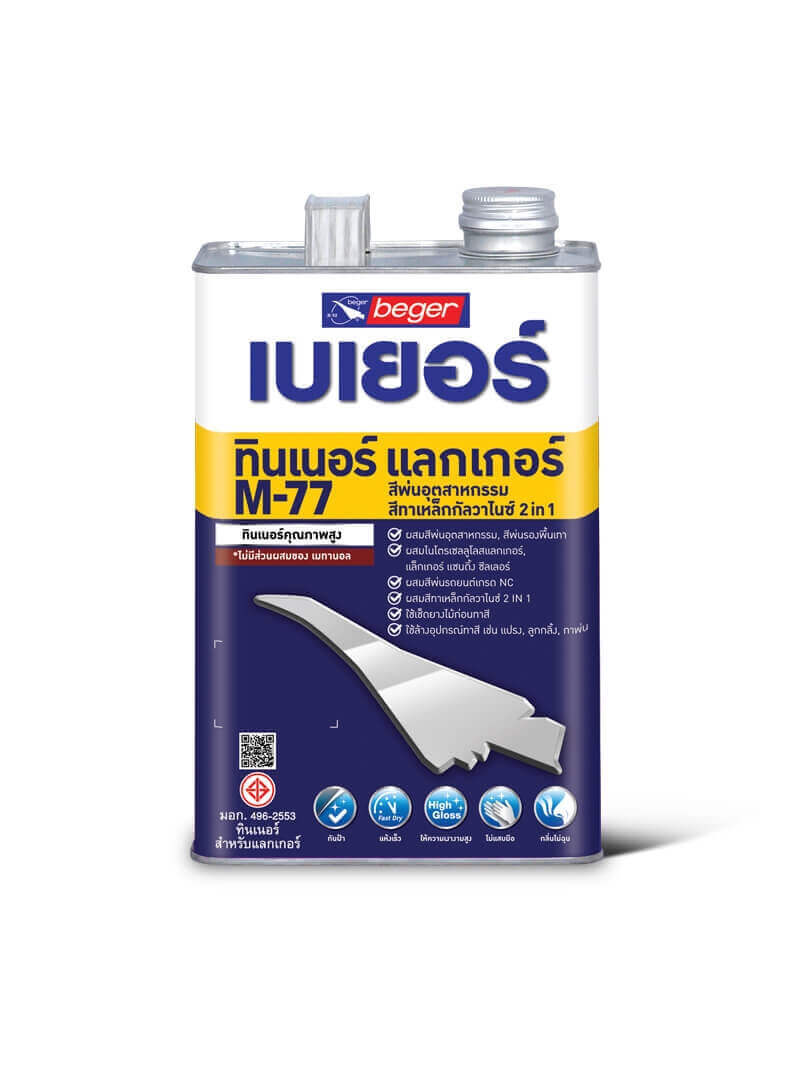
- In case of resin stains on the wood Clean with Beger Thinner M-77 to prevent future paint bleed issues.
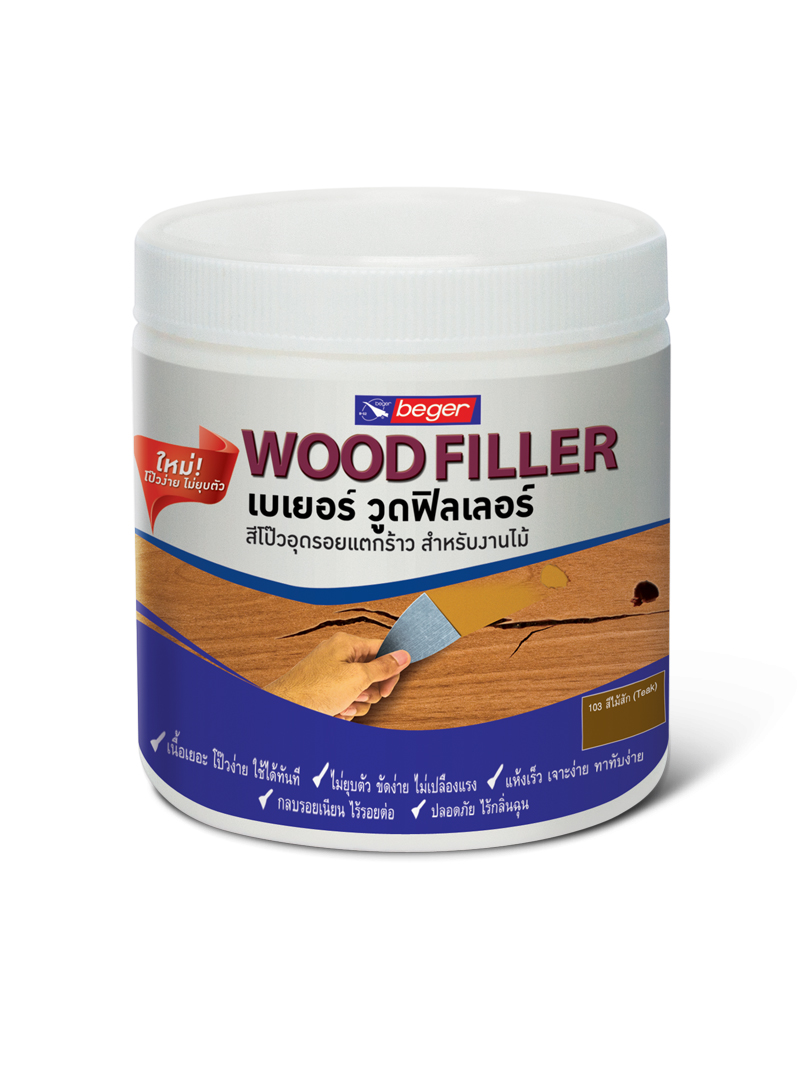
- Repair blemishes If there are cracks, holes, or nail head marks, they should be filled with Beger Wood Filler. Leave it for about 30 minutes, then sand with 320 grit sandpaper and clean again.
A good surface will help the clear film showcase the wood grain effectively.
Step 2: Choose a clear film product suitable for the type of work.
If you want the wood to look natural, you should choose a product with a “clear or semi-transparent film” characteristic to allow the color to penetrate the wood without covering the grain.
Wood wall / Vertical wood work
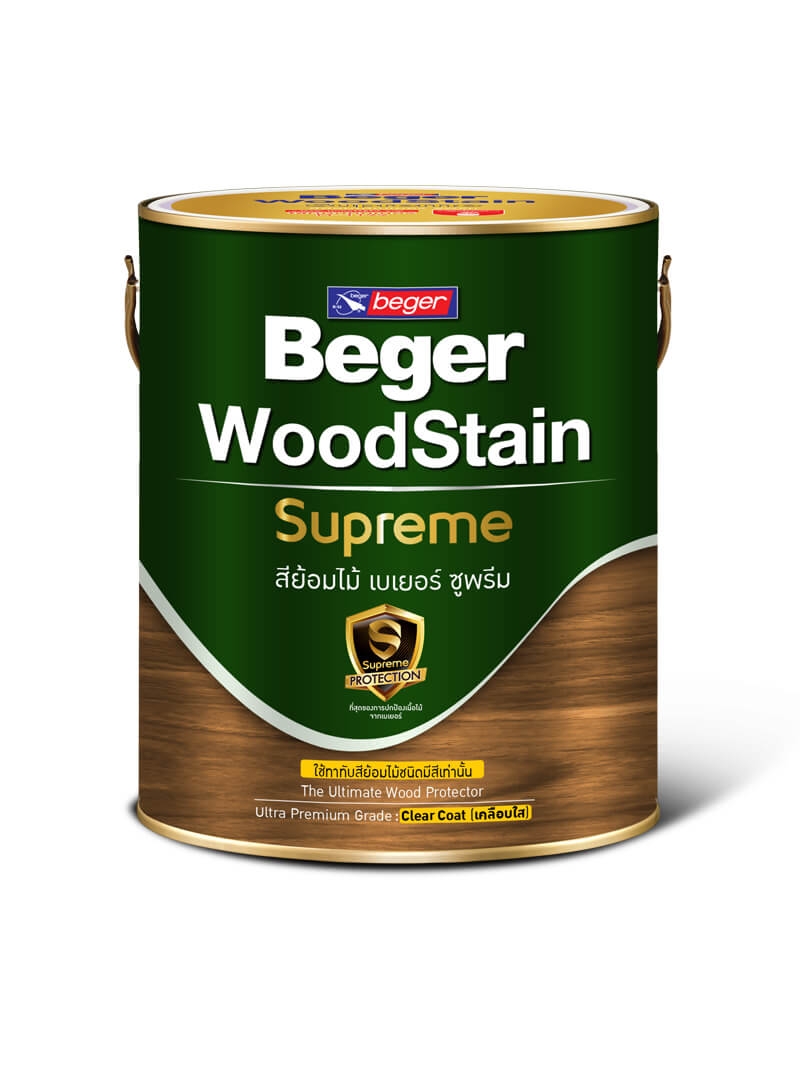
Choose a clear wood stain such as Beger Woodstain Supreme Clear Wood Stain which helps preserve the original wood grain while enhancing the depth of color tones naturally.
Wood flooring
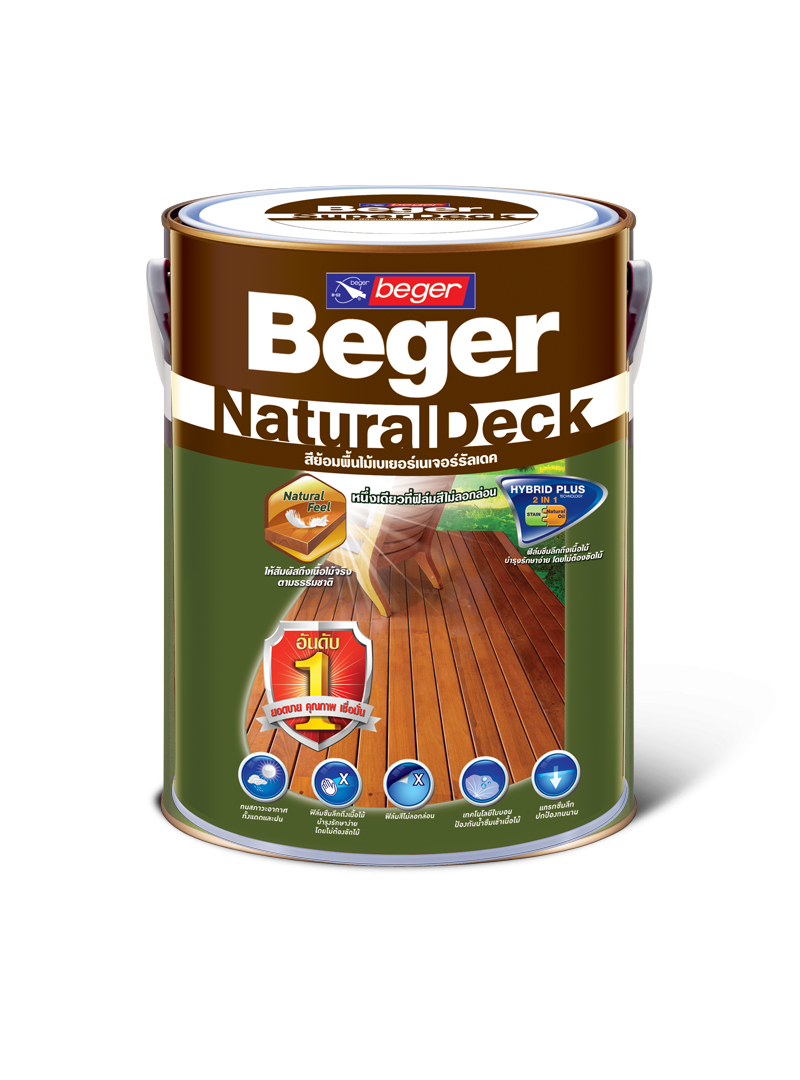
Wood floors must withstand foot traffic, so you should choose a specialized product such as Beger Natural Deck Wood Stain which provides durability for heavy use while maintaining the natural appearance of the wood grain. If the wood floor has faded, you can choose natural color tones such as
- Teak color
- Mahogany color
- Redwood color
- Rosewood color
- Walnut color
to refresh it without losing the wood grain.
Wood furniture work
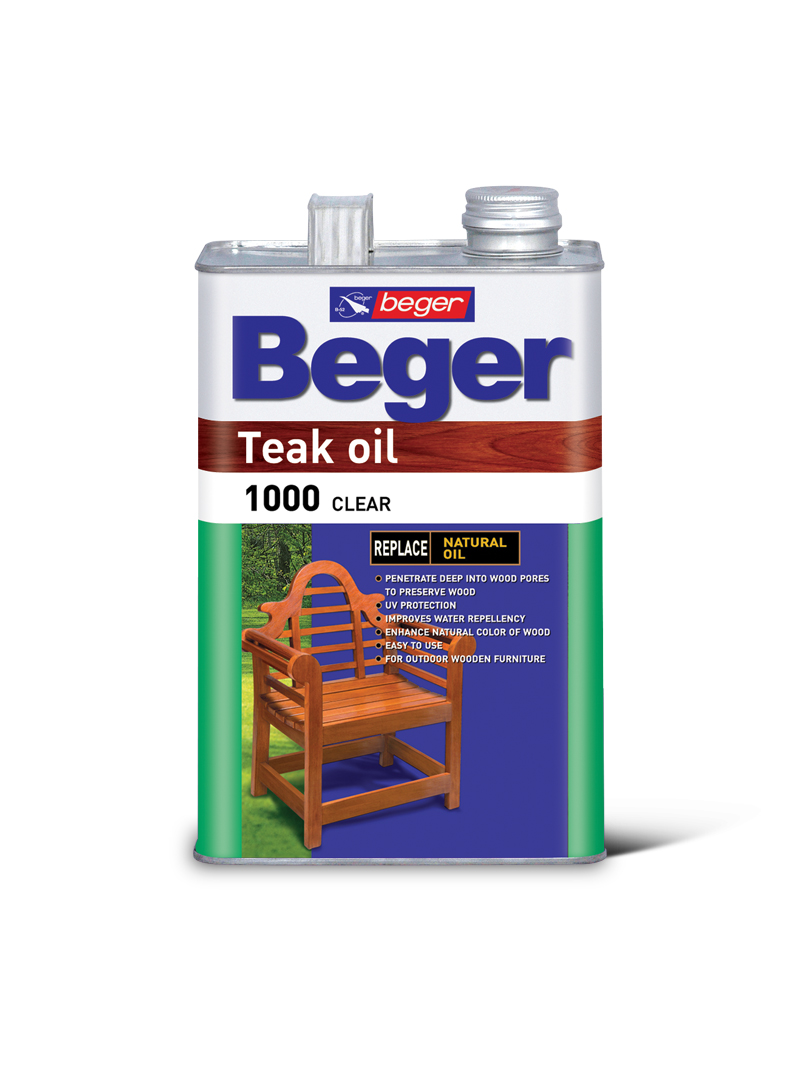
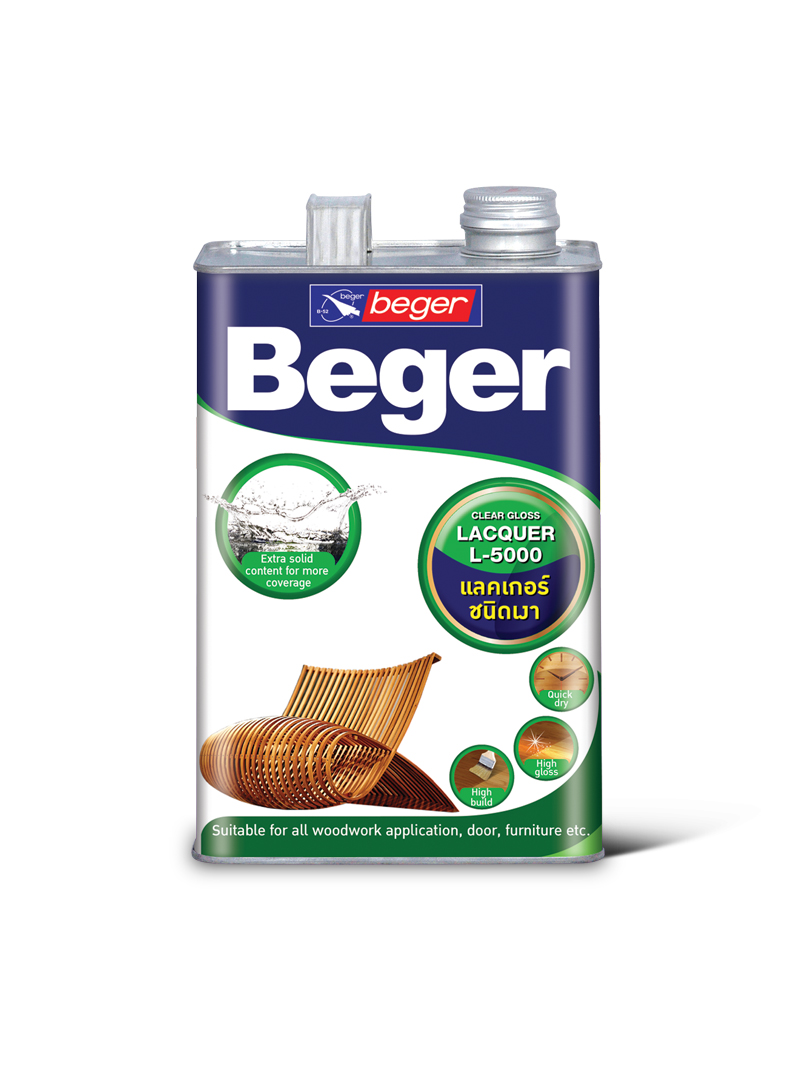
You should choose a clear lacquer such as Beger Lacquer L-5000 or use wood maintenance oil such as Beger Teak Oil which will help coat and protect the wood from sun, rain, mold, algae, and wood-eating insects while maintaining the natural texture of the wood clearly.
Preventing Problems from Recurring
- Choose high-quality clear film wood paint
- Apply in appropriate coats, not too thick
- Read product information according to the type of work (walls / floors / furniture)
- Prime with wood preservative before applying the actual paint for enhanced long-term protection
Professional tips that many overlook
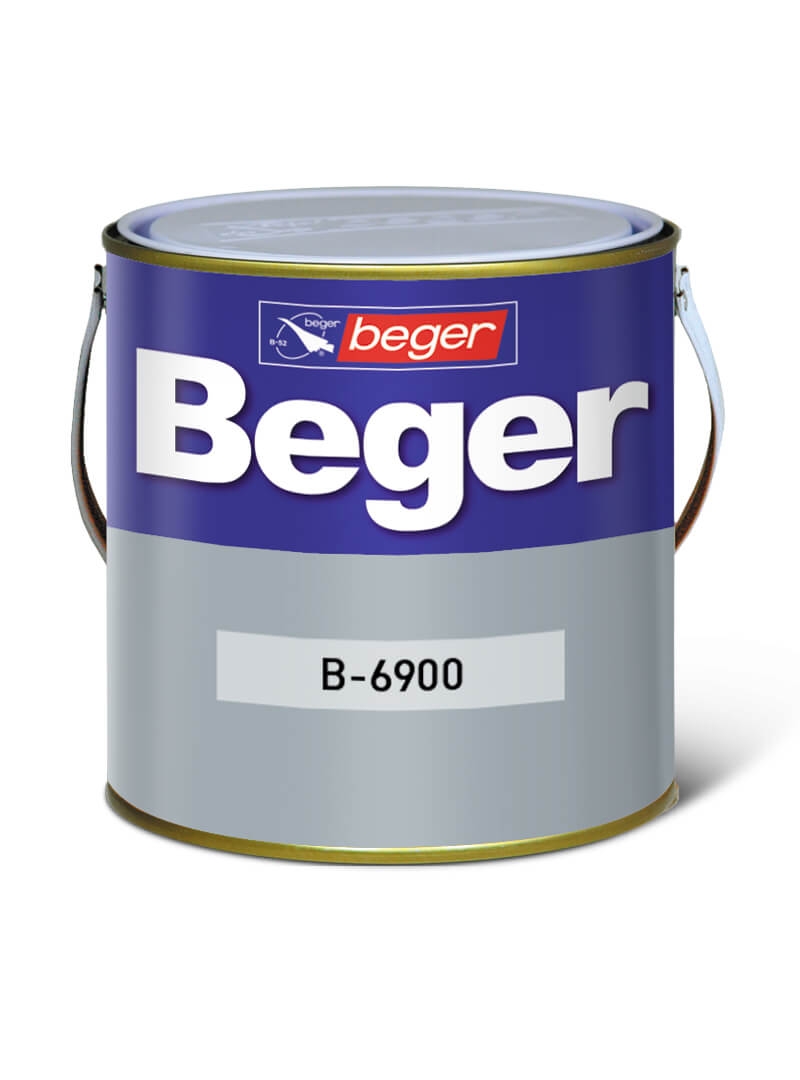
In the case of softwood, such as pine or rubber wood, after preparing the surface, it is advisable to prime with Beger B-6900 wood preservative 1 coat helps increase protection against mold, algae, and wood-eating insects while extending the lifespan
Related Products
FAQ Frequently Asked Questions about Painting Wood Naturally
Q1: After painting wood, the wood grain disappears. How can I restore it to look natural?
A1: You should sand off the old paint film with 80–100 grit sandpaper to expose a new wood surface. Then choose a clear film wood stain, such as Beger WoodStain Supreme Clear Coat, to allow the color to penetrate the wood without covering the original grain.
Q2: Should I choose clear or opaque wood paint if I want a natural look?
A2: If you want to maintain the wood grain and natural texture, you should choose clear or semi-transparent wood paint, as it will not obscure the wood grain, unlike opaque paint that focuses on covering the entire surface.
Q3: What type of paint should I use for wood floors to keep them looking beautiful and durable?
A3: For wood floors, you should choose products specifically for flooring, such as Beger NaturalDeck, which is resistant to foot traffic and maintains the clarity of the wood grain without making the surface look thick.
Q4: Why does the paint look uneven after painting wood?
A4: The main reason often comes from poor surface preparation, such as not sanding the wood surface or having residual wood sap. You should clean and prepare the surface properly before painting every time.
Q5: Do softwoods need to be primed before painting?
A5: It is advisable to prime with a wood preservative, such as Beger B-6900, to help protect against mold, insects, and to ensure more even color penetration, especially for pine or rubber wood.