
Heat-Reflective House Paint is a type of building paint designed to “reflect” heat energy from sunlight instead of “absorbing” it like regular paint. It utilizes special additives such as Ceramic Cooling, which helps reflect UV rays and heat by up to 97% according to laboratory test results. With reduced heat accumulation in walls and roofs, the indoor temperature of the house decreases, leading to less strain on air conditioning units and lower electricity bills. This article will explain the working principles, selection criteria, and proper application techniques to achieve optimal results.
How to Choose Heat-Reflective House Paint: What Criteria to Consider
The principle of selection is to look at “verifiable data,” not just advertising claims on labels. The criteria used by color experts for evaluation include four points as follows:
- Laboratory Test Results for Heat Reflection Reliable heat-reflective paints should specify the heat or UV reflection values along with a verifiable testing source, not just vague numbers.
- High-Efficiency Energy-Saving Label (Number 5) A national standard under the Ministry of Energy (reference: EGAT and the Department of Alternative Energy Development and Efficiency). Paints that meet this criterion have been certified for their ability to reduce temperature and energy consumption by government agencies, making it the easiest filter for consumers.
- Suitability for Surface and Usage Position Exterior wall paint, interior paint, and roof paint have different formulas. Using the wrong type in the wrong location can lead to reduced paint lifespan and ineffective heat resistance.
- Complete Color System from the Same Technology Using a primer and topcoat with the same heat-resistant additives will work synergistically, unlike mismatched systems that may yield inconsistent results.
Additional Facts to Know: Color Tone Affects Natural Heat Reflection
Lighter colors reflect light better than darker tones, but paints mixed with Ceramic Cooling help compensate for this limitation, allowing for darker shades while maintaining good heat resistance properties.
4 Techniques for Applying Heat-Reflective House Paint for Maximum Effectiveness
The key principle is “systematic heat resistance” because heat enters the house through both the roof and walls. If only one area is addressed, heat will still enter through the remaining openings. The method for painting that keeps the house cool is to use paint with reflective and heat-resistant properties such asBegerCool, a heat-reflective paint that reflects UV rays, including UV-A, UV-B, and UV-C, and is the first and only paint in Thailand to useCeramic Cooling, also known as Microsphere Ceramic, the same technology used in NASA’s space shuttles, which helps reflect and block external heat from entering the home. According to laboratory tests on radiation and heat from Singapore, it can reflect heat by up to 97%.
Technique 1: Paint the Roof with Heat-Reflective Paint (The Primary Heat Absorption Point of the House)
The roof is the surface that receives direct sunlight the longest in a building. The accumulated heat radiates down to the ceiling, making the upper rooms always hotter than the lower ones. This is why the roof should be the first area to be addressed with heat-reflective roof paint that reflects and blocks heat by over 96%, such as BegerCool Roof. which can be used on both metal roofs and metal sheets, and has the added property of better sound absorption from rain impact compared to regular roof paint.

Technique 2: Prepare the surface before painting the heat-resistant house.
The effectiveness of heat-reflective paint depends directly on the integrity of the paint film. If the surface has dust, mold, moss, or deteriorated old paint film, the new film will not adhere properly, leading to peeling and uneven heat reflection. Before painting, it is essential to sand, scrape, or strip away the deteriorated old paint film, clean off any dirt, and repair any cracks thoroughly. This step is the most critical variable that professional painters emphasize, but homeowners often overlook it.
Technique 3: Choose a heat-resistant primer color.
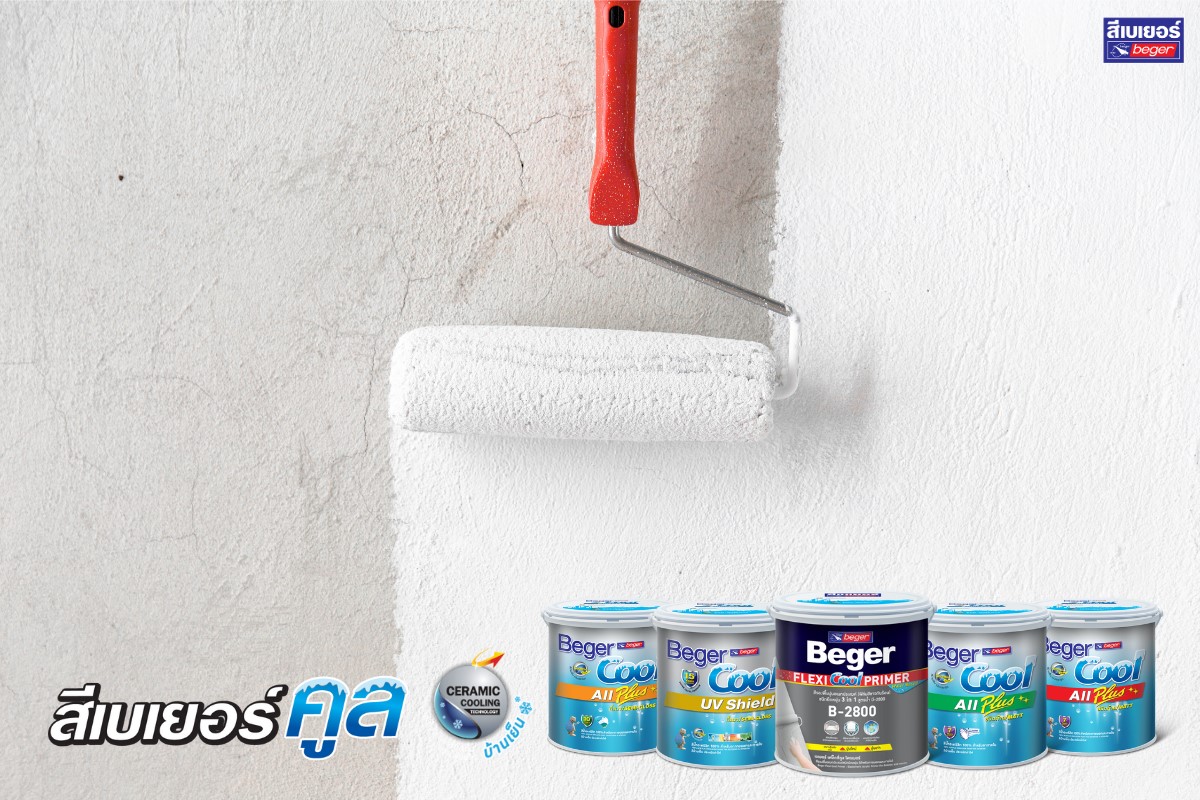
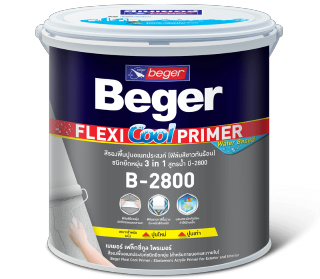
Foundation color It serves two functions: it helps to bond the surface with the topcoat and prevents issues from the surface itself, such as the alkalinity of concrete that can cause the paint to fade or peel prematurely. Moreover, if you choose a primer mixed with ceramic cooling of the same type as the topcoat, you will gain an additional heat-resistant layer within the same system. Apply just 1–2 coats and allow to dry. The models designed for this purpose include:
- BegerCool All Plus Primer5000(inside) /6000(Interior and exterior) New cement primer paint resistant to alkali, special acrylic resin formula, durable against alkali and salt stains from cement surfaces.
- Beger Flexi Cool PrimerB-2800High flexibility multipurpose primer with bonding properties, effectively protects and conceals cracks on walls.
|
|
|
|
Technique 4: Choose a topcoat with ceramic cooling and certified with label number 5.
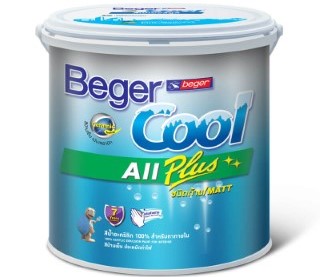
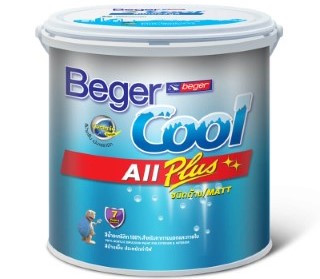
The final step is the topcoat color group. Cool house colors that has passed Energy Saving Label No. 5 which is a certification from a government agency that the product actually helps reduce temperature and energy consumption according to specified criteria. ByerCool is one of the first paint brands in Thailand to receive this label. ByerCool DiamondShield, ByerCool UV Shield (BegerCool UV Shield) or BegerCool All Plus contains a blend of ceramic cooling technology.
Correct usage: Mix the topcoat color with clean water at approximately 5–10%, stir well, and apply to the surface in 2 coats, allowing a gap of 2–3 hours before applying the next coat. Completing the required number of coats and achieving the film thickness specified by the manufacturer is a crucial condition for ensuring that the heat reflection value meets the test results.

Using heat-resistant house paint is not difficult. It is recommended to mix the desired topcoat color with clean water at about 5-10%, stirring until the paint is well combined. Then, apply it to the surface in 2 coats, leaving a gap of about 2-3 hours before applying the next coat. Just like that, your house will have a lower temperature, and electrical appliances will not have to work as hard as before, saving you thousands on your electricity bill each year.
|
|
|
|
|
|
|
|
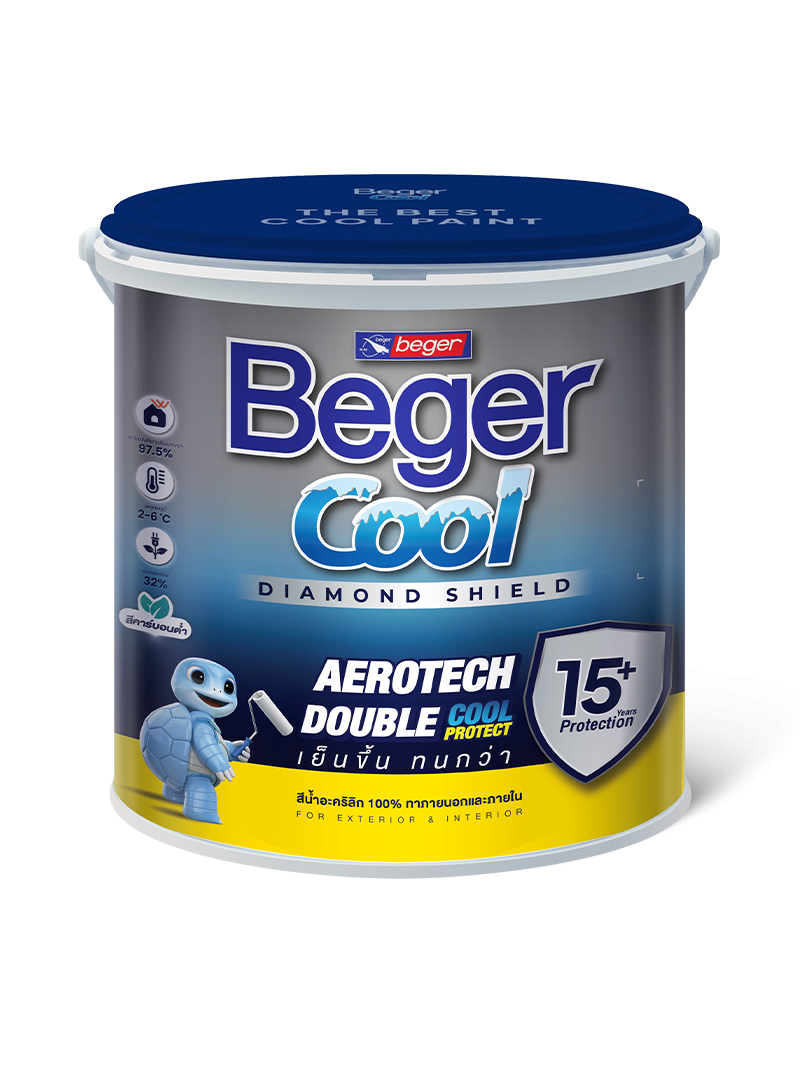
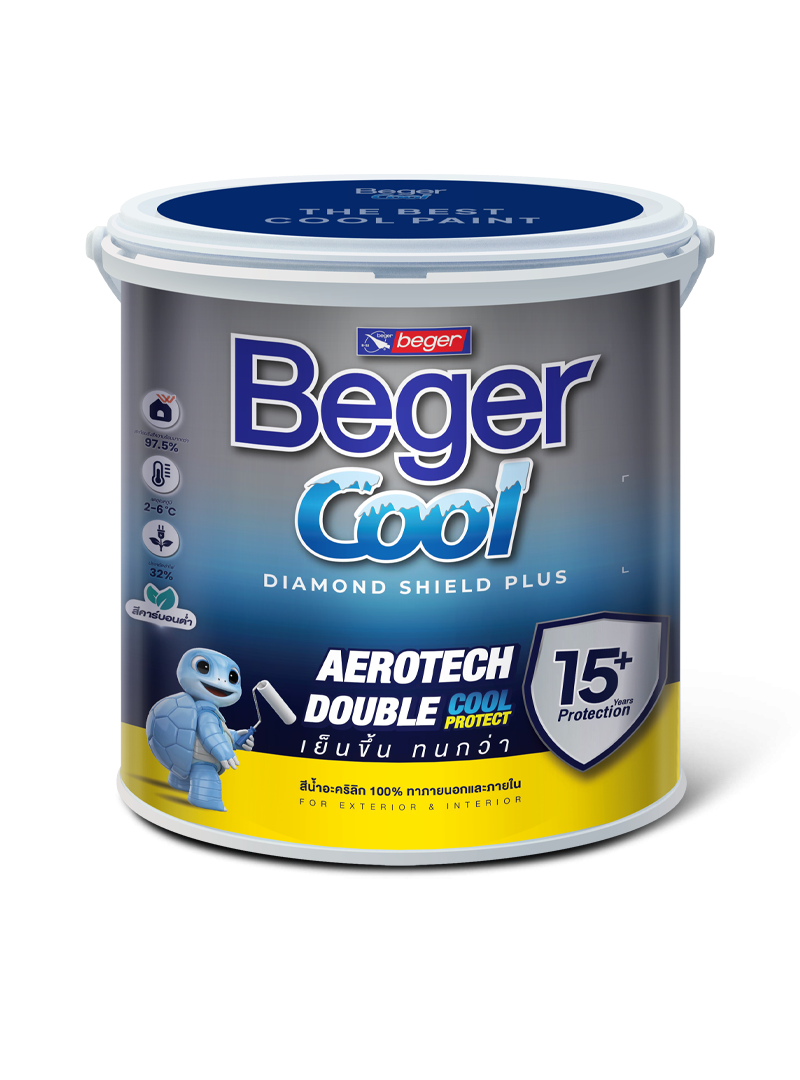
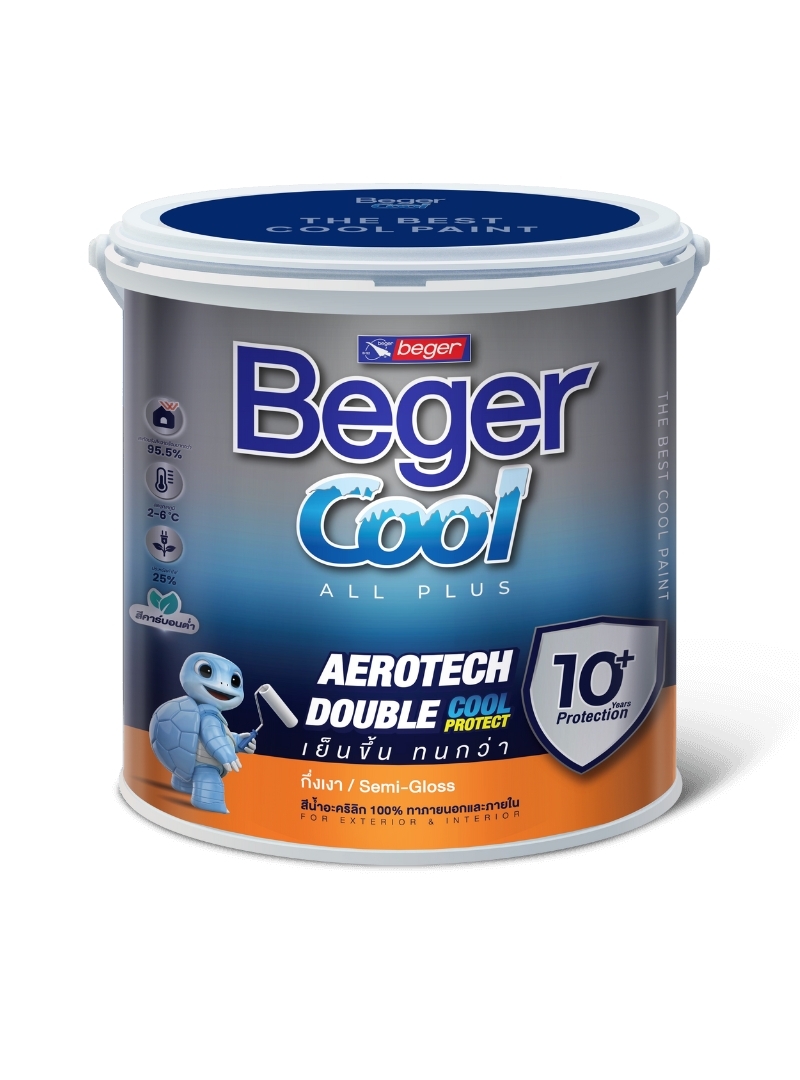
Just painting with Beger Cool, the heat-resistant house paint from Beger, helps both reflect and block heat, keeping your home super cool and saving on electricity costs. It is safe for health, free from toxins, and also contributes to environmental conservation because we arelow carbon paintthat is eco-friendly, developed with care from the upstream production process to downstream management of used paint cans. You can be confident that choosing Beger Cool paint is another way to reduce the temperature inside your home and combatglobal warmingin line with theNet Zerosustainability goal as well.
“Just paint with Beger Cool on a different wall, and your home won’t be hot, and the world won’t be hot either.”
FAQ Frequently Asked Questions about heat-resistant house paint
Q1: What is cool house paint, and how is it different from regular house paint?
A1: Cool house paint is a type of house paint that contains heat-reflective substances, such as ceramic cooling (ceramic microspheres), which help reflect UV rays and heat from sunlight away from the exterior of the building. This is different from regular paint, which absorbs heat and transfers it into the house.
Q2: Does heat-resistant house paint really help reduce electricity bills?
A2: Yes, it does in homes that use air conditioning. When the house accumulates less heat, the air conditioner works less hard, and the amount of electricity used decreases. The extent of the reduction depends on factors such as sun exposure, building materials, air conditioning usage behavior, and the completeness of the paint system applied.
Q3: Should I choose light or dark colors for heat-resistant house paint?
A3: Light tones naturally reflect more light than dark tones. If you want maximum heat resistance, you should choose light tones. However, paint mixed with ceramic cooling allows for darker shades while still maintaining a good level of heat reflection.
Q4: How long does heat-resistant house paint last, and will it need to be reapplied often?
A4: It depends on the grade of the paint and the quality of surface preparation. Premium-grade paints are designed to protect walls for many years. The most significant factor in extending the lifespan of the paint film is good surface preparation and always applying a primer before painting.
Heat-resistant house paint is about managing heat at the “source” of the home, reducing the amount of radiation absorbed from the exterior of the building before it becomes accumulated heat and a burden on the air conditioning system. The principle of selection is to look for verifiable test results, choose products that have passed the Energy Saving Label No. 5, and apply the entire system from the roof, primer, to the topcoat. If you’re unsure where to start with your home,