
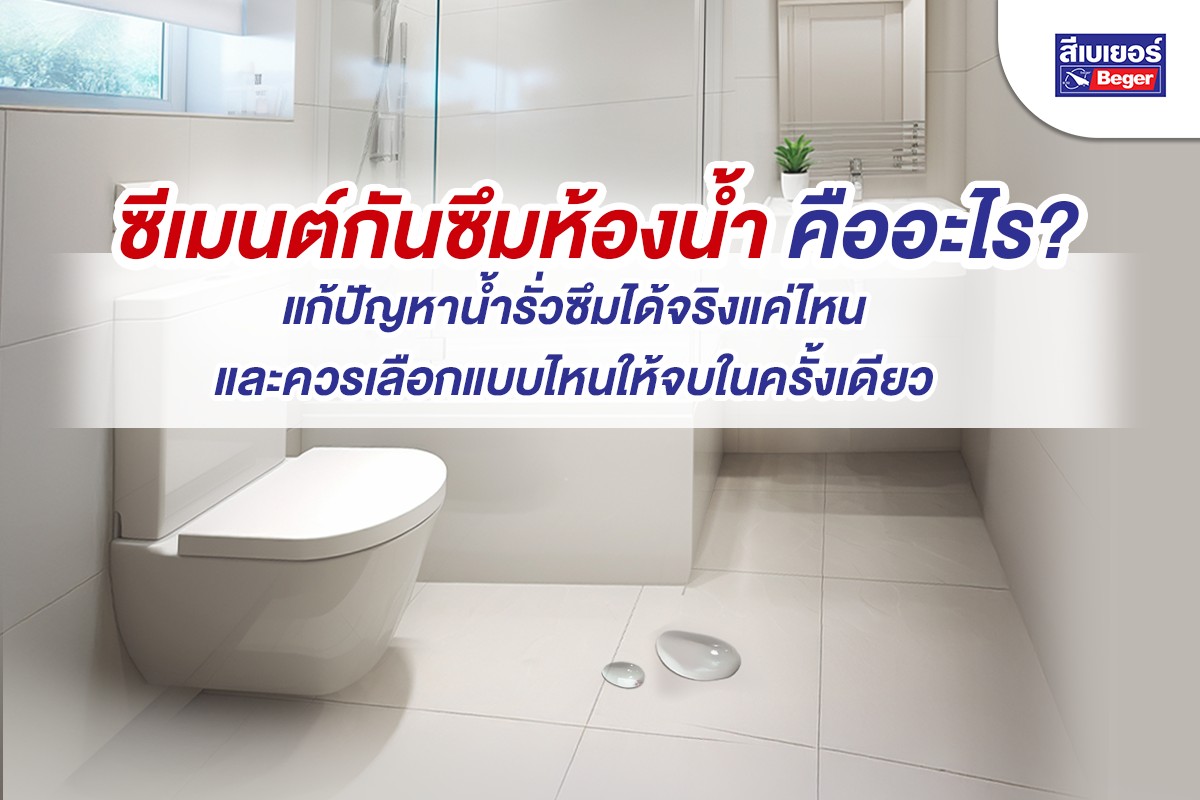
The bathroom is an area that uses water all the time, whether it’s the floor, walls, pipe corners, or tile joints. If the waterproofing system is not good from the start, problems with water leakage often follow in the long term, such as water seeping down to the lower floor, wall bubbling, peeling paint, or mold accumulation. It can also lead to structural problems (concrete spalling). One of the important materials that effectively helps to “seal these risk points” is waterproof cement for bathrooms which many people may have heard of but do not fully understand how it works and how to choose it correctly. This article will explain from the root causes of the problems to professional solutions, along with real usage examples and how to select waterproof cement suitable for the bathrooms in your home.
Why does the bathroom leak even after the tiles are installed?
Many people understand that “tiles” are waterproof materials, but in reality, tiles are merely surface covering materials – decorative materials. There is also a misconception that “Waterproof Admixture,” which is a water-reducing agent used in concrete work, will help prevent long-term leakage.
The points where water can actually seep through include
- tile joints and grout lines
- corners of walls and floors, and around sanitary pipes
- small cracks in the concrete structure
- areas with continuous water accumulation, such as shower zones, balconies, swimming pools, etc.
Over time, water will gradually seep through these points down through the concrete layer below, causing damage to the room below and accumulating until structural problems arise in the future (concrete spalling).
What is waterproof cement for bathrooms, and how does it work?
Waterproof cement is a cement-based waterproof material mixed with polymer. When applied to concrete floors or walls, it forms a well-adhered and flexible film layer that helps prevent water from seeping through.
The highlights of waterproof cement designed specifically for preventing water infiltration are:
- resistant to continuous water accumulation
- adheres well to concrete and mortar
- safe and non-toxic, suitable for drinking water according to plumbing standards
- can be tiled directly over
Examples of real problems and how to prevent and solve them with waterproof cement
Case 1: Upper floor bathroom water seeping down to the ceiling of the lower floor
The main cause usually arises from not having a waterproofing system under the tiles from the beginning.
The correct prevention and solution approach is:
-
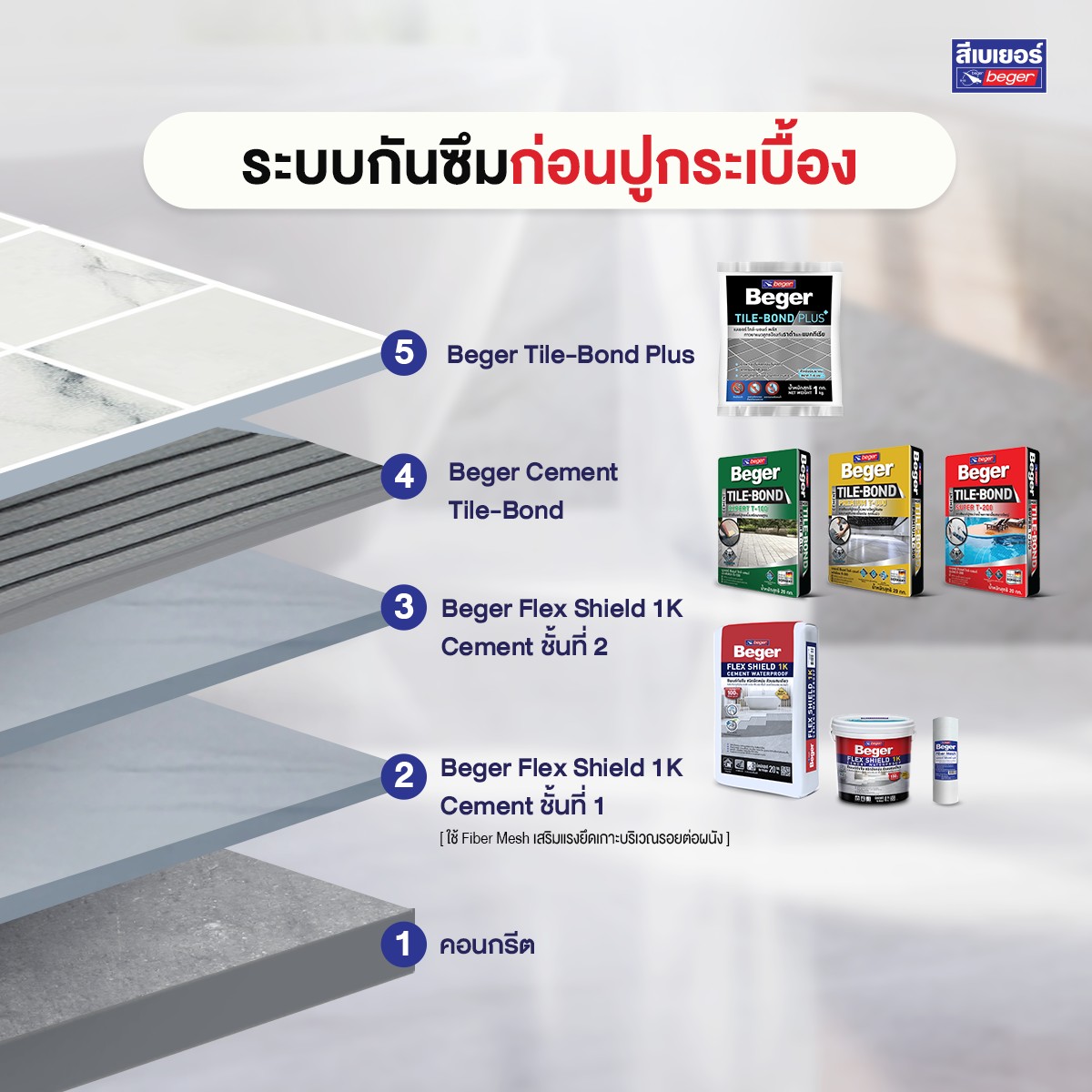
In the case of a new house, apply waterproof cement before tiling, ensuring the floor is clean and free from dust and grease.
-
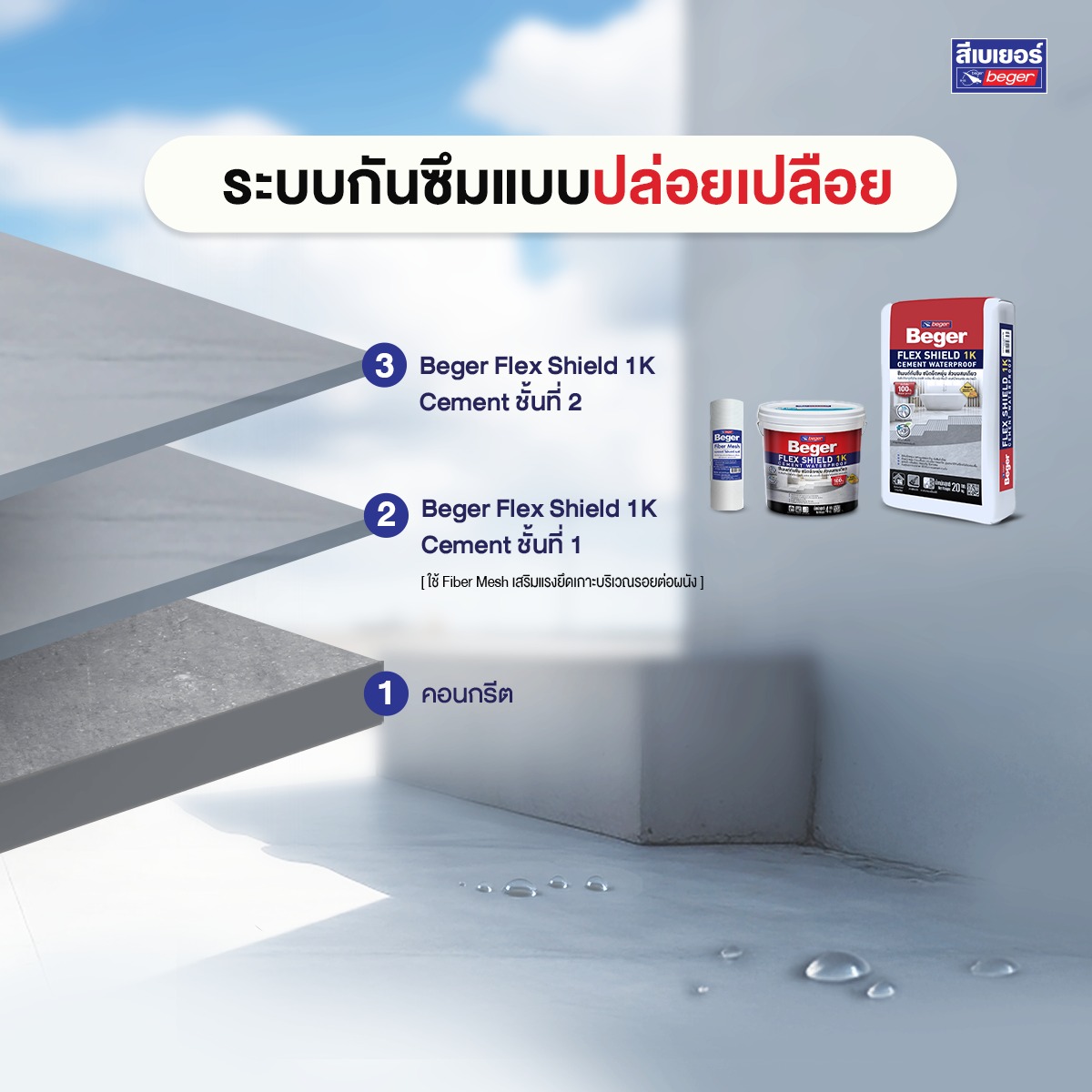
Apply waterproof cement over the entire floor and raise the edges as a cornice on the surrounding walls at least (5-10 cm high) in 2 coats, with the second coat applied in the opposite direction of the first. Focus on corners and joints around the connection points of the sanitary pipes with the structure.
-
Leave it to dry. After application, the surface should be protected from water for 3 days: If you wish to tile over the surface, it should be allowed to dry for at least 3 days before laying new tiles.
Case 2: Old bathroom with blistering walls, peeling paint, and mold.
In the case of an old house with issues, remove the old tiles. This often occurs due to water seeping through the floor and wall corners from the inside. A sustainable solution must involve waterproofing from the “source of water inside the bathroom,” not just repainting the exterior walls.
Note: Beyer’s waterproof cement can be applied over existing tiles, but this method will raise the bathroom floor level by 2-3 cm, which may affect the level of the floor drain, the height of the sanitary ware, and the opening of the bathroom door, so adjustments must be made accordingly.
How to choose waterproof cement for bathrooms to ensure no need for repairs later.
Essential properties:
- It should be a type of waterproof cement that adheres well and is highly flexible.
- Suitable for both floors and walls, for new bathrooms (during construction) and existing bathrooms that have already encountered problems (either by removing the tiles first or applying over the existing tiles).
- Supports tiling over it (to be used with Beyer adhesive mortar).
- Passed actual waterproof testing.
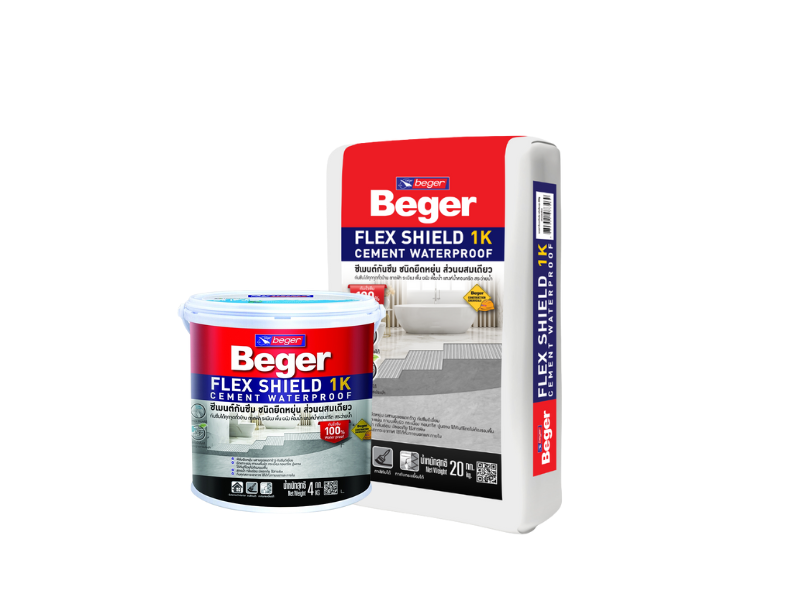
In this category, Beyer waterproof cement is one of the widely used options for bathrooms, balconies, swimming pools, and fish ponds or various water storage tanks (should have a cover material if used outdoors) in both residential homes and construction projects.
Beyer waterproof cement is designed to
- be easy to use and convenient.
- Provides a strong adhesive film layer, reducing the risk of long-term water seepage.
- Suitable for wet areas, especially bathrooms, balconies, and washing areas (with covering materials).
Choosing the right product from the start can significantly reduce future repair costs.
|
|
|
Summary: Investing in waterproof cement for bathrooms only once can prevent problems for a long time.
Water leakage in bathrooms is not a trivial matter and often arises from neglecting the waterproofing system from the beginning. Choosing the appropriate waterproof cement and installing it correctly is crucial for a long-lasting bathroom that does not require repeated repairs. If you are planning to build or renovate a bathroom, using high-quality waterproof cement, such as Beyer’s waterproof cement product line, is another option that helps ensure professional completion of the work.
Recommended products
|
|
|
FAQ Frequently Asked Questions about Bathroom Waterproofing Cement
Q1: Is bathroom waterproofing cement necessary?
A1: It is necessary because tiles and grout cannot prevent water 100%. Waterproofing cement helps prevent water from seeping into the concrete structure, reducing issues such as leaks, wall swelling, and mold in the long term.
Q2: What problems can arise from a bathroom that is not waterproofed?
A2: Common problems include water seeping down to lower floors, peeling paint, swollen walls, and the need to remove and repair tiles. Applying waterproofing cement from the start can significantly reduce future costs and damage.
Q3: How many coats of waterproofing cement should be applied for effective results?
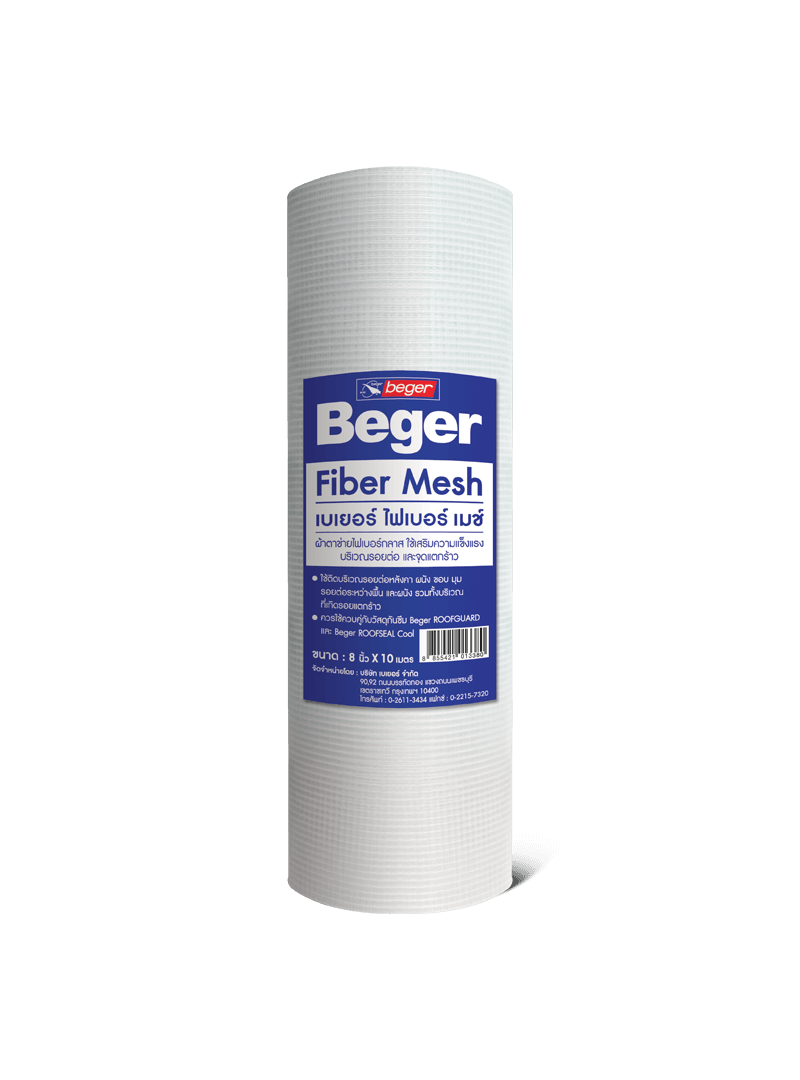
A3: At least 2 coats should be applied to achieve a complete waterproof layer, with special attention to the corners where the floor meets the walls, around pipes, and the shower area, using fiber mesh or fiberglass mesh from Beger as well.
Q4: What type of waterproofing cement is most suitable for bathrooms?
A4: You should choose flexible waterproofing cement that accommodates structural movement and can be tiled over. Beger’s waterproofing cement is specifically designed for wet areas, making it suitable for both bathroom floors and walls.