
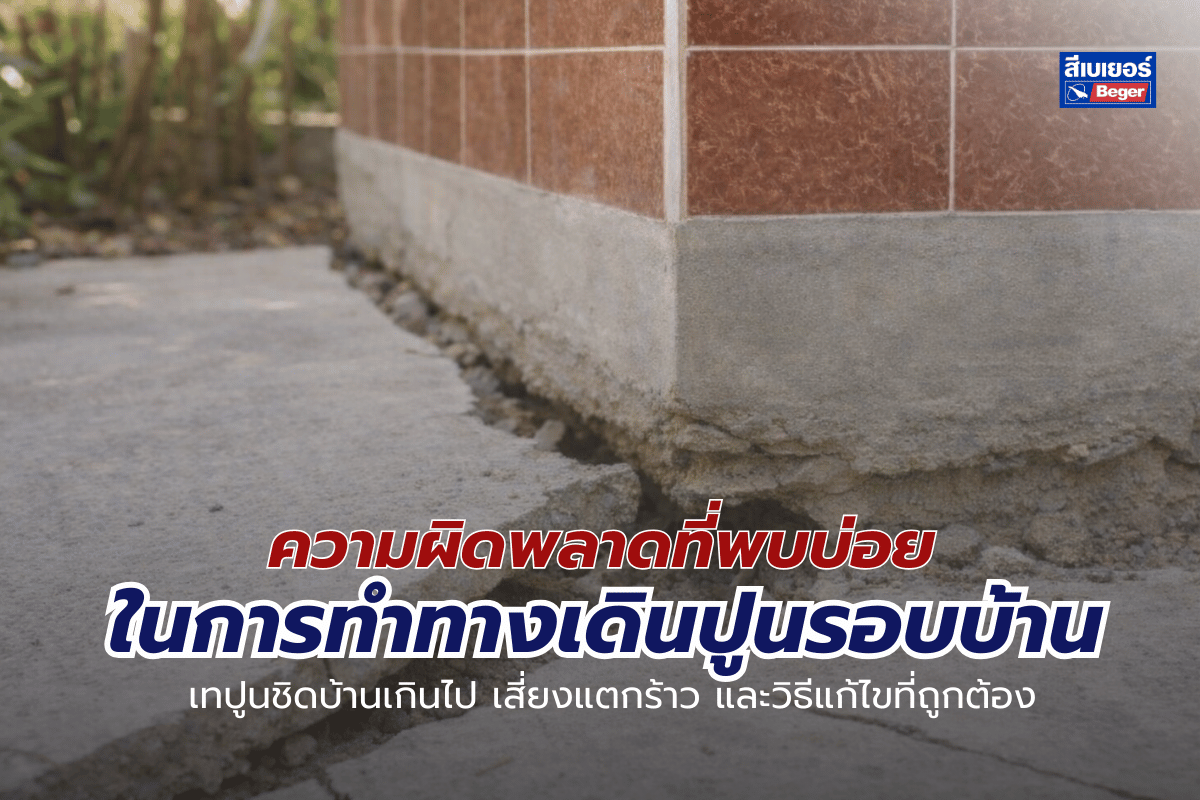
Making a concrete walkway around the house is a task that many people consider uncomplicated. However, in reality, small details such as “the distance from the house” are crucial factors that affect the longevity of both the walkway and the house’s structure in the long term. If done incorrectly from the start, it can lead to issues like cracked concrete, wall cracks, or even water seeping into the house without notice. One of the most common mistakes is pouring the concrete walkway too close to or against the house, which is the starting point for many problems that often appear after living there for several years.
Why the concrete walkway around the house “should not” be poured against the house
|
|
|
|
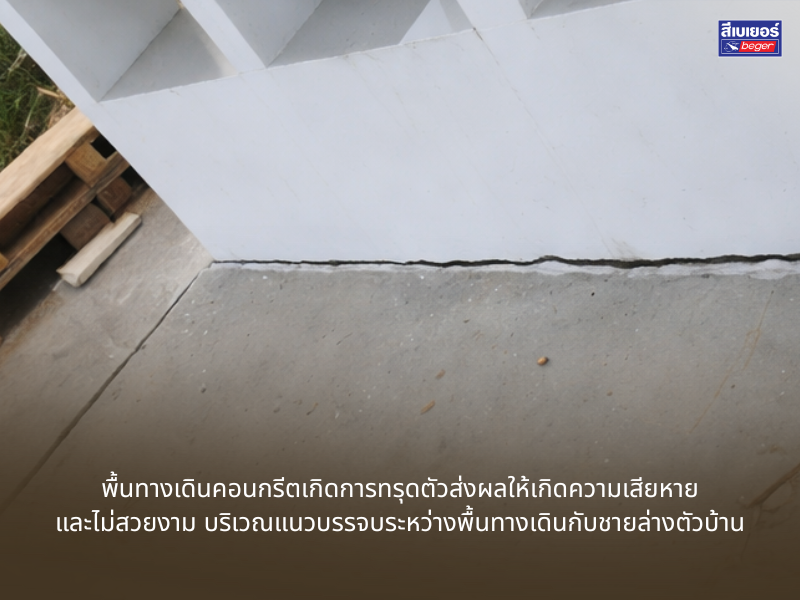
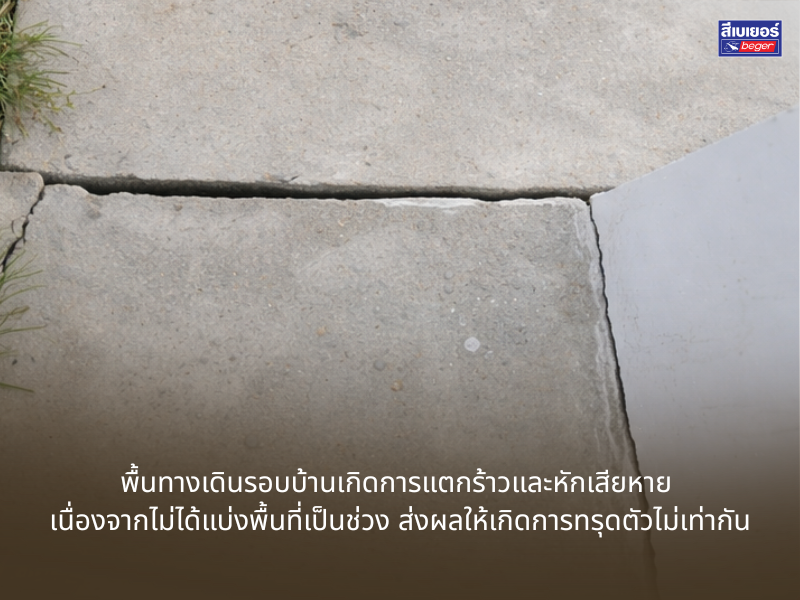
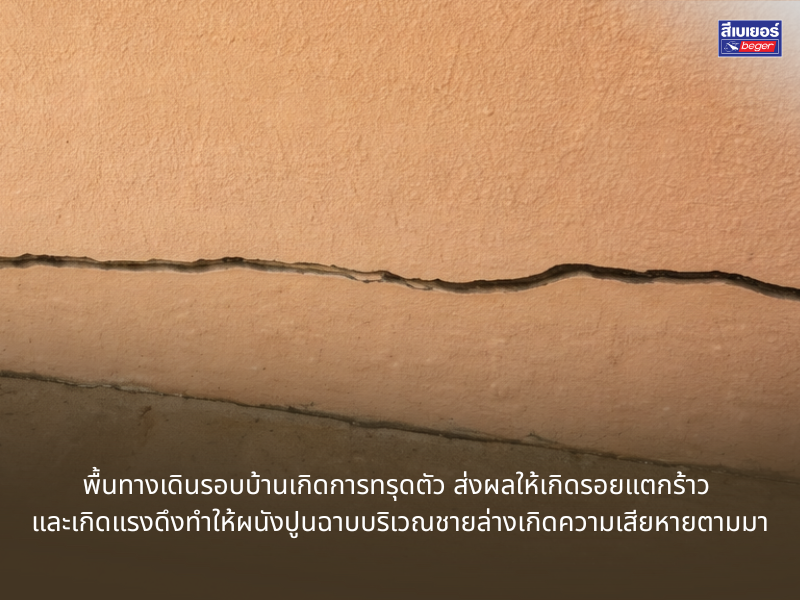
Structurally, the house and the concrete walkway are considered separate components. Even though they are adjacent, they settle differently due to differing foundation structures; the house typically has a deep pile foundation while the concrete around the house is often poured on compacted soil (in some cases, short piles may be used). When the concrete walkway is poured right against the house wall without a joint to accommodate movement, any slight settling or shifting from the differing structures will create accumulated tension at the connection point.
The consequences often begin with the lower plaster of the house being pulled down, leading to cracks and eventual detachment. This starts with small cracks before spreading into
- longitudinal cracks in the walkway
- cracks in the wall at the base
- rainwater seeping into the joints
- accumulated moisture causing the wall paint to deteriorate faster
These problems may not be immediately visible but will gradually become clearer over time, and the cost of repairs will be many times higher than preventing them from the start.
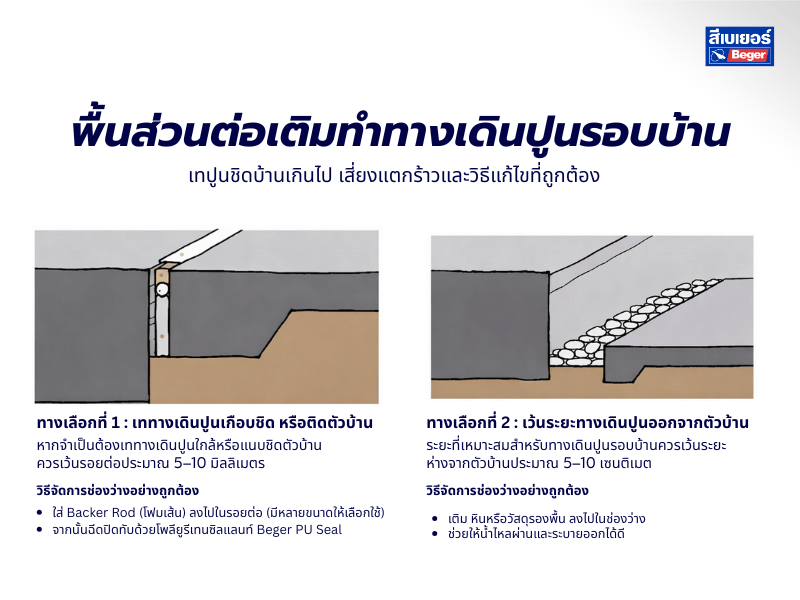
Option 1: Pour the concrete walkway almost against or touching the house
In many cases, contractors or homeowners may choose to pour the concrete as close to the wall as possible for neatness or aesthetics. However, from a construction perspective, this is a risky point because there is no space for the structure to move naturally.
The correct and practical solution
If it is necessary to pour the concrete walkway close to or against the house, it should leave a joint of about 5–10 millimeters and manage the joint appropriately by using materials that can accommodate movement well.
A common approach used by professional contractors is to
- insert Backer Rod (foam rod) into the joint (available in various sizes)
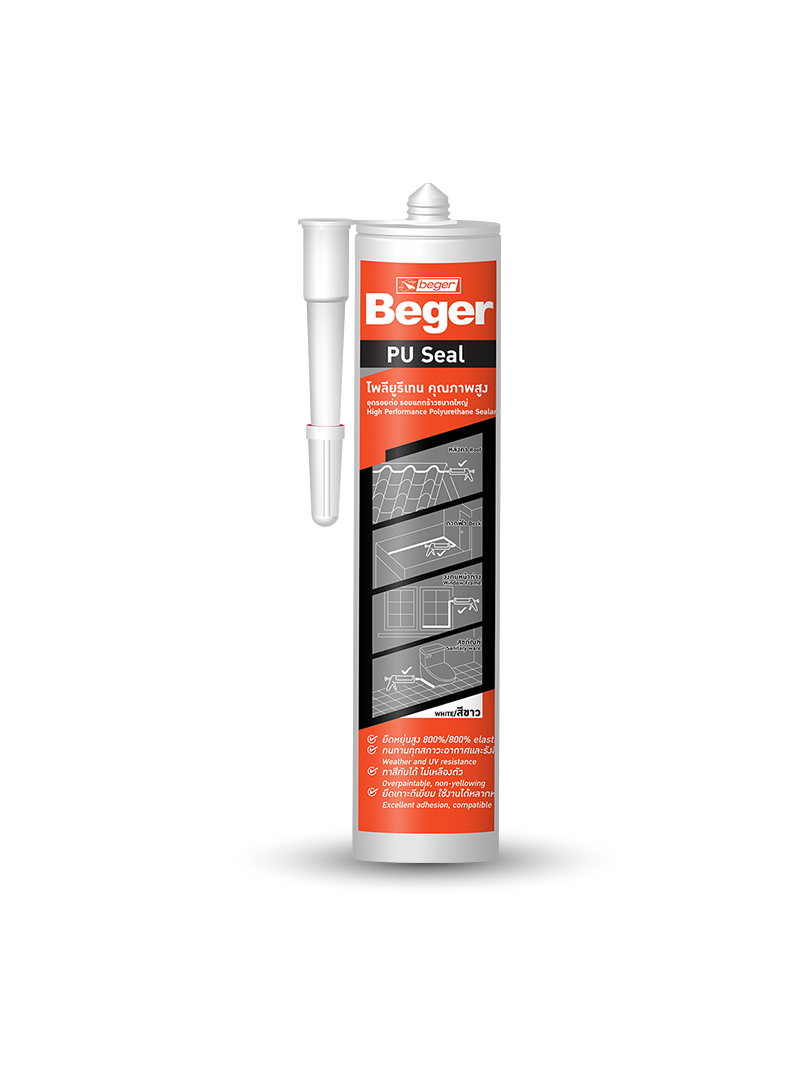
- and then seal it with polyurethane sealant Beger PU Seal
Beger PU Seal is a joint sealing material that adheres well, has high flexibility, can accommodate the expansion and contraction of materials effectively, helps prevent water seepage, and does not crack easily when used outdoors. It is particularly suitable for the joint between the concrete walkway and the house wall. Using Backer Rod together with PU Seal will help control the depth of the joint, allowing the sealing material to work at full efficiency and extend its lifespan.
Option 2: Leave a gap for the concrete walkway from the house
Another common mistake is pouring concrete against the house wall without any gap, which directly affects both the structure and the drainage system around the house. The appropriate distance for the concrete walkway around the house should be about 5–10 centimeters away from the house. This gap is not left empty but serves an important function in accommodating movement and managing rainwater.
How to properly manage the gap
- Fill with stones or base materials into the gap
- to help water flow through and drain effectively.
- Reduce moisture accumulation at the base of the wall.
- Reduce pressure from soil settlement in the long term.
Tips from professional craftsmen to ensure the concrete walkway lasts long:
- Design expansion joints from the planning stage.
- Choose flexible and weather-resistant joint sealing materials.
- Check the slope of the walkway to drain water away from the house.
- Use quality materials at every stage because the work around the house is the first line of defense for the structure.
Beger emphasizes these details because a strong house does not start only from the main structure but begins from the properly executed work around the house from the start.
In the case of tiling the walkway around the house, one should consider the joints and the movement of the structure.
In many cases, the concrete walkway around the house is not just bare concrete but has tiles laid to enhance beauty and convenience of use. If inappropriate materials or installation methods are chosen, issues such as cracking or detachment may also arise, whether it is the case of Option 1 (pouring the concrete walkway almost touching or against the house) or Option 2 (Leave a gap from the house) The main principle remains the same: it must accommodate the movement of the structure and reduce accumulated tension at the joints.
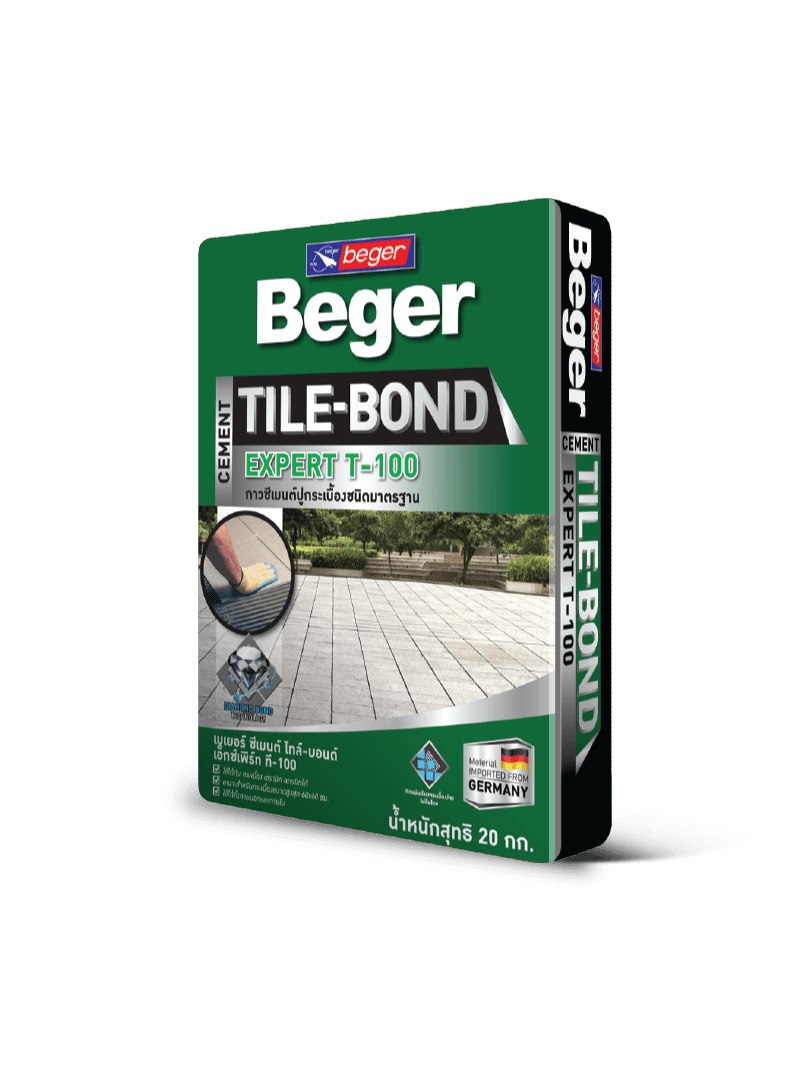
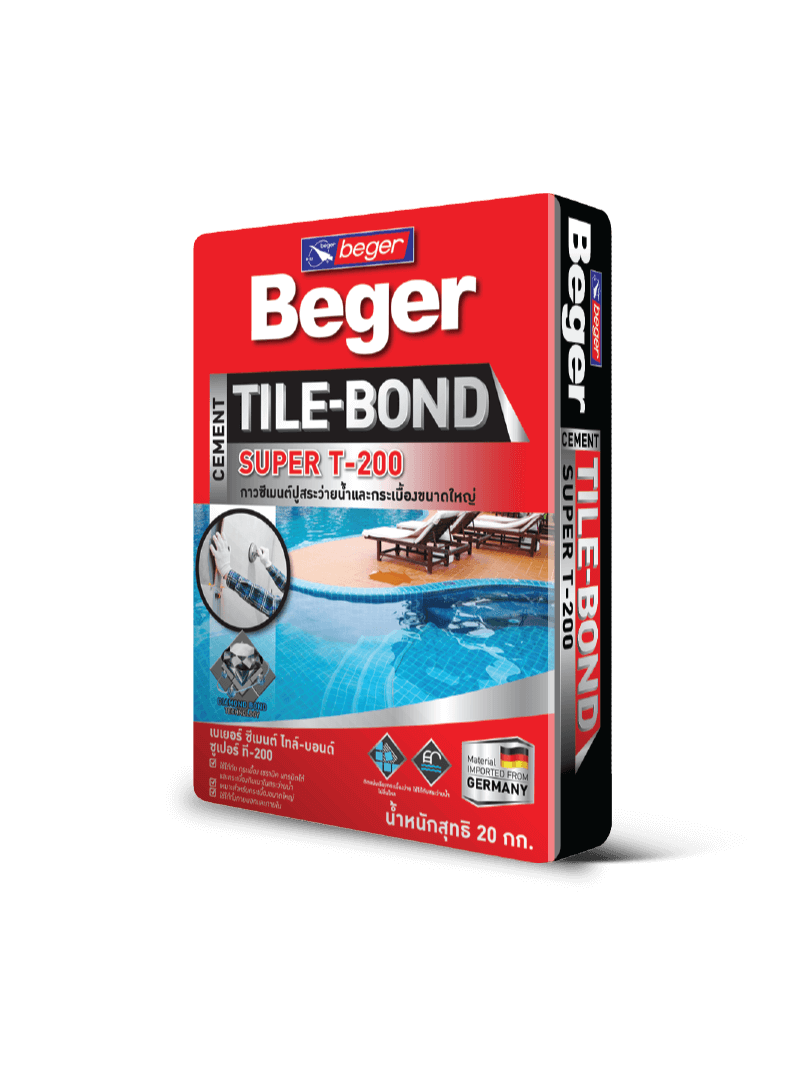
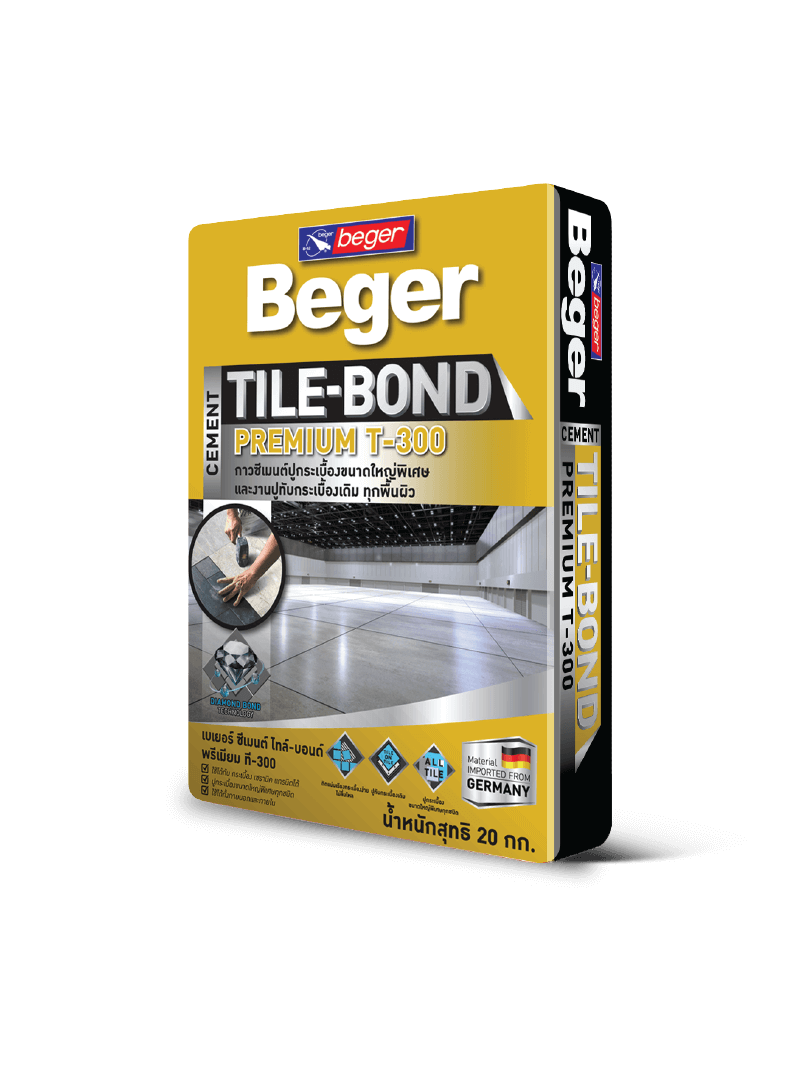
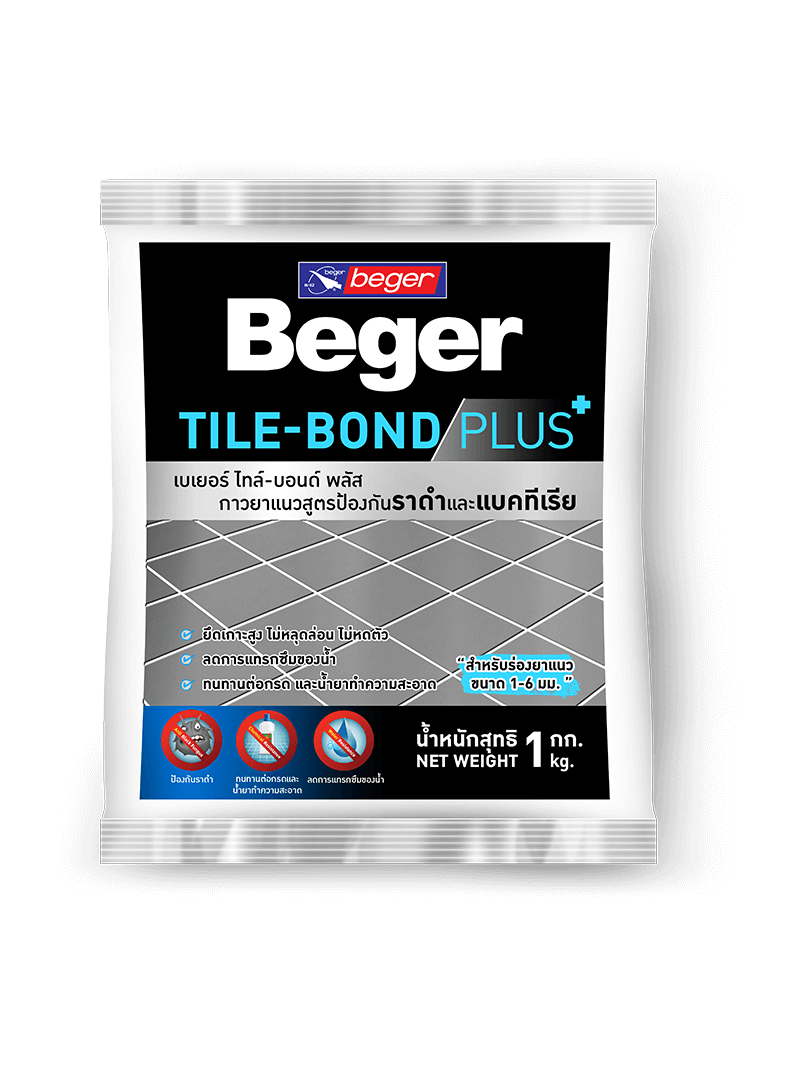
For paving the walkway around the house, it is recommended to use high-quality cement adhesive for outdoor work such as Beger T-100, T-200, or T-300 to ensure good adhesion, support weight, and withstand outdoor weather conditions. Additionally, use Beger Tile-Bond Plus grout to help reduce water penetration and increase the strength of the tile joints. However, at the junction between the walkway and the house wall (in the case of option 1) general grout should not be used, as this is a point with different levels of movement. Instead, use Beger PU Seal polyurethane sealant to accommodate expansion and contraction, reduce cracking, and effectively prevent water from seeping into the house walls.
Moreover, if the walkway around the house is continuous and long, it is advisable to divide the walkway into sections or blocks with each section not exceeding 4–5 meters and leave a gap of about 5 millimeters and seal the joints with Beger PU Seal instead of regular grout. This method will help reduce accumulated tension from soil settlement and extend the lifespan of both the walkway and the tiles in the long term.
Summary
A good concrete walkway around the house should not be poured directly against the house; there should be some spacing to help reduce issues with cracking, water seepage, and clearly extend the lifespan of both the walkway and the house. Proper prevention starting today means reducing future repair costs. In cases where the walkway around the house is very long, it should be divided into sections to reduce cracking or breaking (the distance of division should not exceed 4 – 6 meters), and the gaps between the walkway should also be sealed with
Beger PU Seal
Recommended Products
|
|
|
|
|
|
FAQ Frequently Asked Questions about making concrete walkways around the house.
Q1 : How many centimeters should the concrete walkway around the house be from the house?
A1 : Option 1: A gap of about 5–10 millimeters should be left, and the joint should be treated with Beger PU Seal. Option 2: A distance of about 5–10 centimeters should be maintained from the house, and gravel should be used to fill that gap.
Q2 : Is Beger PU Seal suitable for outdoor use?
A2 : It is suitable for outdoor use as it provides good adhesion, has high flexibility, withstands weather conditions, and accommodates structural movement well.