

Homeowners all want to choose safe paint colors and building materials for the health of both users and residents. In addition to hazardous substances such as lead and mercury that should be avoided, another thing that should not be overlooked is VOCs or volatile organic compounds, which, although not legally prohibited, can pose dangers to health and the environment if present in large quantities.
What are VOCs in paint?
VOCs (Volatile Organic Compounds) are a group of organic compounds that consist of carbon and hydrogen along with other substances such as oxygen, fluorine, chlorine, bromine, sulfur, and nitrogen, which easily evaporate into gas at room temperature but decompose slowly and can remain in the air for a long time.
Generally, VOCs are one of the air pollutants that originate from both natural sources (such as wildfires) and human activities (such as burning fuels, oil, coal, natural gas, as well as industrial processes). They are also found in everyday products such as cleaning agents, dry cleaning solvents, inks, hair dyes, bleach, pesticides, automotive paints, and building paints and construction materials.
Examples of VOCs used in the paint and construction industry include
- formaldehyde (Formaldehyde)
- toluene (Toluene)
- xylene (Xylene)
- Naphthalene (Naphthalene)
- Acetone (Acetone)
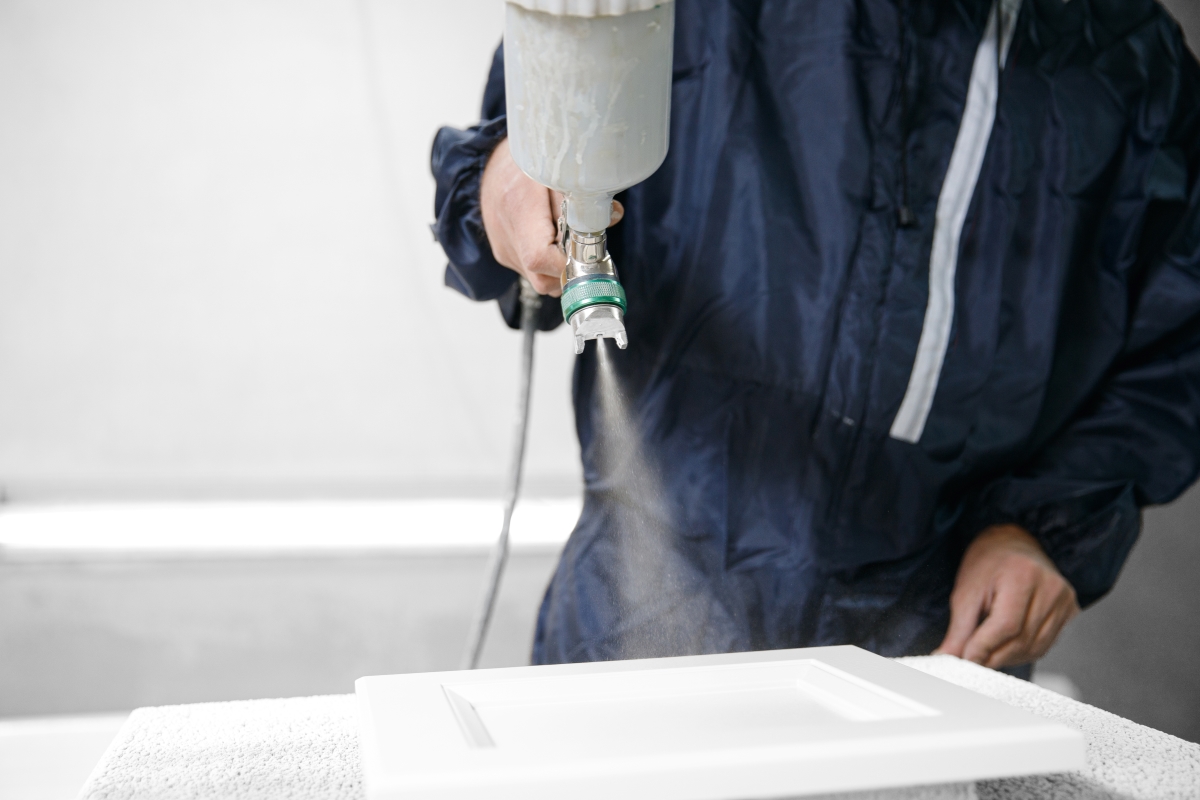
VOCs and Health Hazards You Should Know
In addition to disrupting the balance of the environment, VOCs also directly affect human health, as they can enter the body through inhalation, ingestion, and dermal contact
Symptoms that may occur from exposure to VOCs include
- irritation of the eyes, nose, and throat
- skin rashes or itching
- headaches, dizziness, feeling faint
- nausea, vomiting, fatigue
- difficulty breathing or respiratory issues
The most concerning is ingesting paint, especially oil-based paints, as they can cause severe harm to the body. Additionally, long-term accumulation of VOCs increases the risk to the nervous system, liver, and kidneys

How to Choose Paint Safely from VOCs
When selecting house paint, one should not only consider the color tone or aesthetics but also check if it is low VOCs paint, which can be found on the product label or by consulting with experts. Especially for interior paint which is closest to the residents. Even VOC-free paints can still pose health risks if inhaled frequently, come into direct contact with the skin, or are ingested. Therefore, it is advisable to wear protective gear such as masks, gloves, and goggles, and to block off areas to keep children and pets away during painting.
Beger interior house paint, a low VOC option, safe for everyone in the home.
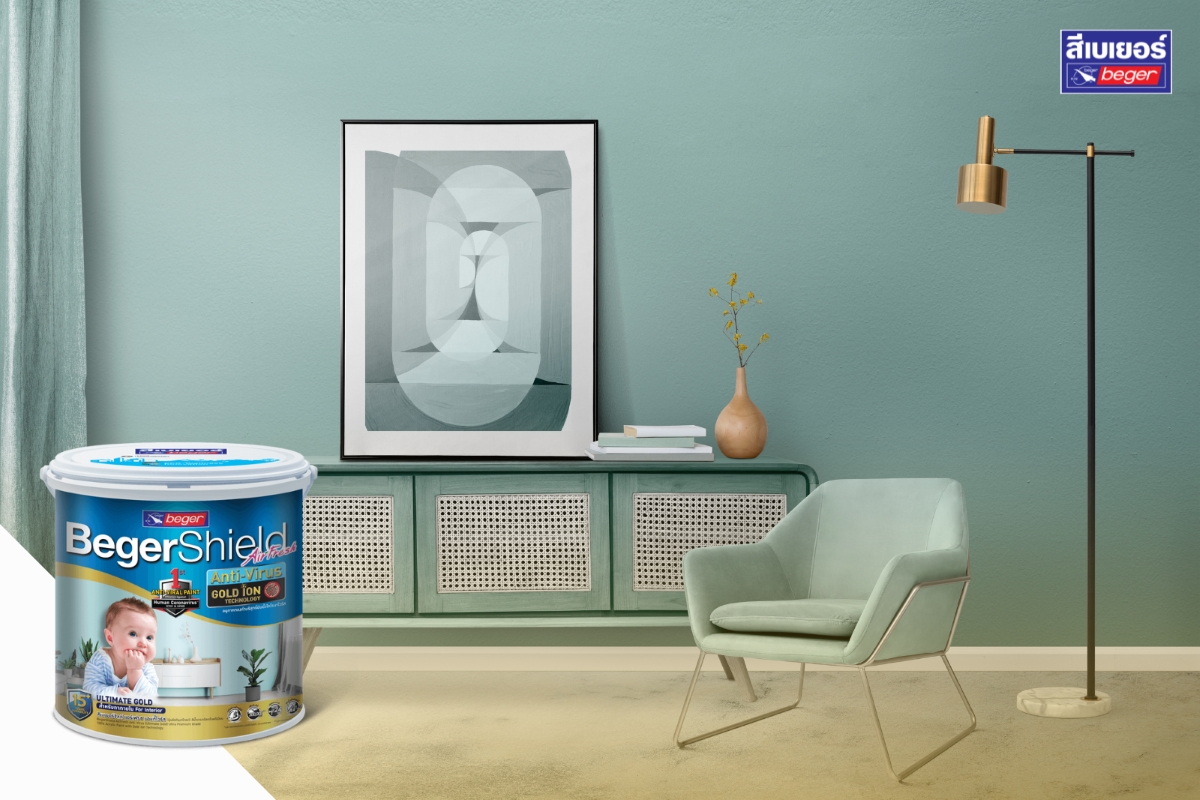
When it comes to paints with the lowest VOCs that are health-safe and widely accepted by many mothers and children, it must be BegerShield AirFresh Gold Ion water-based interior paint with a mild scent, no added fragrances, Low VOCs, free from mercury, lead, carcinogenic formaldehyde, and harmful volatile substances. It can be occupied within 5 minutes, guaranteed by leading environmental certifications such as LEED V4.1 and WELL v.2.
Equipped with the Gold Ion Technology the first and only in the interior paint industry that helps inhibit 99.9%* of viruses, fungi, and bacteria on walls, such as Covid-19, hand-foot-mouth virus, or influenza. Suitable for everyone including mothers, children, the elderly, allergy sufferers, and even pets, certified by global health institutions.
The combination of these technologies and special properties gives residents confidence in safety, while ensuring the home remains beautiful, clean, and truly durable.
- Ultra-premium interior house paint with a color film that lasts over 15 years+.
- Purifies the air 24 hours a day, reducing the risk of allergies and respiratory diseases.
- Easy to clean, withstands over 400,000 wipes**.
- Prevents stains from pollution and dust accumulation that cause the color film to dull.
*Test results by health institutions such as BIOSCIENCE in the United States, Virology Institute in the United Kingdom, SGS Laboratory Services in Switzerland, as well as laboratory test results for bacteria and viruses according to standards from government agencies.
** Test results from Beger laboratories. View all test results and certifications here.

Choosing to use low VOC house paint not only helps reduce health risks but also makes the home more livable, safe, and environmentally friendly. If anyone is building a house, renovating, or looking for safe interior paint for everyone in the family, always check the VOC levels on the product label.
FAQ Frequently Asked Questions about VOCs and house paint.
Q1: What are VOCs?
A: VOCs (Volatile Organic Compounds) are volatile organic compounds that can evaporate into gas at room temperature. They are commonly found in house paints, building materials, and certain chemical products.
Q2: Why are VOCs dangerous?
A: Because VOCs can enter the body through inhalation, ingestion, or skin contact, leading to irritation of the eyes, nose, and skin, headaches, difficulty breathing, and may accumulate to affect the nervous system, liver, and kidneys in the long term.
Q3: How can you tell if house paint has high or low VOCs?
A: You can check from the product label or certifications from the manufacturer which typically indicate whether it is Low VOCs or VOCs-free and has environmental standard certification marks.
Q4: What type of paint should I choose if I want to avoid VOCs?
A: You should choose water-based paint especially interior paints that specify Low VOCs or free from mercury, lead and formaldehyde such as BegerShield AirFresh Gold Ion which is certified by a global institution.
Q5: Are children and pets more at risk from VOCs than adults?
A: Yes, young children, the elderly, and pets have lower immunity, making them more susceptible to the effects of VOCs, such as allergies, respiratory issues, or skin reactions.
Q6: How long should I wait to move in after painting the house?
A: It depends on the type of paint. If it is Low VOCs water-based paint like BegerShield AirFresh Gold Ion, you can move in after just 5 minutes. However, if it is high VOCs paint, you should wait at least 2-3 days and open the windows for ventilation before moving in.