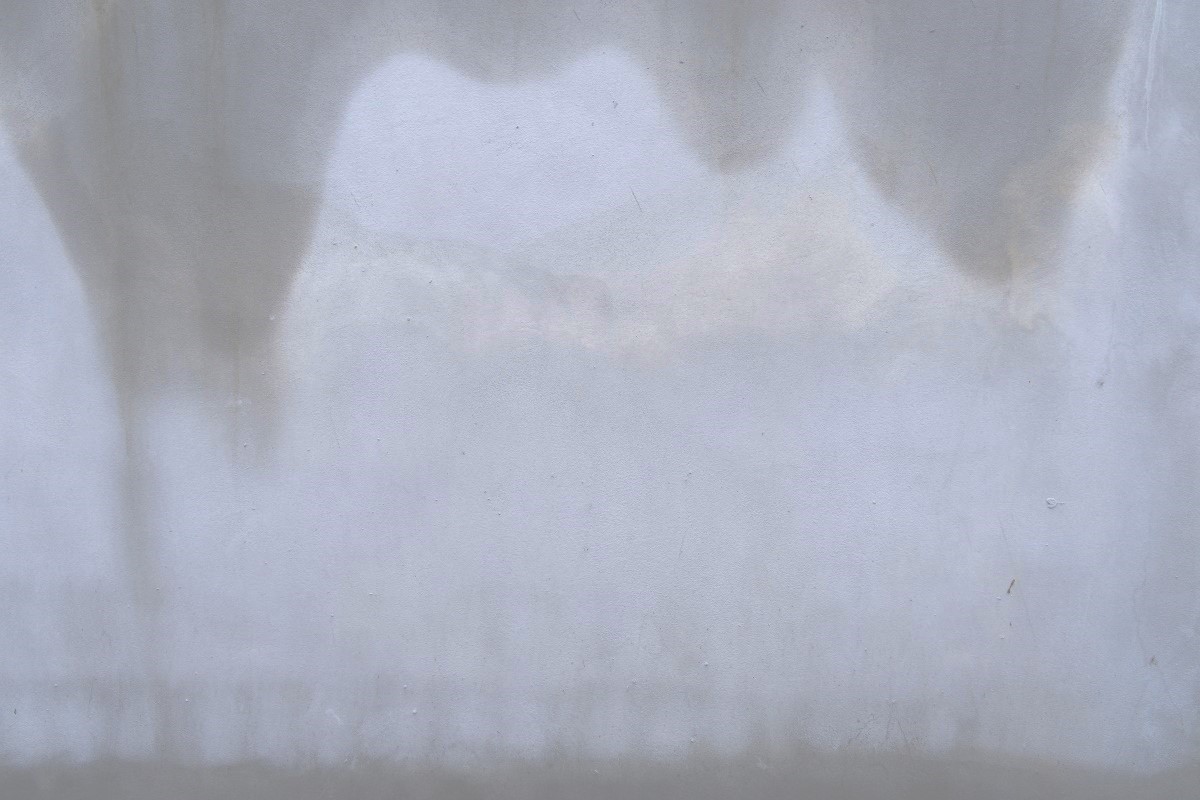
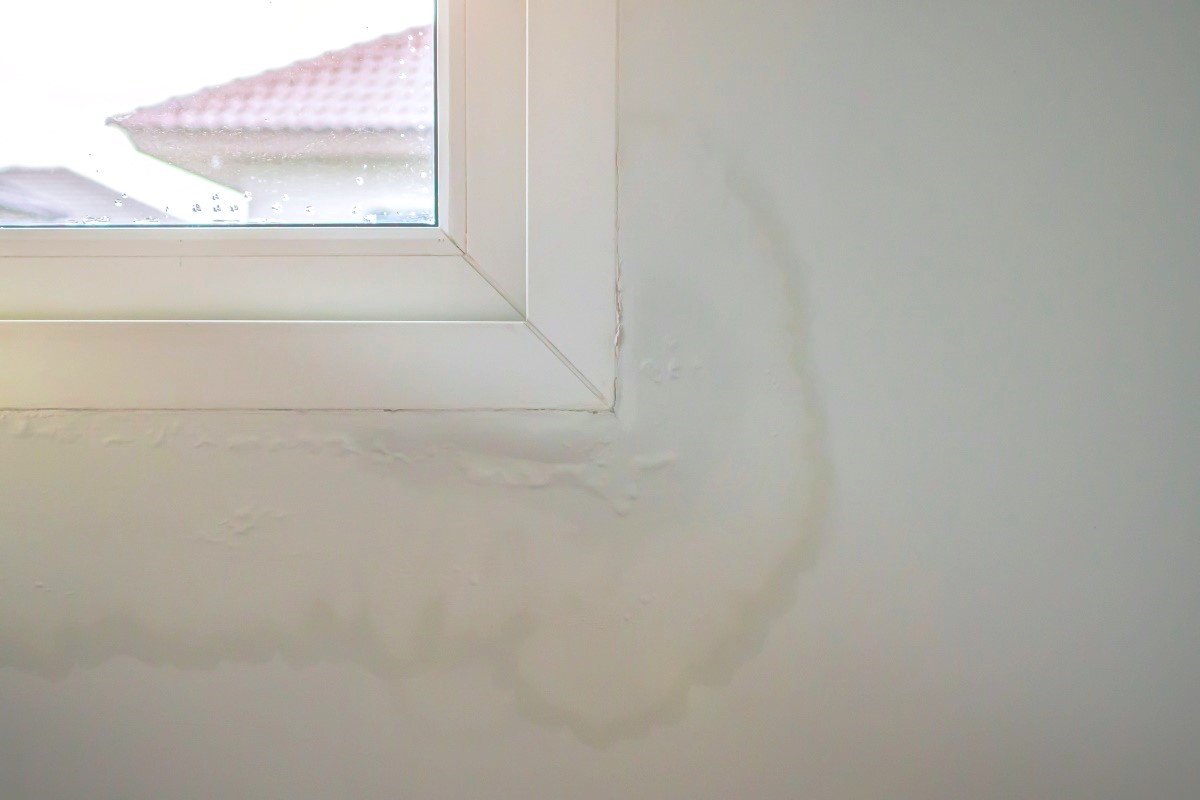
Moisture Problems in Walls is another common issue found in homes, especially during the rainy season. It is often observed as water stains in circles or moisture marks on the surface of the walls. This problem usually originates from cracks in the walls, ceilings, or around doors and windows, allowing moisture or rainwater to seep and accumulate within the walls. When accumulated for a long time, it can lead to various issues such as peeling paint, flaking, or the growth of mold and mildew, which not only affects the aesthetics of the home but can also be harmful to the health of the residents.
Causes of Moisture Problems in Walls
Moist walls can arise from several contributing factors, which can be categorized into the following main causes:
- Cracks in the walls, ceilings, or around windows and doors.
- Rainwater splashing onto the walls, especially during the rainy season or in areas without protective eaves.
- Leaking plumbing systems or clogged gutters, causing water to backflow or seep into the walls.
- Using highly porous wall materials, such as clay bricks, washed stones, or natural stones, which easily absorb moisture.
- Low-quality waterproof coatings or paint films that have deteriorated over time.
- Poor ventilation inside the house causing air to stagnate and moisture to accumulate easily.
Professional Solutions for Moisture Problems in Walls
If you find that your walls are starting to show moisture or paint blisters, you should take immediate action to resolve the issue following these guidelines:
1. Scrape off the blistered or peeling old paint completely with a scraper, and sand the surface again with sandpaper, then clean the surface to ensure it is dry and clean.
2. If you find mold and mildew stains, use a specialized mold killer, such as Beger MouldFree M-001, applying it once and leaving it on for at least 3-4 hours (without rinsing) to prevent mold from recurring in the same area.
3. Seal cracks or leaks with sealant products according to the type of work, such as
- Small cracks: For repairing and filling cracks not exceeding 0.3-2 mm, use Beger Acrylic Filler F-200
- Large cracks: For repairing and filling cracks from 2-10 mm, use Beger Acrylic Sealant F-001 or Beger PU Seal
- Roof or terrace waterproofing system: Use Beger ROOFSEAL Cool together with Beger Fiber Mesh reinforcement mesh
4. Apply moisture-resistant primer with a formula that has high moisture resistance, such as:
- Beger Pro Quick Primer B-1900
- Beger Super Quick Primer B-2100
- Beger Water Block Primer B-3100
Note: (Should apply 1-2 coats depending on the moisture level)
5. Choose a topcoat color suitable for the environment such as:
- Outdoor areas: BegerCool DiamondShield 15 or BegerCool 2in1
- Indoor areas: BegerShield AirFresh Anti-Virus Gold iON apply 2 coats or BegerCool 2in1 Interior Matt
6. In the case of exposed brick walls, bare concrete, or natural stone it is recommended to apply waterproofing with Beger A-100 Water Repellent Gloss for 2-3 coats
Summary
Preventing and solving damp wall problems is not difficult if you understand the causes and choose the right products for the issues. Using fungicide, leak-proof sealant, moisture-resistant primer, and high-quality topcoat paint is key to helping your walls become dry, strong, and aesthetically pleasing in the long term while reducing the risk of potential health problems.