
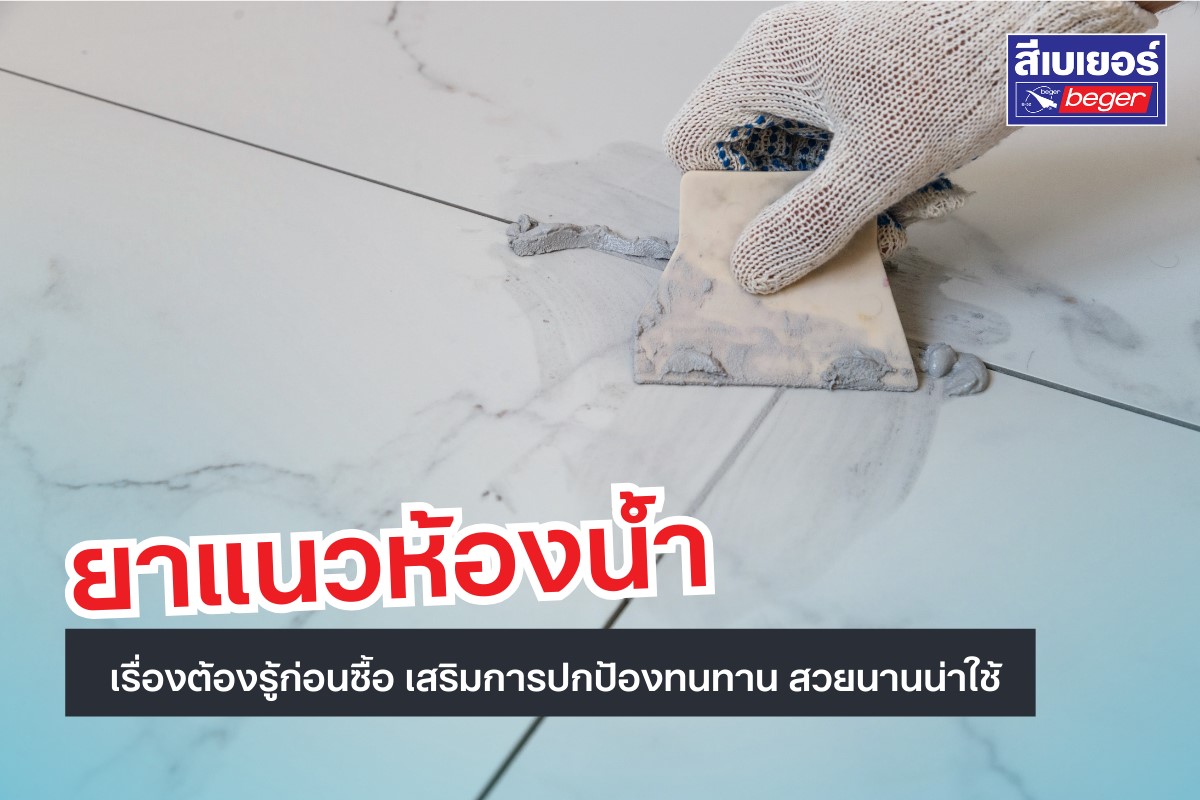
Tile Groutis a product for tile work used during home construction, renovation, and repair. It is not only used by professionals but also by homeowners who are skilled in DIY or want to repair areas in their homes themselves. This article gathers essential information to know before purchasing tile grout, ensuring that the tile work is of high quality, durable, and aesthetically pleasing for a long time.
1. What is tile grout used for?
Grout is a material used to fill the joints between tiles that we use for flooring and walls. It connects each tile, securing them in place. It is resistant to acids and cleaning agents and also prevents issues such as water seepage and the growth of mold in bathrooms, which can lead to home damage.
Some may wonder if powdered grout mixed with water and ready-to-use tube grout or what is commonly referred to as sealant are the same. It should be noted that both grout and sealant can be used to fill joints, but they cannot be used interchangeably as they have different properties suited for different applications, as follows:
- Tile grout is suitable for flooring and wall work both indoors and outdoors, including ceramic tiles, slate, glass blocks, terracotta, granite, and natural stone.
- Tube grout or sealant is suitable for cracks, joints between floors and walls, general filling work, and for installing door and window frames, furniture, sanitary ware, and more.
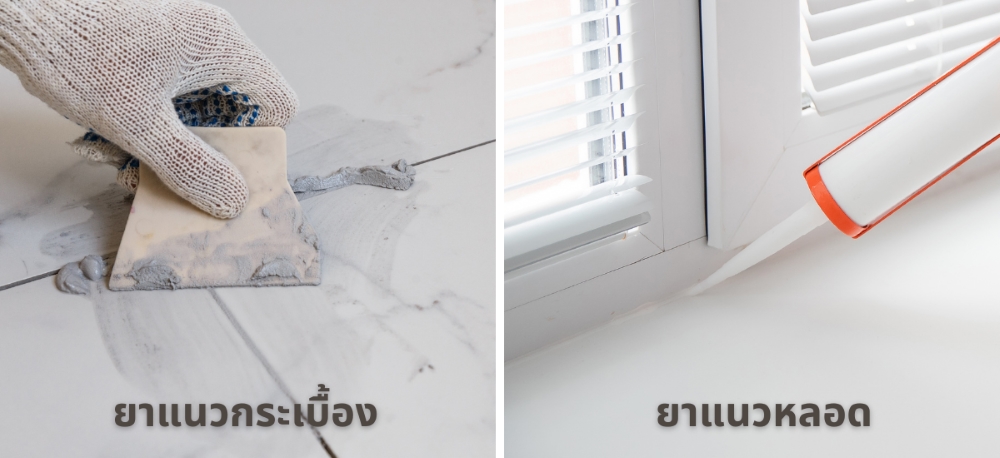
Additionally, if we use tube sealant for tile joints, we may face significantly higher costs and lower protective and durability performance. The bathroom floor may deteriorate quickly, requiring repeated repairs.
2. Why is mold-resistant grout important?
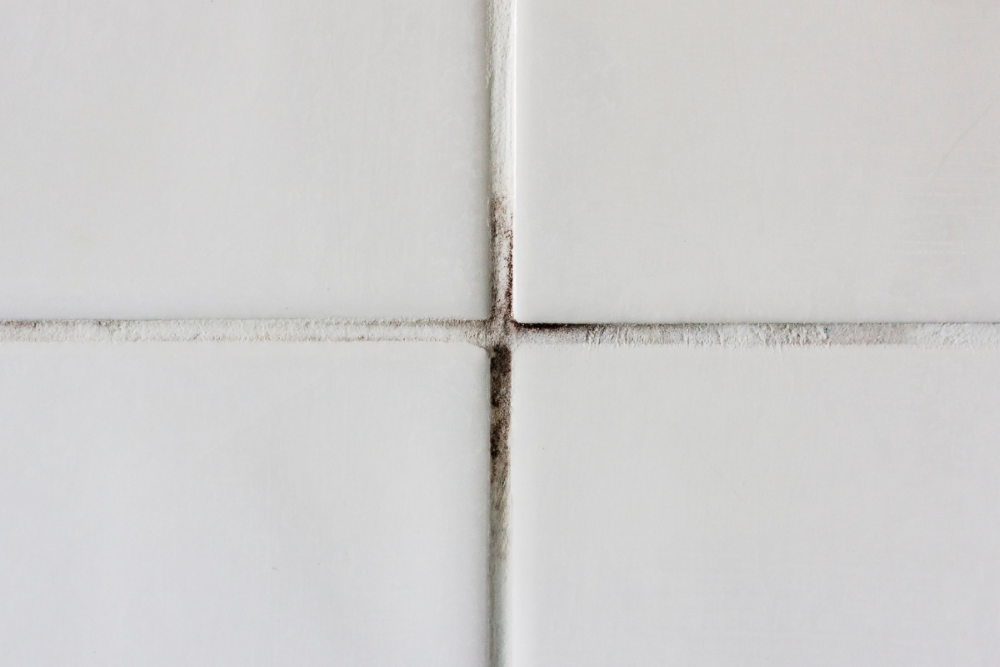
Mold and black mold in bathrooms often occur in areas with high temperatures and humidity, poor ventilation, or lack of sunlight. This not only makes the bathroom look dirty and old with black stains but can also affect our health, especially for those with respiratory conditions. To reduce these issues, grout with mold-resistant properties is essential for bathrooms and kitchens, along with regular bathroom cleaning.
3. Can any grout be used? Is that true?
This idea is not true. Each type of grout has specific properties that differ, developed to suit flooring and wall applications in various areas of the home or specifically for certain areas like bathrooms or kitchens, to provide longer-lasting protection. Choosing the right formula for each area is just as important.
For example, Beger offers grout with high adhesion properties that do not flake or crack, excellent water resistance, and durability against acids and cleaning agents in two formulas, which meet homeowners’ needs well:
- a formula for tile joints in dry areas such as Beger Tile-Bond for joints sized 2-10 millimeters
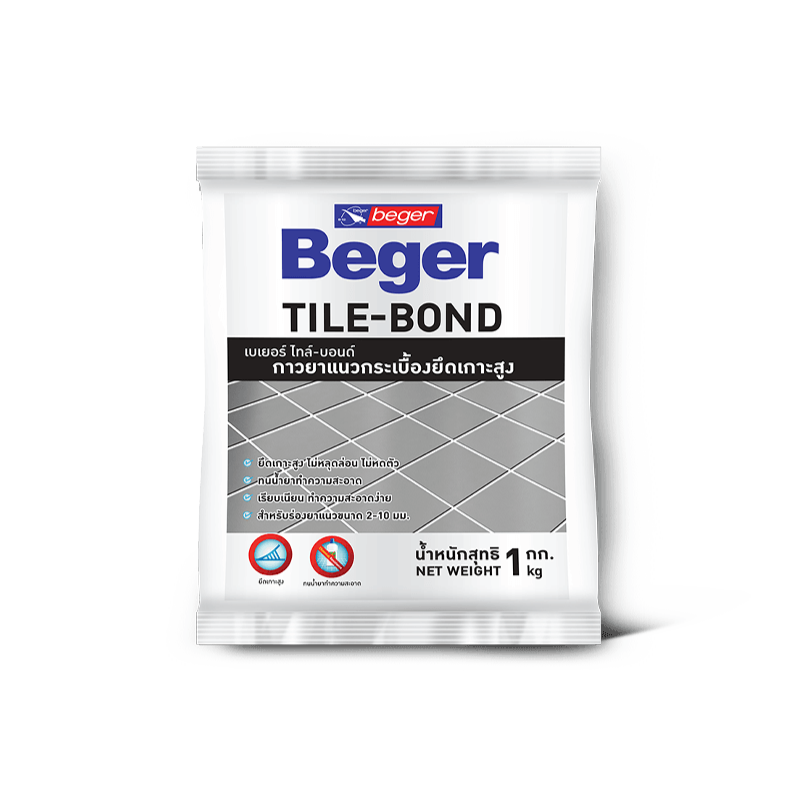
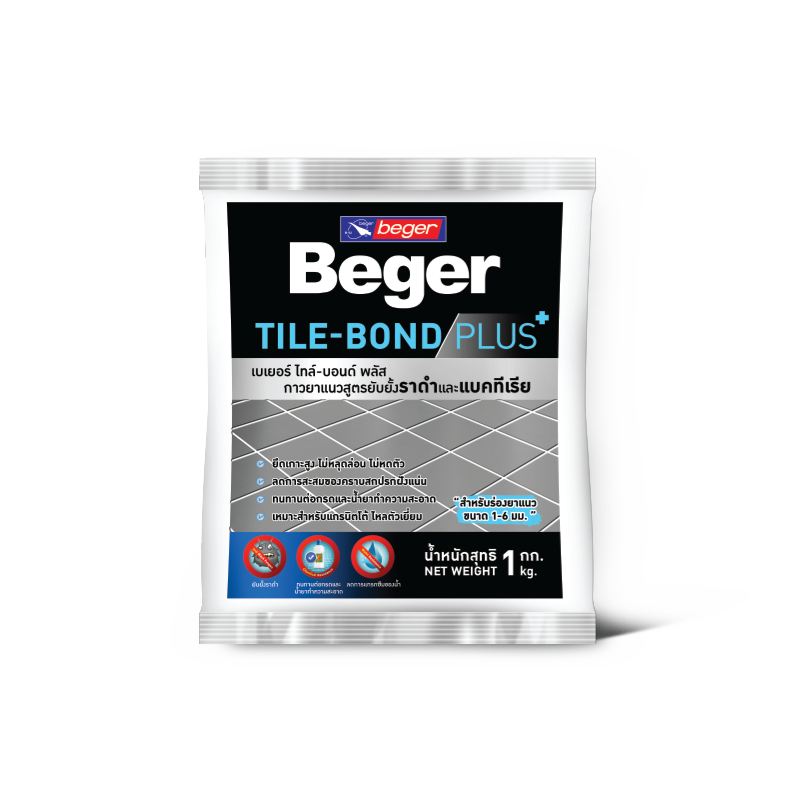
- and a formula that inhibits black mold and bacteria specifically for bathrooms and kitchens, such as Beger Tile-Bond Plus for joints sized 1-6 millimeters, reducing the accumulation of stubborn stains and eliminating worries about mold or black mold in the bathroom.
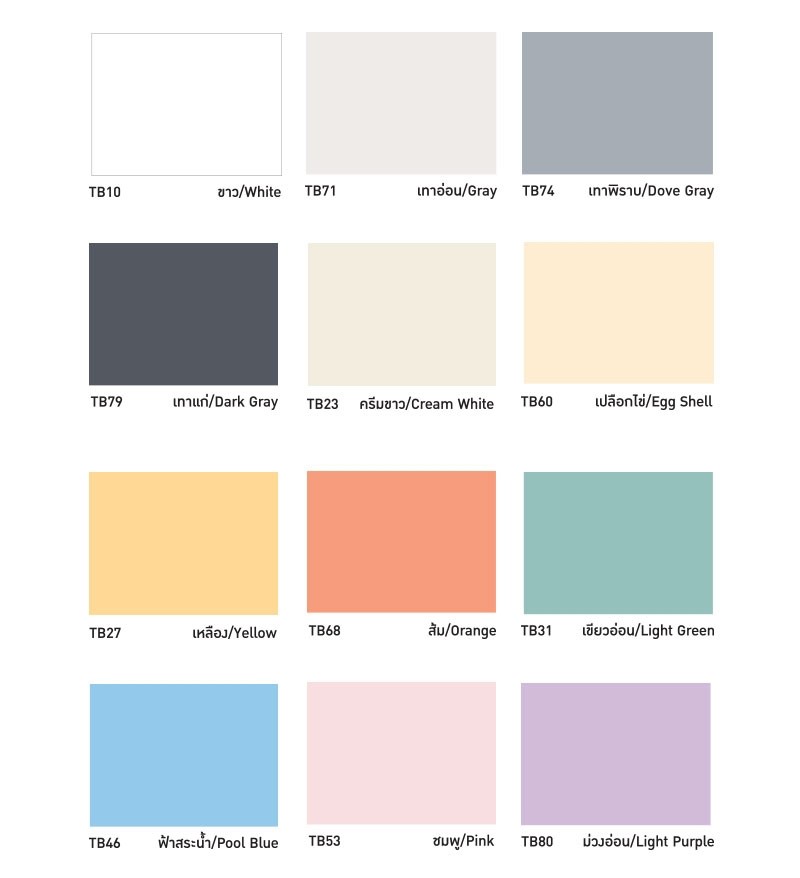
The color shade of grout is also important because some people may not like using purple grout against red tiles, making it look out of harmony with the room’s atmosphere. Therefore, it is advisable to choose grout that offers a wide range of colors to select one that matches our tiles rather than just using any color. Beger grout also offers several shades to choose from.
3 key points that BEGER has selected for everyone are just the main aspects. There are many more details that each household considers important, including limitations, costs, and contractors. However, you can be assured that choosing high-quality grout from the beginning of building your home will help extend its lifespan and enhance the protection of our home for a long time.