Causes and Solutions for Leaking Rooftops
Causes and Solutions for Moisture Issues
Causes and Solutions for Cracked Walls
Causes and Solutions for Mold and Algae
Causes and Solutions for Termites
Buy Products to Solve Rainy Season Home Problems
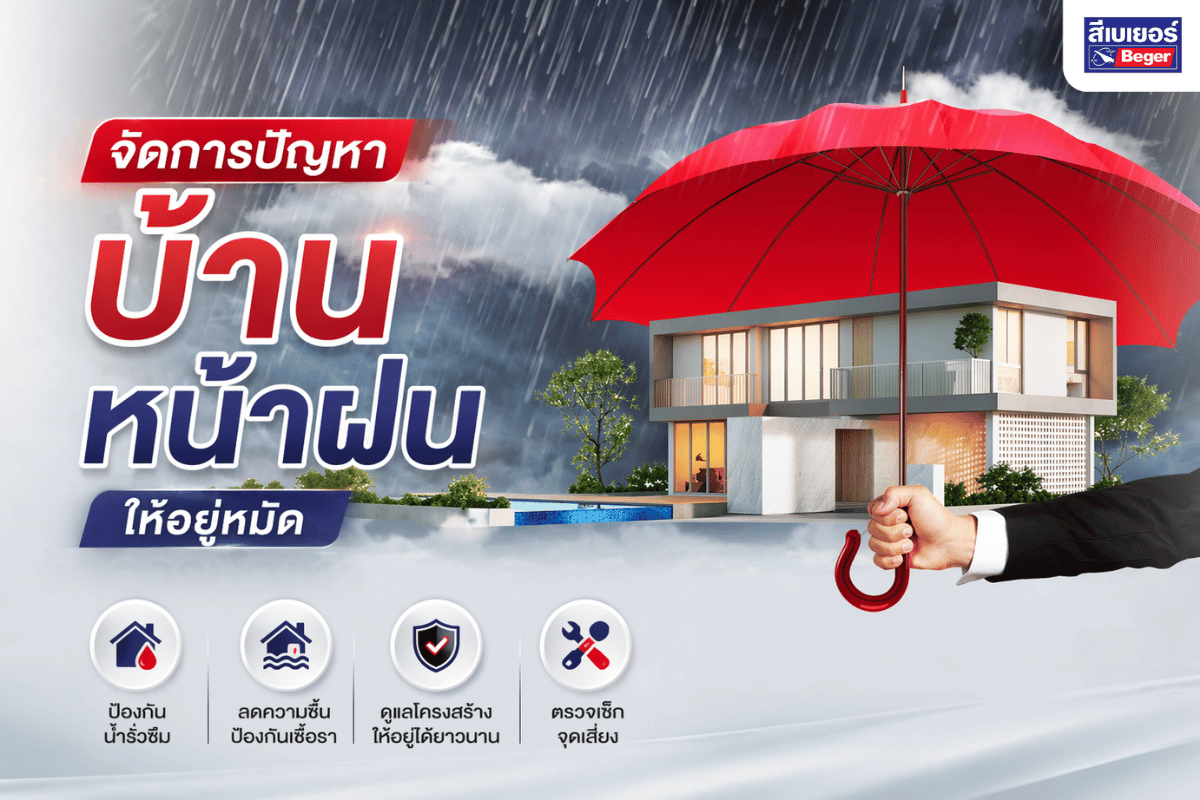
As the rainy season begins, issues related to the house often become apparent, such asleaking roofs, cracked walls, mold, and algaecaused by accumulated moisture, as well as termite problems that tend to thrive in high humidity environments. If left unaddressed, these issues can escalate, causing damage to the structure and increasing repair costs in the long run. The weather during the rainy season in Thailand, which includes heavy rains and continuous humidity, is a significant factor that accelerates the deterioration of materials. Therefore, being prepared and choosing the right prevention methods early on is essential for homeowners. This article compiles comprehensive management strategiesfor rainy season home problemscovering everything from analyzing the causes of the problems to systematic prevention and solutions, based on real working principles in the field, to help ensure that homes are strong, reduce the risk of damage, and be ready to face the rainy season confidently in the long term.
Select the rainy season problem you want
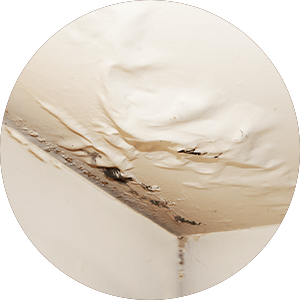
Leaking Rooftops
Moisture
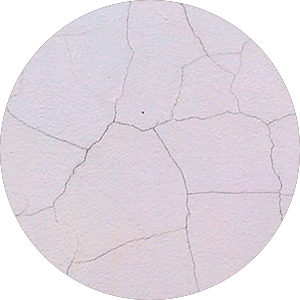
Cracked Walls
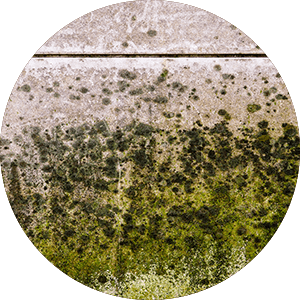
Mold and Algae
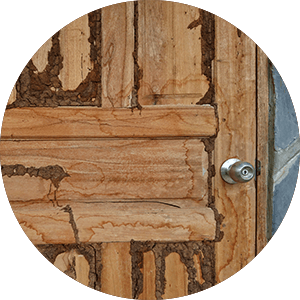
Termites
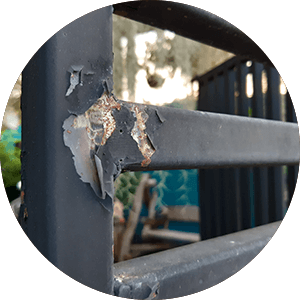
Rust
Leaking Rooftop Problems
Causes
Leaking rooftop and terrace problems can arise from various factors, including structural issues, installation errors, and material deterioration. Common causes include non-standard installations, such as incomplete sealing of joints or screw holes, clogged drainage systems causing water accumulation, and the deterioration of waterproofing materials over prolonged use. Additionally, surface damage, such as cracks, splits, or peeling of the original coating, are all significant factors that allow water to penetrate the building structure.
Check for Initial Signs of Leakage
- There are water stains or damp spots on the ceiling.
- Water seeps through the walls after rain
- Mold, algae, or musty odors are found
- Water accumulates on the rooftop, drainage is insufficient
- Cracks or peeling surfaces are observed
If these symptoms are found, it is important to check and fix them promptly to prevent further damage
Solutions for leaking rooftops
The solution should begin with a proper analysis of the cause and proceed with the following steps
- Check for leaks Inspect areas of cracks, joints, building corners, and drainage points
- Clean the surface Remove dust, dirt, mold, and algae to enhance adhesion
- Repair cracks Seal cracks or joints with appropriate sealant to prevent water seepage
- Improve drainage system (if necessary) Address water accumulation issues to prevent water pressure build-up on the surface
- Apply primer and waterproof paint Apply primer first to enhance adhesion, then apply waterproof paint in at least 2–3 layers and reinforce with fiber mesh in vulnerable areas
Temporary fix vs Long-term solution
- Temporary fix: Seal leaks or apply spot coatings, suitable for small issues
- Long-term solution: Reinstall the waterproofing system across the entire area to effectively prevent recurring leaks
Choosing appropriate waterproofing materials
Selecting quality waterproofing materials suitable for the weather conditions is a key factor in achieving sustainable solutions, such asBeger ROOFSEAL Cool PU HybridIt is a waterproofing innovation for decks and roofs developed specifically to withstand the weather conditions of Thailand, featuring the flexibility of the hybrid polyurethane system that accommodates the expansion and contraction of surfaces, reducing the likelihood of cracks and effectively preventing leaks. Alongside this,the Ceramic Coolinginnovation helps reflect heat, reduce surface temperatures, and decrease heat accumulation within buildings over the long term.
Additionally, it has been enhanced withGraphenetechnology, which has outstanding properties of high strength, reinforcing the durability of the coating film. The small particles can penetrate the surface, helping to fill cracks at the micron level and increasing adhesion efficiency. Furthermore, it has excellent heat resistance, enhancing the durability of the waterproofing system in extreme weather conditions.
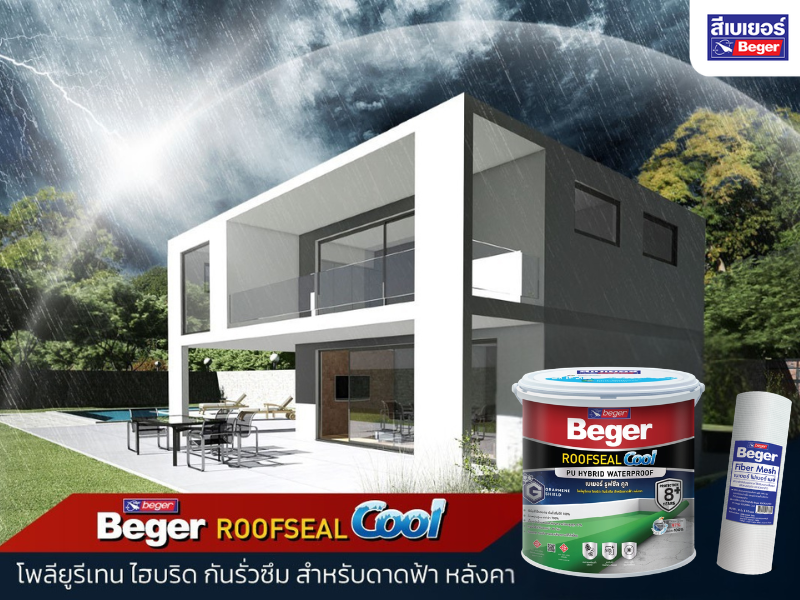
- provides 100% water penetration prevention,
- is highly flexible with over 600% elongation, preventing surface cracking from temperature expansion and contraction,
- can withstand standing water for up to 30 days,
- has a lifespan of over 7 years,
- and reflects heat up to 95%.
- For optimal performance, it should be used in conjunction with Beger Fiber Mesh fiberglass mesh.
- Guaranteed by industrial standards, TIS 2321-2549 and TIS 2514-2553.
Moisture Problems
Causes
Moisture is a significant factor that causes various problems in homes, such as peeling paint, blistering paint, as well as the growth of mold and algae on wall surfaces, all of which affect both the aesthetics and long-term durability of the structure. Moisture can be divided into two main types: temporary moisture and accumulated moisture.
- Temporary moisture is moisture that occurs due to external factors, such as after rainfall or following new plastering, which generally can evaporate and decrease over time if there is proper ventilation.
- Accumulated Moisture is moisture that arises from structural issues or usage within a building, such as leaking pipes, groundwater seeping up around the foundation, watering plants near walls, or being located close to water sources. When moisture accumulates in walls continuously without being able to ventilate, it can cause surface deterioration, peeling, and create an environment conducive to the growth of mold and mildew.
Moisture Problem Solutions
Temporary Moisture
Temporary moisture, or moisture from external factors such as rain or new plastering, generally decreases over time. However, an important point to be cautious about is the “timing for painting,” as painting on surfaces that still have high moisture can lead to issues such as paint peeling, slow drying, and reduced lifespan of the paint film in the long term. According to construction standards, if it is a newly plastered wall, one should wait at least 28 days before painting, and in cases where the wall is wet from rain, one should wait for the surface to dry for at least 24 hours to ensure that the moisture level drops to no more than 14%, which is suitable for paint adhesion.
However, modern paint technology allows for a reduction in waiting time by selecting high-moisture-resistant primer paints such asBeger Rain Quick B-2900(water-based),Beger Pro Quick B-1900orBeger Super Quick B-2100which can be used as soon as 2 days after plastering, as they can tolerate moisture levels of approximately 25%–70%. For cases that require expedited work or areas with particularly high moisture, one can chooseBeger Water Block Primer B-3100which is a high-performance moisture-resistant primer that can be applied immediately after rain and can withstand moisture levels up to 75%, helping to reduce work limitations and increase confidence in long-term surface quality.
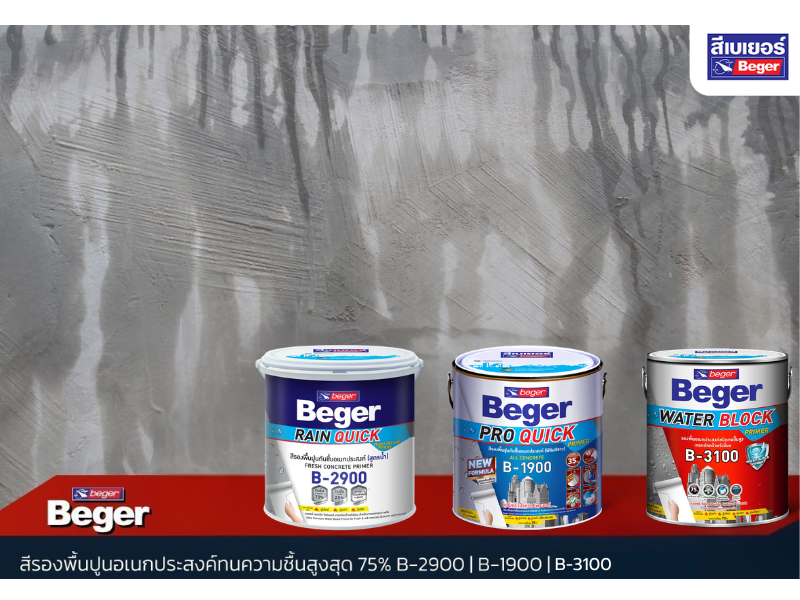
- Water-based primer can withstand moisture up to 70% (after rain) and accumulated moisture of 25%
- can be applied to freshly plastered surfaces within 2 days
- White film covers well, easy to inspect
- Water-based, low odor, Low VOCs, safe
- Guaranteed by industrial standards, TIS 1123-2555
- Withstands humidity up to 70% (humidity after rain) and accumulated humidity of 35%
- Quick work, completed work, can be painted over after new plastering in 2 days
- The white film has good coverage, easy to check the work
- Prevents salt and alkali stains from plaster 100%
- Enhances the performance of house paint, preventing problems such as peeling, blistering, mold, and algae even more
- Oil-based formula, penetrates deeply and adheres well to surfaces
- Can be used on all types of plaster surfaces, new plaster, old plaster, fresh plaster, and wet plaster
- Can be applied immediately after rain
- Withstands humidity up to 75%
- Quick work, completed work, can be painted over after new plastering in 1 day
- The white film has good coverage, easy to check the work
- Prevents salt and alkali stains from plaster 100%
- Enhances the performance of house paint, preventing problems such as peeling, blistering, mold, and algae even more
- Oil-based formula, penetrates deeply and adheres well to surfaces
Accumulated humidity
In cases of accumulated humidity, which often results from structural or internal system issues in buildings, such as leaking water pipes or water seepage from bathroom floors, the correct approach to solving the problem should always start with addressing the “root cause of humidity.” This may involve sealing leaks, repairing piping systems, or improving joints and re-grouting tiles for effectiveness. Only then should surface repairs and wall painting be carried out according to the extent of the damage. For cases of humidity caused by groundwater seeping up at the lower edges of buildings, which is a type of moisture that moves through the structure, there is currently no permanent solution that can completely stop the problem. However, the impact can be reduced and the lifespan of the surface can be extended by using appropriate moisture protection systems.
The recommended approach is to use moisture-proofing agents such asBeger Aqua Block W-009orBeger Water Block W-010Apply at least 2 coats on the surface to help reduce moisture penetration, then apply a high moisture-resistant primer paint with 1 additional coat to enhance the adhesion of the next layer of paint and help the paint film become more durable in the long term.
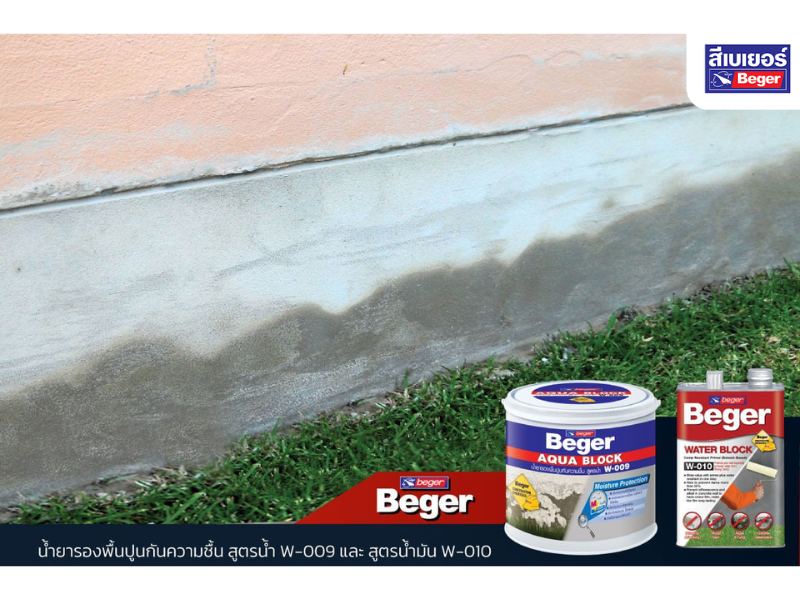
- Water-based moisture-resistant primer suitable for homes facing moisture accumulation issues.
- Prevents water, air can pass in and out of the surface.
- Easy to use, no mixing with water or thinner required.
- Helps extend the life of the topcoat, preventing issues like peeling and blistering.
- Excellent at preventing mold, algae, salt stains, and efflorescence in cement.
- Low odor, safe.
- Guaranteed by industrial standard TIS 1177-2536.
- Oil-based moisture-resistant primer suitable for homes facing moisture issues at the lower edges of buildings.
- Easy to use, no mixing with water or thinner required.
- Helps extend the life of the topcoat, preventing issues like peeling and blistering.
- Excellent at preventing mold, algae, salt stains, and efflorescence in cement.
- Safe, does not contain mercury and lead.
- Provides a glossy finish, does not yellow, and is resistant to foot traffic.
- Excellent adhesion, prevents water seepage.
- Can be used on various materials such as stamped concrete, washed stone, washed sand, terracotta tiles, natural stone, worm block, cement walls, and all types of loft walls.
- Prevents the growth of mold, algae, salt stains, and alkalinity in cement excellently
- Safe, free from mercury and lead compounds
- Provides high gloss
- Excellent adhesion, prevents water seepage
- Durable against various environmental conditions
- Prevents the growth of mold, algae, salt stains, and alkalinity in cement excellently
- Suitable for sandstone tiles, exposed bricks, slate, polished cement walls, and washed sandstone
After addressing and preventing moisture issues on the surface layer, the next important step is to choose a quality topcoat to enhance durability and extend the overall lifespan of the paint system. For exterior work, it is advisable to select paint that can withstand variable weather conditions, both intense sunlight and rain, such asBegerCool DiamondShield 15which effectively protects surfaces from heat, moisture, and pollution
For interior work, it is recommended to choose paint that offers both aesthetic appeal and hygienic properties, such asBegerShield AirFresh Anti-Virus Gold Ionwhich is designed to meet the needs of living spaces by helping to reduce unpleasant odors and enhance a healthy environment for residents
In cases where quick work is required and surface preparation steps need to be minimized, you can opt for 2in1 paint likeBegerCool 2in1 which combines the properties of primer and topcoat in one product, making painting convenient and time-saving while still providing suitable performance for both exterior and interior work
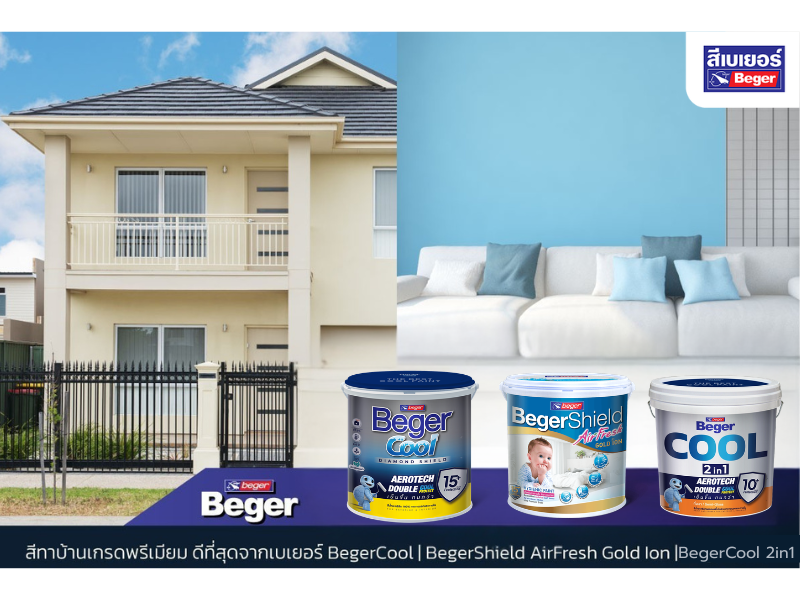
- The best house paint from Beger, ultra-premium grade
- Can reflect heat, truly helping to keep the house cool with ceramic cooling technology
- Durable in all weather conditions for more than 15 years with Diamond Bond Technology
- Available in more than 1,200 color shades
- Water-based formula, low odor, Low VOCs, safe
- Guaranteed by industry standards, TIS 2321-2549, TIS 2514-2553
- The best interior paint from BEGER, ultra-premium grade
- The only house paint that can inhibit germs and the COVID-19 Omicron virus on surfaces by up to 99.9% within 10 minutes with Gold Ion innovation
- The only house paint that has received the most certifications from global health institutions
- Can help purify the air 24 hours a day
- Easy-to-clean color film resistant to scrubbing up to 300,000 times
- Available in more than 1,200 color shades
- Helps prevent problems such as peeling, blistering, mold, and algae
- Water-based formula, low odor, Zero VOCs, can move in within 5 minutes after painting, free from harmful heavy metals, safe for residents, users, pets, and the environment
- Premium grade 2 In 1 interior paint
- Fast & Easy, with primer mixed in, saving time and labor costs, can be completed in 2 hours
- More concentrated paint than regular paint with Max Cover Titanium technology, one coat is equivalent to two coats of regular primer and topcoat
- Easy-to-clean color film resistant to scrubbing up to 60,000 times
- Helps prevent problems such as peeling, blistering, mold, and algae
- Water-based formula, low odor, Low VOCs, can move in within 5 minutes after painting, free from harmful heavy metals, safe for residents, users, pets, and the environment
- It has the certification standards of TIS 2321-2006 and TIS 1123-2012.
- Oil-based moisture-resistant primer suitable for homes facing moisture issues at the lower edges of buildings.
- Easy to use, no need to mix with water or thinner.
- Helps extend the lifespan of topcoat paint without causing issues like peeling or blistering.
- Effectively prevents the growth of mold, algae, salt stains, and efflorescence in cement.
- Safe, free from mercury and lead compounds.
Cracks on the wall problem
Cause
Cracks in the house can occur for several reasons, such as surface preparation, poor plastering, non-standard cement mixing, settling of the house’s structural columns or the ground, and the expansion – contraction of concrete when exposed to heat – cold or moisture, etc. Essentially, we can categorize cracks into 2 types: Cracks that do not affect the structure For example, cracks and fissures not exceeding 10 mm, and Cracks that affect the structure For example, deep cracks larger than 10 mm in the area of columns, beams, or vertical cracks in the middle of the house.
How to fix cracks and fissures.
The solution for cracks in the house can be addressed according to the type and nature of the cracks, both by using filler products and by adjusting the structural system of the house.
<p