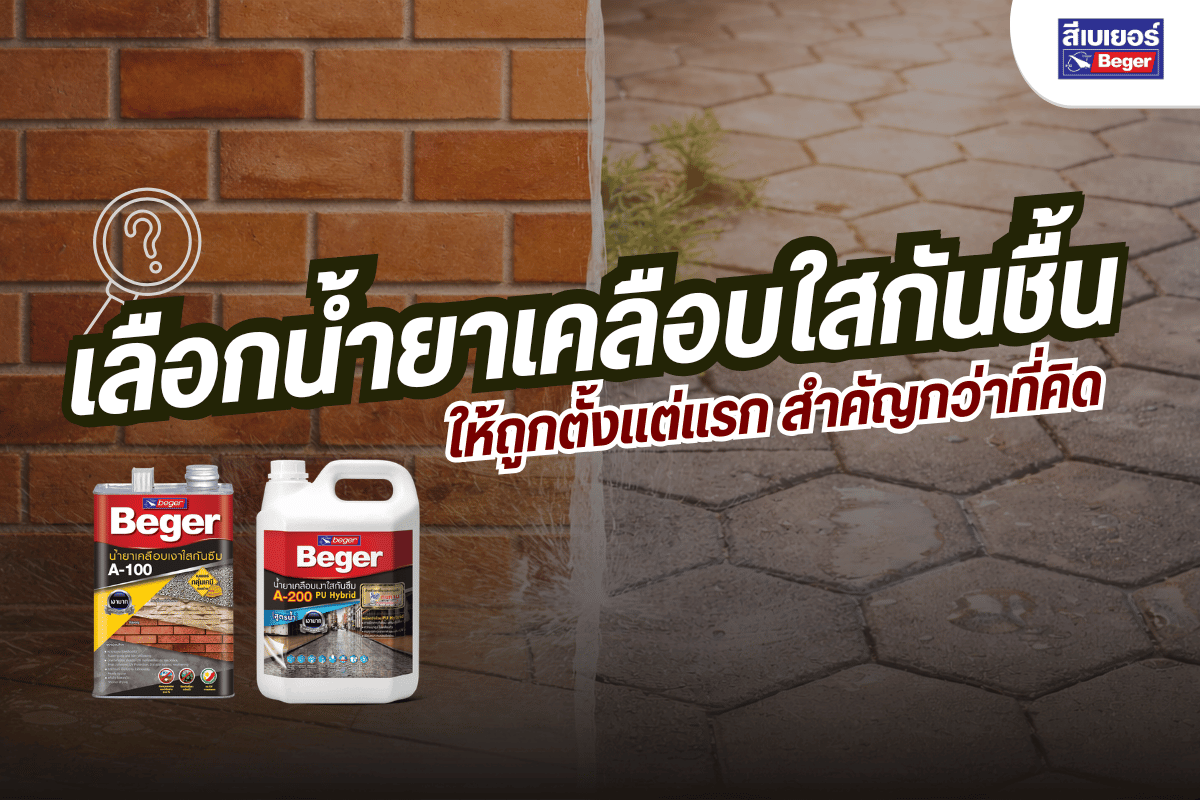
Many people understand that all types of clear moisture-proof coatings function the same way: they are applied to provide water resistance. However, in reality, it is the “usage characteristics” that determine which type should be chosen. This is because different surface types bear different stresses. Walls only endure sunlight and rain, while floors must withstand foot traffic, abrasion, and standing water. Choosing the right product from the start will help extend the lifespan of the surface and reduce unnecessary repairs.
Common mistakes before choosing a clear coating
A frequent issue that technicians encounter is selecting based on “shine” instead of “actual usage characteristics.”
For example,
- seeing a beautiful shiny film, one might apply it to the floor of the front yard.
- Choosing a formula suitable for walls but using it in high-traffic areas.
The consequence is that the film may wear out faster than normal or become easily scratched. Therefore, before making a selection, one should ask themselves whether the area will “bear usage stress.”
If it is a wall that aims to showcase the natural surface
For exposed brick walls, bare concrete, or surfaces that require prominent shine, choosing a product that emphasizes the beauty of the film will enhance the material’s pattern, making it look deeper and more vibrant. Generally, this type of work does not experience the same abrasion as floors, so it is unnecessary to use formulas designed to withstand foot traffic.
The key points are
- the consistency of the film,
- the prevention of water penetration into the material surface,
- the long-term maintenance of beauty.
If it is a floor or area that sees actual use
Horizontal areas, such as concrete yards, walkways, or areas around the house, must endure constant abrasion and may also have standing water at times. Areas like this should choose products specifically designed to withstand usage stress because, even though they are all clear coatings, the film structures are designed differently.
Additional considerations include
- scratch resistance,
- film strength,
- suitability for horizontal surfaces.
Choosing according to the “area” rather than by model name will ensure that a single investment lasts longer.
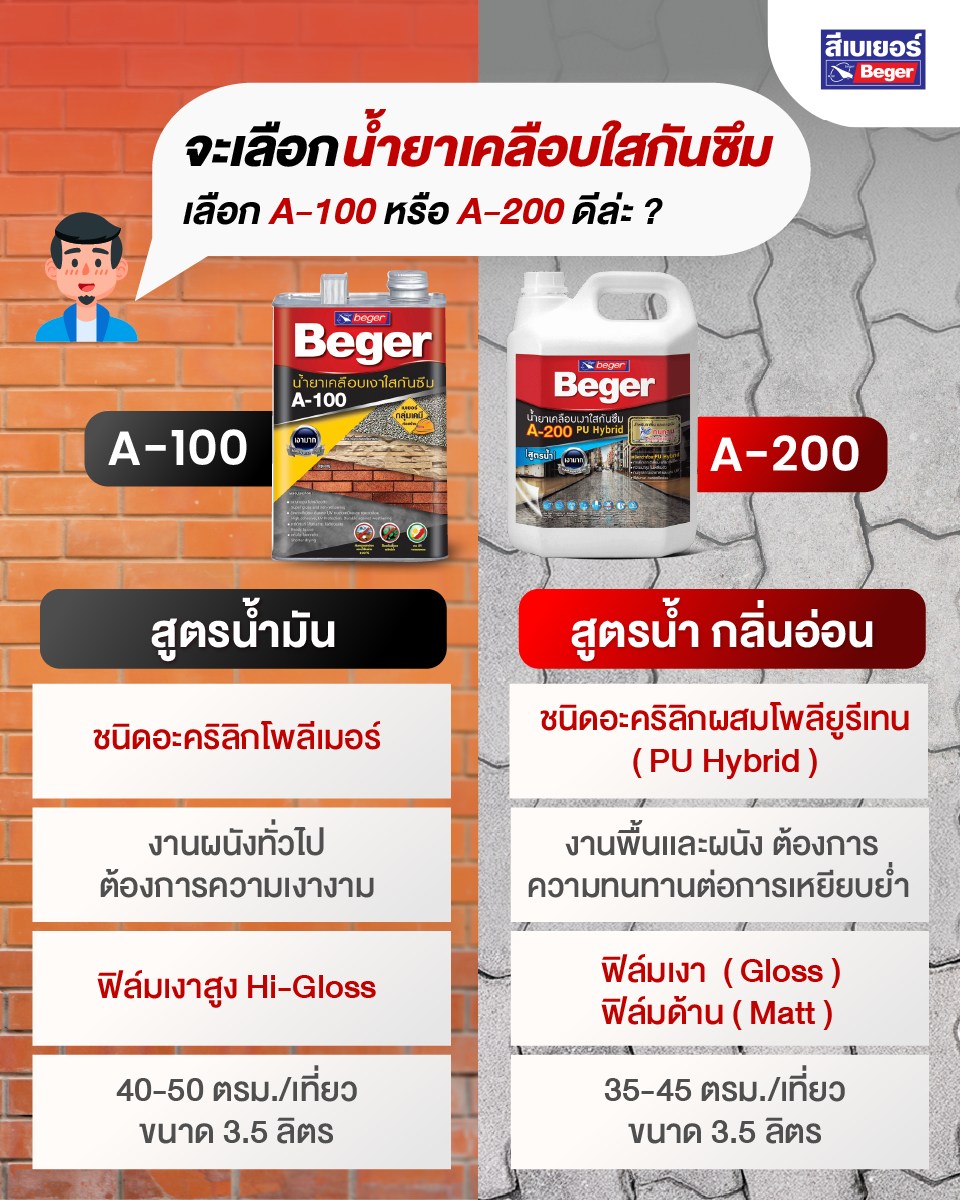
Choose based on “area,” not by model name.
A simple concept is
- if it is a wall, focus on beauty and moisture protection.
- If it’s a floor emphasizing durability under use
Choosing this way helps reduce confusion and lowers the chances of selecting the wrong type
Why is job site analysis more important than looking at specifications?
Technical specifications are important, but from the perspective of actual users, the factor that most affects durability is the “context of use,” such as
- whether the area is exposed to sunlight all day
- how often there is standing water
- how much foot traffic there is
Answering these questions before selecting a product will lead to more accurate decisions. If you want to know the technical details ofA100andA200what they are, what materials they can be used with, and their specific properties, you can read more in this article– Did you know! What are waterproofing agents A100 and A200? What can they be applied to?
Choosing a clear moisture-proof coating is not about which formula is better, but about selecting the one that best suits the characteristics of the job. Walls and floors are used differently, and the requirements for aesthetics and durability are therefore different. You should start by analyzing the type of area and usage behavior, such as whether there is foot traffic or how much water or sunlight exposure there is. Then, always prepare the surface to be clean and completely dry before applying. When chosen correctly from the start, the work will turn out beautiful, durable, and help reduce repair costs in the long run.
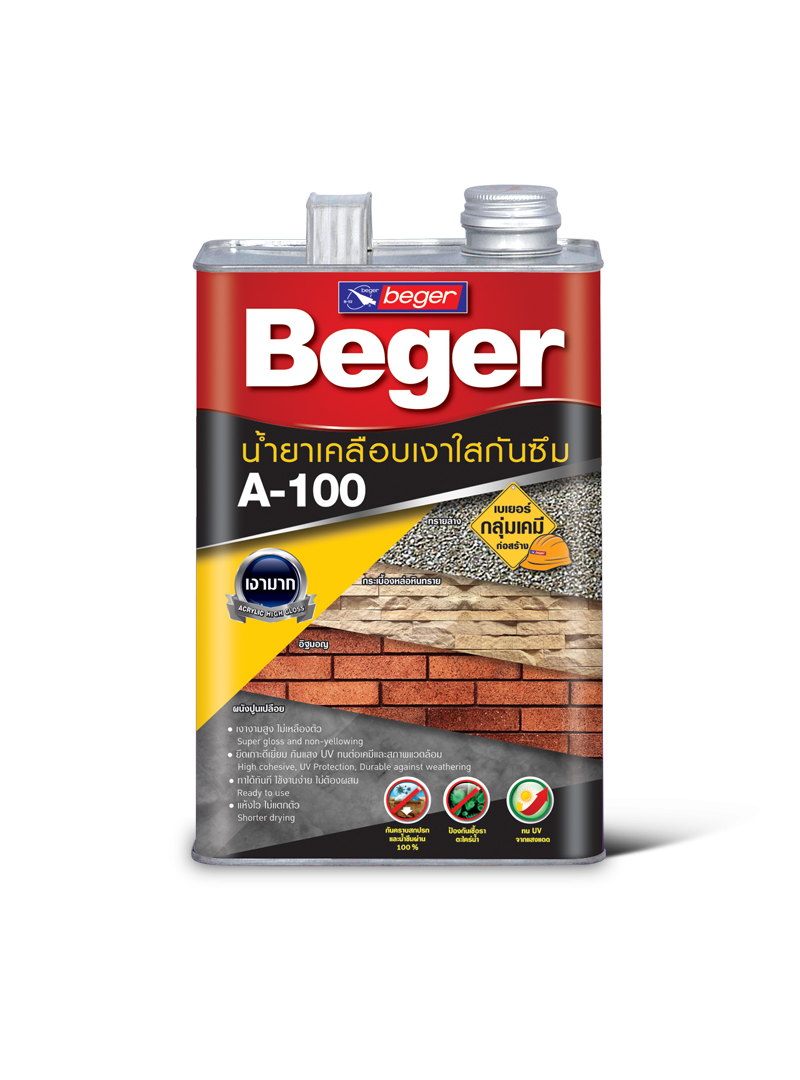
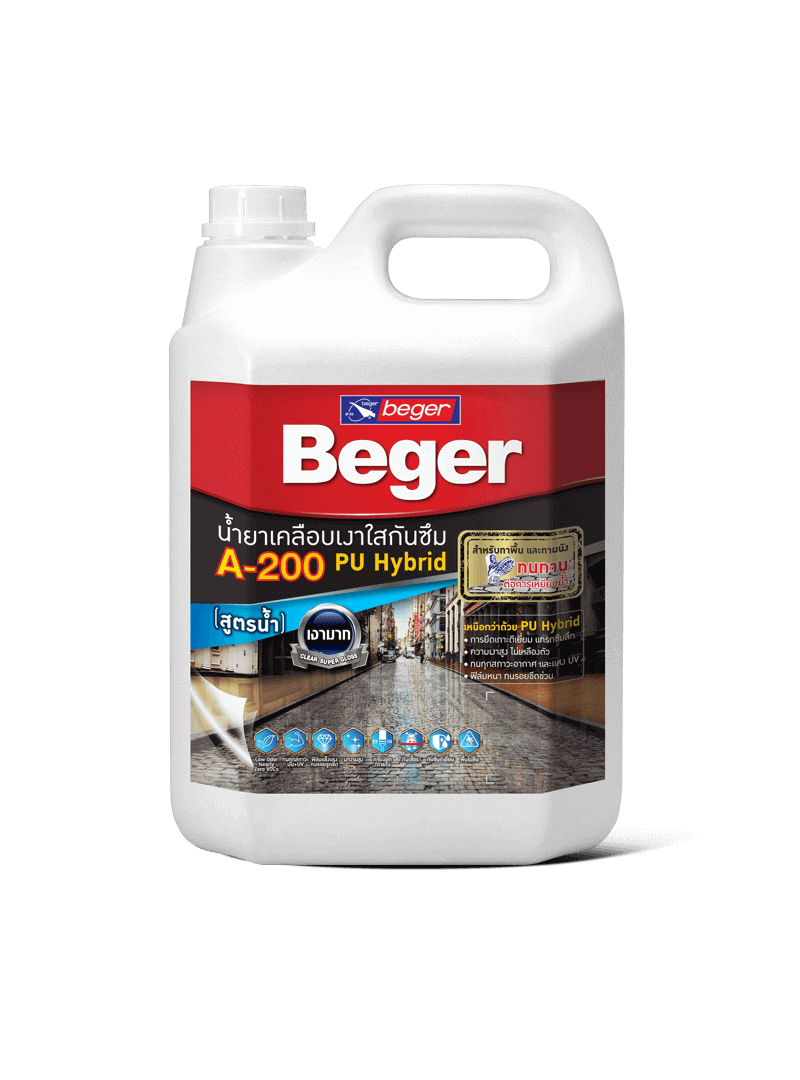
Product Recommendations
|
|
|
FAQ Frequently Asked Questions about Choosing Clear Moisture-Proof Coatings
Q1: Which is better, A100 or A200?
A1: There is no definitive answer as to which model is better. The choice should primarily depend on the type of area. If it’s a wall job that requires gloss and moisture protection, selecting a formula suitable for walls will be more effective. However, if it’s a floor or an area with heavy foot traffic, you should choose a formula specifically designed to withstand heavy use.
Q2: Can clear moisture-proof coatings be used on all types of floors?
A2: Not every formula is suitable for floor work, as floors must withstand more abrasion and impact than walls. Choosing a formula suitable for floor applications will help extend its lifespan and reduce issues with rapid film wear.
Q3: What happens if the wrong type is used?
A3: If a product is chosen that does not match the job characteristics, it may cause the film to wear out faster than normal, become easily scratched, or reduce protective performance in the long term. Therefore, it is advisable to analyze the area before making a decision every time.
Q4: Do clear moisture-proof coatings help prevent mold and slime?
A4: Helps reduce water absorption into the surface, which is a key factor in the growth of mold and algae. When the surface is dry and does not retain moisture, the likelihood of black and green stains significantly decreases.
Q5: In case you want to coat a material surface that protects against water – moisture but does not have a colored film, what recommendations are there?
A5: There are coating agents for preventing mold and algae that, when applied, appear as if they have not been applied, while still maintaining the feel of that material. These include Beger Water Repellent W-005 (water-based formula) and Beger Water Repellent W-006 (oil-based formula).