
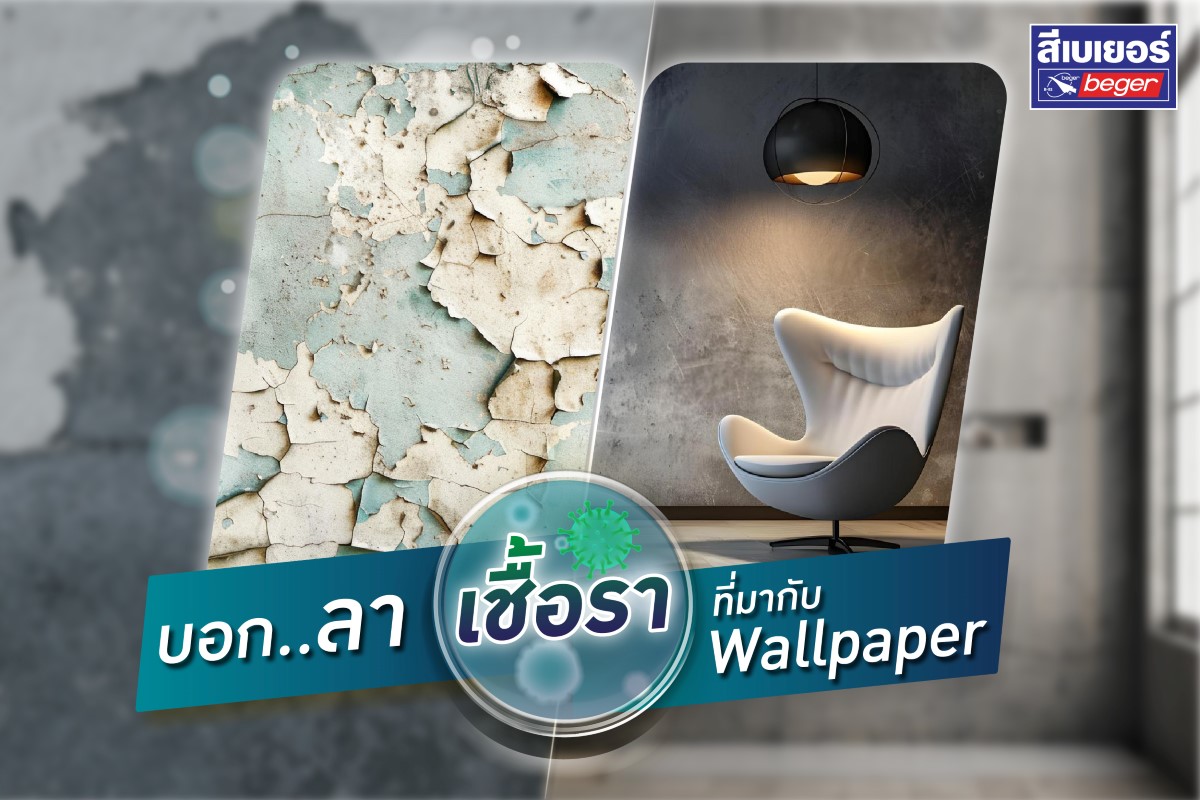
Many people may think that “mold on wallpaper” is just a small stain that makes the walls look dull, but in reality, this problem may hide larger impacts than expected, both on the health of the people in the house and the lifespan of interior decorative materials.
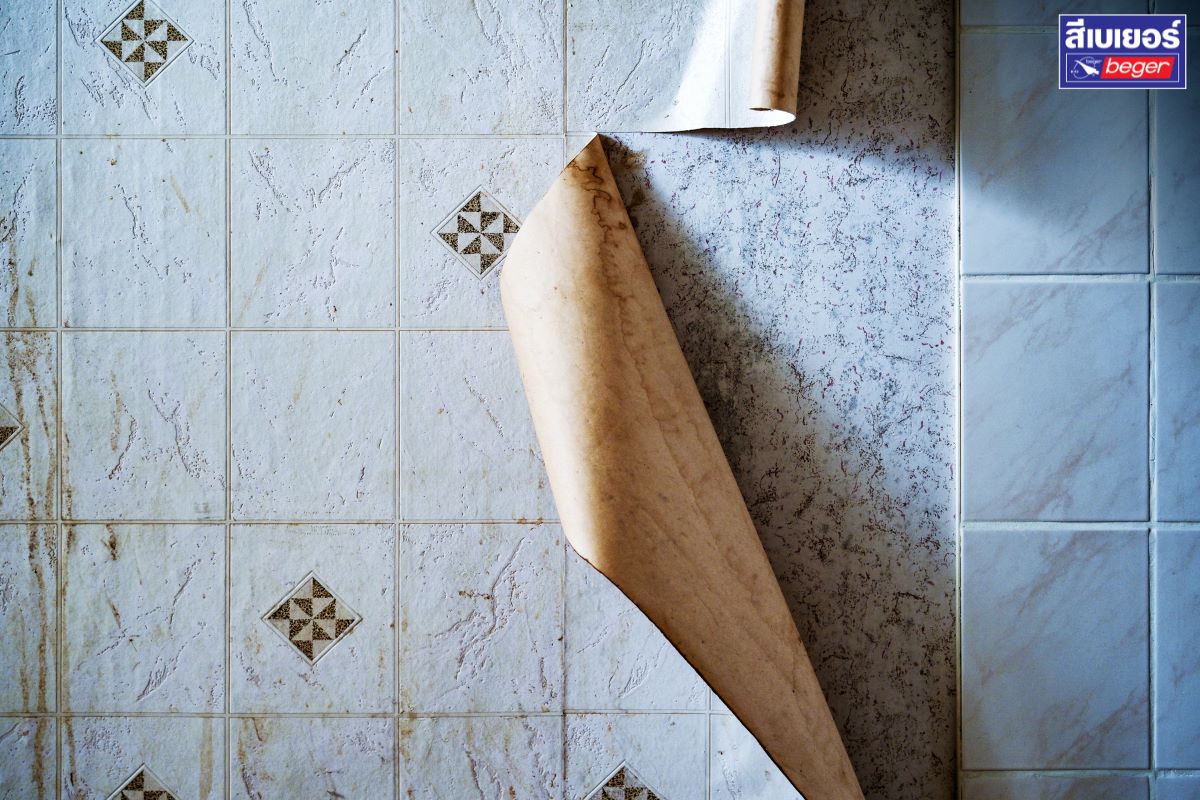
Mold on wallpaper often occurs due to accumulated moisture — whether from rain splashes, water seeping from external walls, or even from poorly ventilated rooms. When mold spores receive the right moisture and temperature, they can grow and spread rapidly, especially in areas with moisture-retaining materials such as wallpaper, paper, ceilings, or wood.
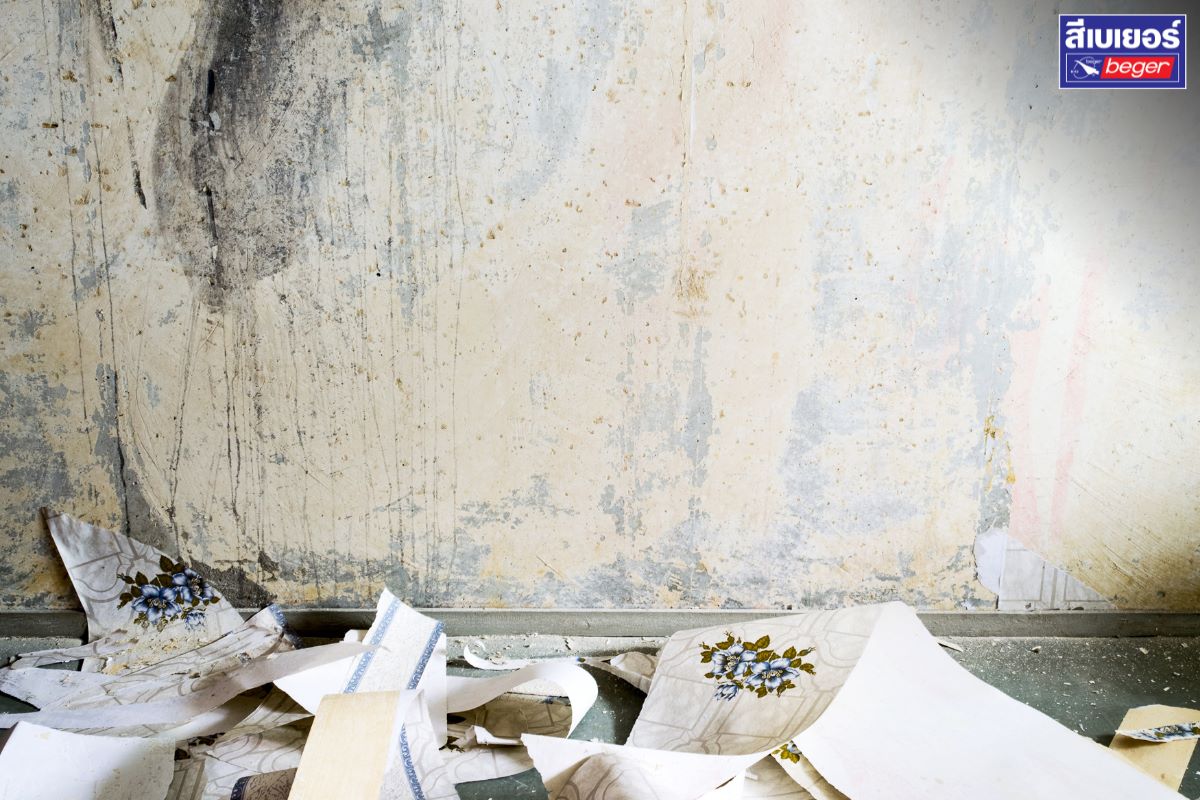
At first, you may only see small black spots or thin green stains on the wall, but over time, this mold can cause the wallpaper to peel, bubble, and develop deep black stains, and it can also negatively affect health, causing allergies, dust mold, or chronic respiratory diseases, especially in children and the elderly with weakened immune systems.
What causes mold on wallpaper?
Many people may already know that mold is related to moisture, so wherever there is high accumulated moisture in the house, mold can easily grow. Factors that contribute to the accumulation of moisture that allows mold on wallpaper to thrive include
- moisture from rain or flooding during the rainy season
- rooms or walls that retain moisture, poorly ventilated air, especially in bathrooms
- windows in areas where condensation occurs
- problems with cracks or leaks in walls and ceilings, allowing water to seep into the house
- damaged or clogged gutters or pipes inside the house
- moisture from air conditioning
- devices that generate steam such as kettles, food boilers, steamers, or humidifiers
How does mold on wallpaper negatively affect us, and is it dangerous?
Mold on wallpaper reduces the aesthetic appeal of the room, makes it look dull, and makes the house less pleasant and visually unclean. If left for a long time, it may become more difficult to clean or renovate the room due to the deteriorated wallpaper adhesive, making it hard to remove and leaving spots behind. The mold stains may continue to spread until they cover the entire wall.
Although mold usually does not cause health problems, moldy wallpaper can still affect the health of certain residents, especially children, the elderly, and those with pre-existing conditions such as allergies, weakened immune systems, or respiratory issues.
If we inhale a large amount of mold spores in the air or are exposed for a long time, it may lead to breathing problems or allergic reactions such as nasal congestion, runny nose, sneezing, itchy nose, red eyes, watery eyes, fever, headaches, shortness of breath, and irritation of the throat, nose, or eyes. Touching it may also cause skin irritation.
In some cases, mold on wallpaper may trigger existing health issues such as asthma or lead to inflammatory diseases like pneumonia or sinusitis. This is why it is important to address mold on wallpaper as soon as possible.
How to fix moldy wallpaper
In fact How to deal with moldy wallpaper is not difficult. If you want to save costs, homeowners can do it themselves by following these steps:
- Remove all the old wallpaper, as mold may have spread throughout the wall.
- Check for leaks, cracks, or areas with high moisture accumulation, which are the sources of mold.
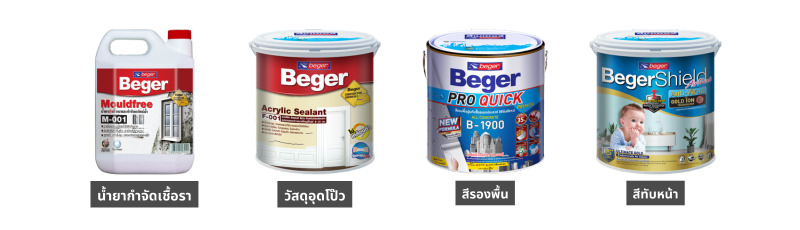
- Remove wallpaper adhesive stains with Beger Thinner M-77 or Bull Thinner AAA.
- Clean the surface with mold stains using clean water and leave the surface to dry completely for at least 24 hours.
- Apply a mold and moss remover that penetrates deep to the roots, Beger MouldFree M-001, generously once without rinsing, and let it dry for at least 3 hours.
- For cracked or leaking walls, it is recommended to fill with Beger Acrylic Sealant & Filler and smooth it out evenly.
- Install new wallpaper, or you can paint instead of wallpapering.
If the homeowner chooses to paint the interior of the house, it is recommended to apply a full system for long-lasting protection, including high-moisture resistant multipurpose primer Beger Pro Quick B-1900 and a topcoat with desired properties, such as a long-lasting 15-year paint BegerCool DiamondShield 15 or an interior paint that inhibits germs BegerShield AirFresh Gold iON.
FAQ: Frequently Asked Questions about Moldy Wallpaper
Q1: What causes moldy wallpaper?
A: Moldy wallpaper is often caused by moisture accumulation in the walls, such as from rain splashes, leaks, or stagnant air in poorly ventilated rooms. When mold spores encounter moisture and suitable temperatures, they grow and spread easily on the wallpaper surface.
Q2: Is mold on wallpaper harmful to health?
A: It is definitely harmful, especially for those with allergies or asthma, as mold can release spores into the respiratory system, causing coughing, sneezing, eye irritation, or even sinusitis.
Q3: How can I completely solve the problem of moldy wallpaper?
A: Start by eliminating the source of moisture first, such as checking for leaks and repairing them. Then, remove the sections of wallpaper that have mold, use a specialized mold remover, and allow the walls to dry completely before applying new wallpaper or painting over with mold-resistant paint.
Q4: How can I prevent moldy wallpaper?
A: You should maintain indoor humidity levels below 50–60%, open windows or use exhaust fans for ventilation, avoid wallpapering in bathrooms or on walls that get wet, and choose mold-resistant adhesives or treatments specifically for interior decoration.
Q5: If the wallpaper is moldy, what type of Beger paint should I use instead?
A: If the wallpaper has mold, it should be completely removed to prevent spreading. Then clean the surface thoroughly and apply Beger MouldFree M-001 to kill the mold down to the roots without rinsing off. Once the walls are dry and clean, if the homeowner wants to switch from wallpaper to painting, it is recommended to use the complete Beger paint system, which includes
- Beger Pro Quick B-1900 high moisture-resistant multipurpose primer to prevent moisture from coming back.
- The topcoat suitable for the house conditions includes
– BegerCool DiamondShield 15 for a long-lasting finish of up to 15 years, protecting against heat and UV rays
– BegerShield AirFresh Gold iON which helps inhibit mold, bacteria, and eliminate musty odors in the air.
These paint systems help restore the beauty, strength, and mold-free condition of the walls, reducing the chances of recurring problems in the future. If you have any questions or need advice on using Beger paints, construction chemicals, or planning to renovate your home but don’t know where to start, you can consult directly with Beger experts at Line: @begerpaint during business hours.