
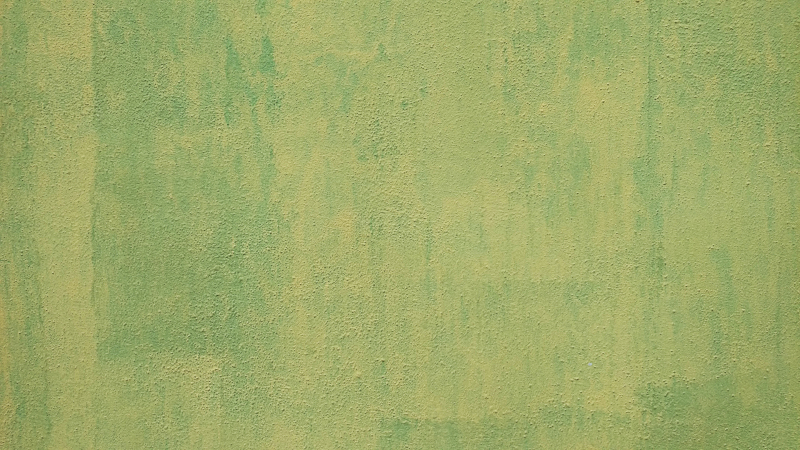
The issue of poor hiding occurs after painting, noticeable by the visibility of the underlying surface even after the paint has dried. This problem of inadequate hiding may result from several factors, such as the quality of the paint, color mixing, different shades, or painting methods, leading to clear paint marks and an uneven appearance.
Causes of Poor Hiding
- Using low-quality paint or paint with low hiding properties
- The painter lacks expertise in selecting products or painting according to the system
- Incorrect mixing of base colors and pigments
- Overmixing thinner or adding too much solvent
- Applying the paint too thinly
- Painting over surfaces with significantly different shades, causing the top coat not to cover the base color
Solutions for Poor Hiding
- Repaint with high-quality products or those with high hiding properties, whether from the BegerCool line like BegerCool DiamondShield 15 and BegerShield AirFresh Anti-Virus Gold iON, or from the metal paint line like BegerShield GRIPTECH 2IN1 or BegerShield GRIPTECH 2IN1 RUSTPROOF
- Choose a skilled painter and use appropriate painting tools such as brushes or rollers
- Follow the manufacturer’s recommendations regarding the correct spreading of the paint film, wet film thickness, and dry film thickness
- Be cautious when mixing thinner or solvents, and use the amount or ratio specified on the packaging
- Use a suitable primer or intermediate coat for the top coat, especially if applying a lighter shade over a darker color
Recommendations
If choosing a top coat in a pigment shade with low hiding properties, it is recommended to always apply a middle coat such as bright yellow or bright red and orange before the top coat, as this will help achieve better hiding and enhance the smooth appearance of the top coat.
Consult color issues for free! Get free house color design services!