
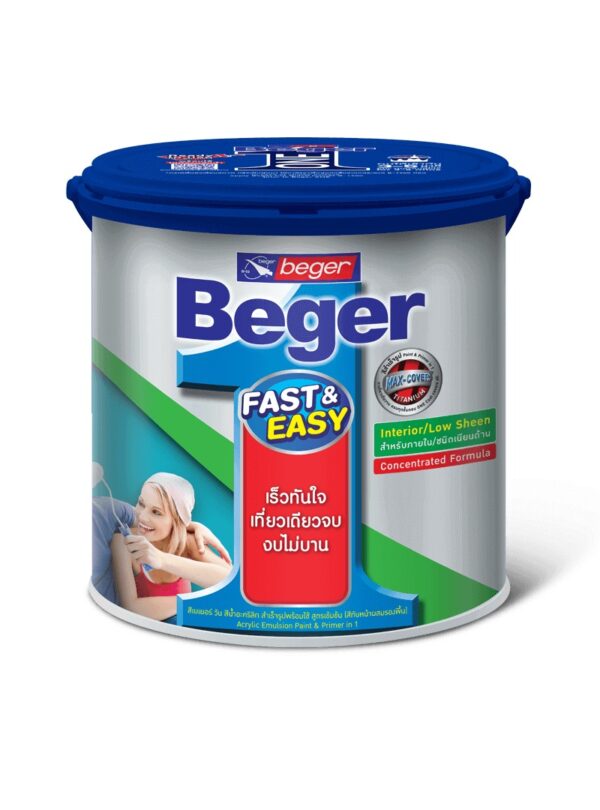


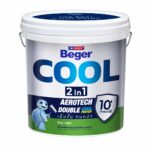

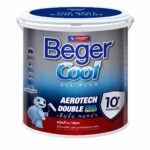
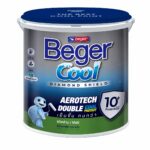
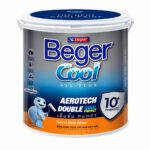




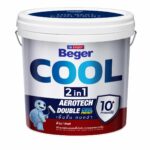
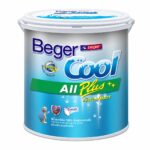
Step 1
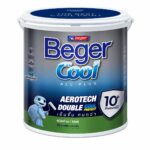
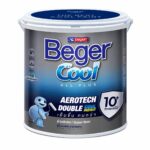
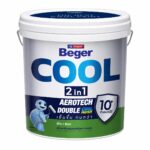
Step 1 Surface preparation: New plaster – let the plaster dry completely for about 1 month, until its moisture content is below 14%, then clean it so it is free of dust and grease. Existing plaster – if the existing surface is still in good condition, clean it and apply Beger One directly as the topcoat. If it has deteriorated, with cracks, peeling paint, chalking, mould or moss, those areas must be repaired first. - For wall cracks or hairline cracks up to 1 mm, fill with Beger Acrylic Filler F-200, or use Beger Acrylic Sealant F-001 for cracks of 1-10 mm; sand the repairs smooth before painting. - For lightweight concrete block or precast walls, we recommend smoothing the surface with Beger Skim Coat 101 and applying 1 coat of BegerCool All Plus #5000 heat-reflective alkali-resistant primer for new plaster (interior) to improve adhesion and protect against alkali from the plaster, or using Beger Skim Coat 102 without a primer. - For peeling, faded, blistered, powdery or chalking paint, scrub off all deteriorated and chalking paint (do not use a wire brush) and clean the surface so it is free of dust and grease. - For areas with mould or moss, wash them clean and then apply Beger MouldFree M-001. - For wall cracks or hairline cracks up to 1 mm, fill with Beger Acrylic Filler F-200, or use Beger Acrylic Sealant F-001 for cracks of 1-10 mm; sand the repairs smooth before painting
