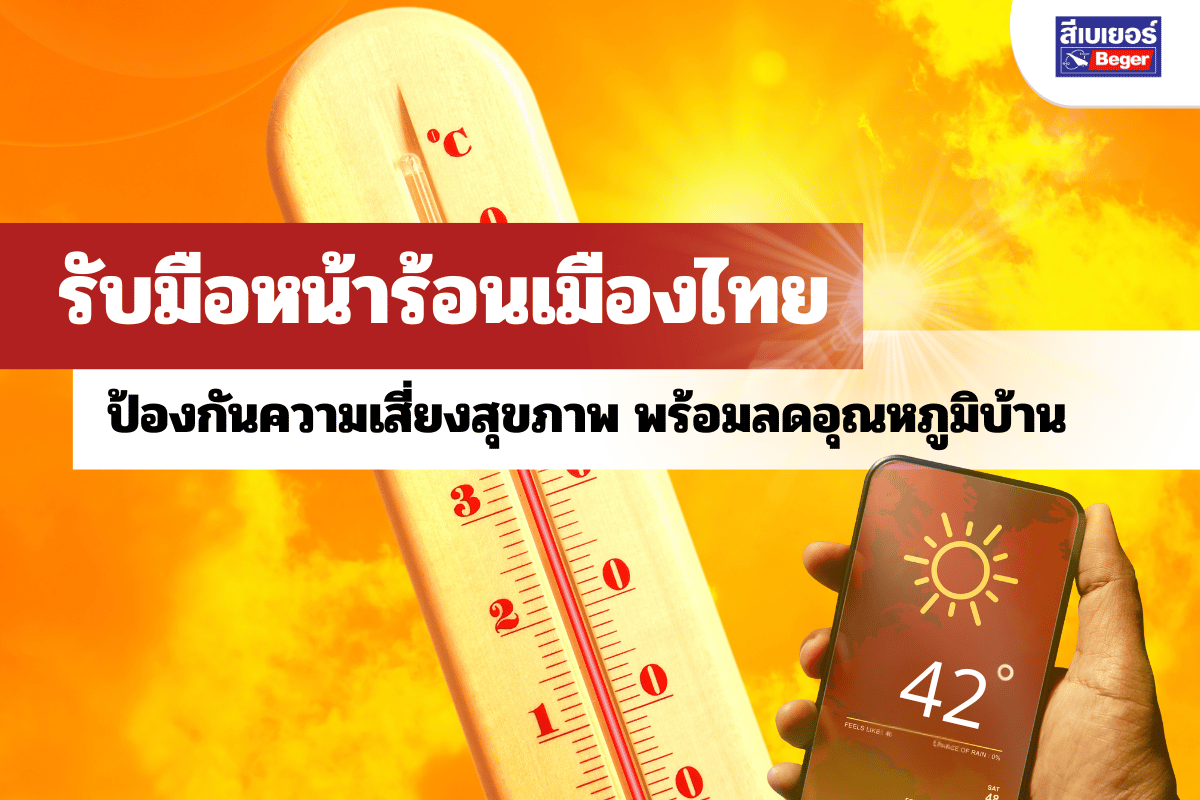
Thailand is entering an era where temperatures of 40 degrees Celsius are no longer unusual. Many areas have heat index values soaring above 45–50°C due to the combination of temperature and humidity, significantly increasing health risks. Therefore, summer is not just a season but a “challenge to health and quality of life” that every family must prepare for, both in terms of the body and housing.
Why summer in Thailand is more dangerous than you think
The hot and humid weather in Thailand makes it harder for the body to cool down through sweating compared to dry air. Even at the same temperature, high humidity makes it feel much hotter and increases the risk of:
- Heat Exhaustion
- Heat Cramps
- Heat Stroke, where body temperature exceeds 40°C and can be life-threatening.
How to stay safe in temperatures above 40°C
1. Drink water properly
- Sip clean water throughout the day, even if you are not thirsty.
- Drink slowly, not in large amounts at once.
- Choose water at normal or slightly cool temperatures.
Drinking cold water is not a direct cause of blood vessel rupture in healthy individuals, but it is advisable to avoid very cold water immediately after sun exposure. Allow your body to adjust to the temperature first.
2. Rest before showering after being in the sun
After returning from outdoors, you should:
- Sit in the shade for 15–30 minutes.
- Allow sweat to stop and your body to cool down.
- Take a shower with normal temperature water.
Rapidly changing body temperature may cause dizziness or fainting in some cases.
3. Avoid strong sunlight between 11:00 AM and 4:00 PM
During this time, there is maximum heat and UV radiation. If you must go outside, take breaks and drink more water.
In addition to the body, the “home” must also be ready to handle the heat.
Many people focus only on turning on the air conditioning or drinking water but forget that the structure of the house directly accumulates heat, especially:
- the roof that receives sunlight all day.
- West-facing walls
- High heat-absorbing surfaces
When a house accumulates heat, it results in:
- High indoor temperatures even at night
- Air conditioners working harder
- Electricity bills soaring during April–May
- Materials deteriorating quickly
Options to help reduce home temperatures in the Thai summer
One effective and long-term approach is to use heat-reflective paint for exterior walls and roofs This type of paint is designed to reflect infrared radiation, which is the main cause of heat accumulation on building surfaces. When surfaces can reflect more heat energy, the heat transferred into the house will also decrease.
Examples of products for homes facing the Thai sun
Examples of products for homes facing the Thai sun
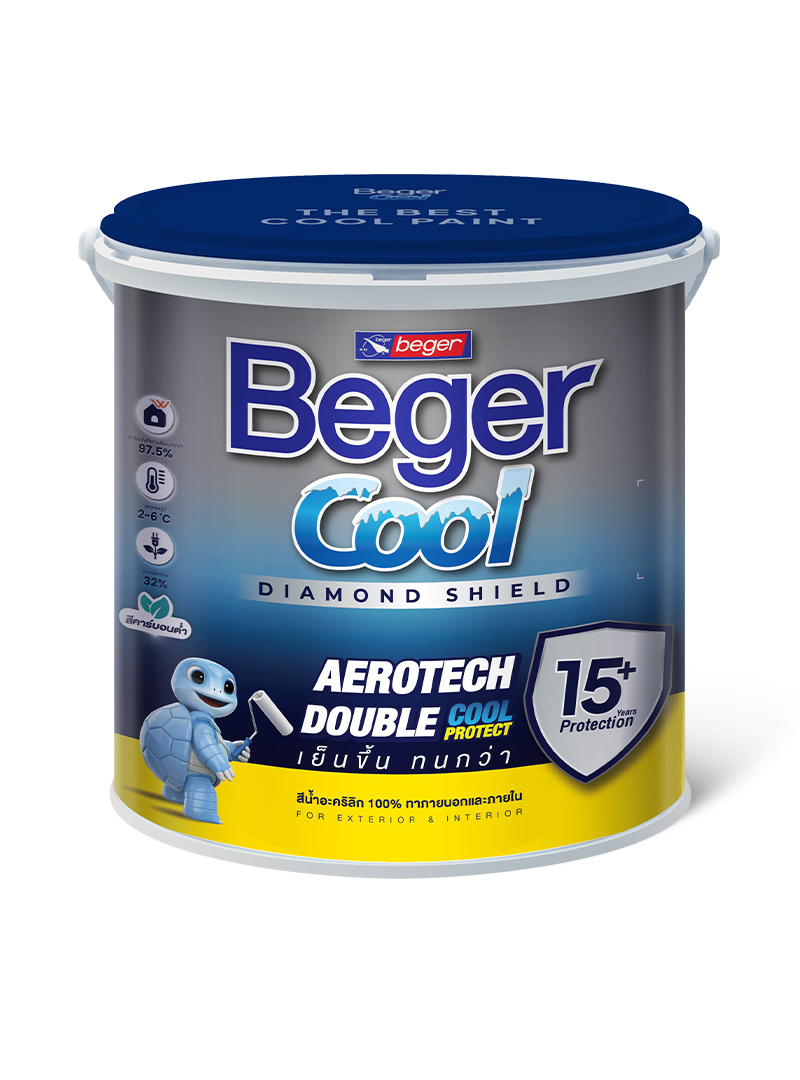
- BegerCool DiamondShield 15(house paint) which uses the AeroTech innovation with Nano Ceramic Cooling for exterior walls, helps reflect heat and reduce temperature accumulation on building surfaces, reflecting heat up to 97.5%It can help reduce indoor temperatures by about 2–6 degrees Celsius and can save electricity costs by up to about 32%
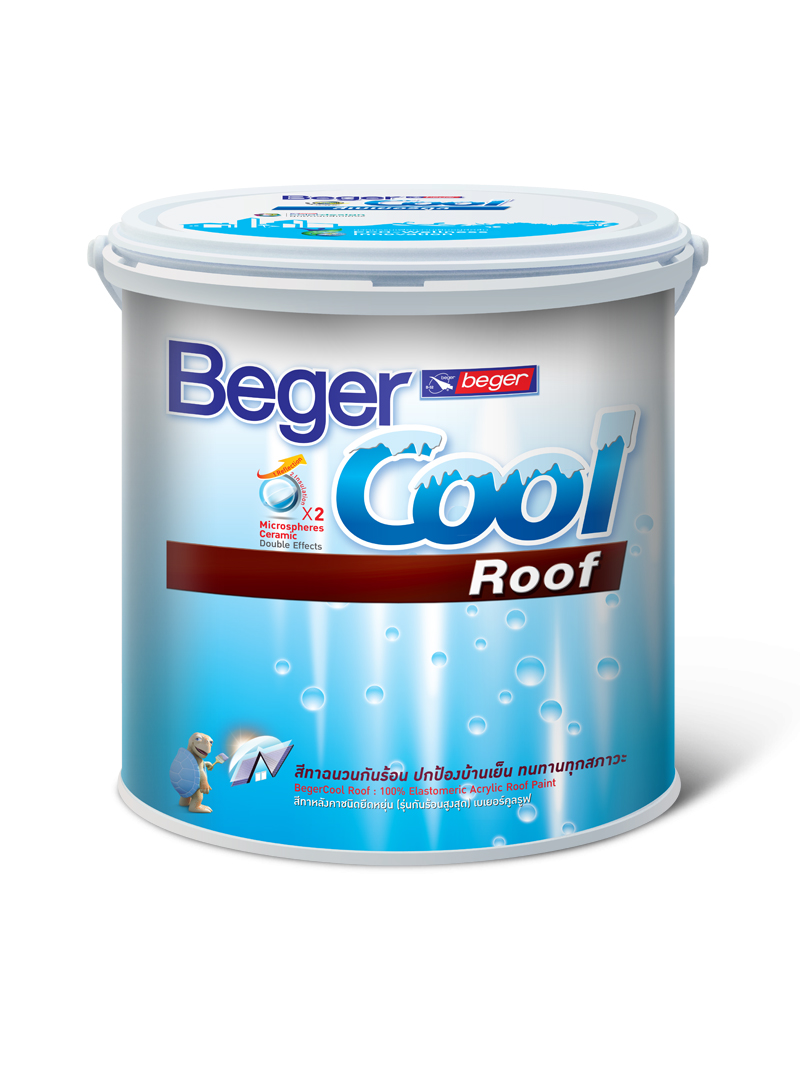
- BegerCool Roof (roof paint) heat-resistant roof paint acts as thermal insulation for roofs, reflecting heat more than 96.5%With ceramic cooling technology, it can reduce indoor temperatures by up to 6 degrees
Reducing indoor temperatures by just a few degrees may seem minor, but it can make a significant difference to comfort and long-term energy costs, especially during the summer months in Thailand when temperatures reach 40 degrees Celsius or higher.
How does a cooler home benefit health and energy?
When a home accumulates less heat, it helps to:
- Reduce the risk of heat exhaustion
- Reduce the workload on air conditioning units
- Lower electricity bills during the summer
- Increase comfort in living spaces
- Support efficient energy use
In an era where Thailand faces rising temperatures every year, adapting homes to cope with heat is an investment in quality of life.
Summary: To cope with the Thai summer, care for both “people” and “homes”
Temperatures of 40°C and above are becoming the new normal in Thailand. Effective coping should therefore be approached from two sides:
- Take care of the body properly
- Reduce heat accumulation inside the home
Choosing heat-reflective colors like BegerCool DiamondShield 15 is one way to genuinely cool down a home while reducing electricity bills and increasing long-term comfort. On days when the heat intensifies, a home designed to withstand the climate is an essential shield for everyone in the family.
Product Recommendations
|
|
|
FAQ Frequently Asked Questions about coping with the Thai summer 40–50°C
Q1: Is a temperature of 40 degrees in Thailand dangerous?
A1: A temperature of 40°C is considered risky, especially when combined with high humidity in Thailand. The heat index may exceed 45–50°C, increasing the risk of heat exhaustion and heat stroke. It is advisable to avoid direct sunlight, drink water regularly, and rest in shaded areas.
Q2: What are the symptoms of heat stroke?
A2: Heat stroke is a condition where the body temperature exceeds 40°C and cannot dissipate heat effectively. Key symptoms include high fever, confusion, slurred speech, dizziness, fainting, or seizures. If any symptoms are observed, seek medical attention immediately.
Q3: What should be done if the house is very hot in the summer?
A3 : Houses in Thailand often become hot due to roofs and walls that receive direct sunlight. Effective ways to reduce heat include increasing ventilation, installing insulation, and using heat-reflective paint for roofs and exterior walls to reduce heat accumulation from the structure.
Q4 : Does heat-reflective paint really help lower the temperature of a house?
A4 : Heat-reflective paint works by reflecting infrared radiation, which is the cause of heat accumulation. For example, BegerCool DiamondShield 15 can reflect heat up to 97.5% and helps reduce indoor temperatures by approximately 2–6 degrees Celsius, while also saving electricity costs by up to about 32% when used properly.