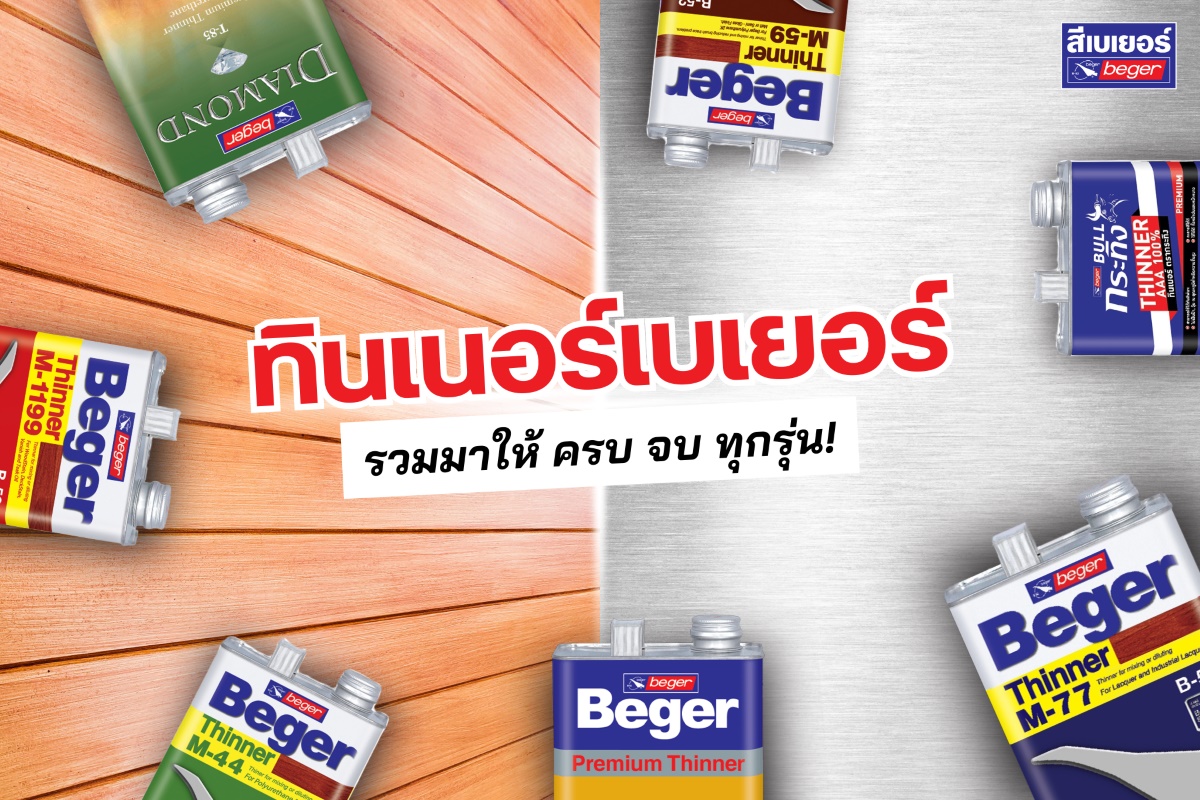
Have you ever wondered why some paint jobs come out smooth, shiny, and durable, while others end up streaky, dry slowly, or peel off even when using the same type of paint? The key answer may not lie solely in the “paint” but in selecting Beger Thinner that matches the type of work. In reality, thinner is not just a color mixing agent; it is a component that directly affects the quality of the work, including smoothness, adhesion, and the lifespan of the paint. If the wrong thinner is chosen from the start, the work may need to be redone unnecessarily. This article therefore compiles Beger Thinner and clearly explains “which type to use with which paint” and how to choose appropriately for the job, so you can make easier decisions and achieve beautiful, complete, and cost-effective paint results in one go.
What is thinner? Why is it important for painting?
Thinner (Thinner) is a solvent designed to be used specifically with each type of paint. It plays a crucial role in “balancing the paint consistency” to suit real-world applications, whether it’s brushing, rolling, or spraying. Many may see thinner as merely a diluent for paint, but in reality, thinner directly impacts the “quality of the paint film” from the application stage to the results after drying.
The main functions of thinner are as follows:
- Adjust the viscosity of the paint appropriately so that the paint is neither too thick nor too thin, making it easier to control application and reducing issues like drips or waves.
- Facilitate easier application and spraying of paint by allowing the paint to flow well, glide on the brush, or distribute evenly when sprayed, reducing unsightly brush marks and seams.
- Control the drying of the paint Thinner affects the evaporation rate, which influences whether the paint dries quickly or slowly as appropriate, helping the paint film to be smooth, not cloudy, and free from blotches.
- Help achieve a smooth paint film with better adhesion When the paint has a good balance, it enhances adhesion to the surface, reducing the chances of peeling or cracking in the future.
- Used for cleaning tools and surfaces to help remove paint stains, oil stains, or dirt from tools and surfaces before painting.
Additionally, each thinner formula contains different chemical components, such as aromatics, ketones, or acetates, designed specifically for each type of paint, such as wood paint, metal paint, epoxy paint, or polyurethane paint. In simple terms, “Thinner = The quality control agent for painting from start to finish.” If the correct type is chosen, it will help the work come out beautiful, smooth, and durable, but if the wrong one is chosen, even high-quality paint can lead to poor results from the very first step.
Complete Beger Thinner for all types of work
These thinners must be used in conjunction with the paint products specified on the can and mixed in the prescribed ratios to achieve the highest efficiency of the paint, preventing a decrease in quality. Beger has thinners that meet all needs! Let’s take a look!
Beger Thinner M-77 Two-in-One
Beger Thinner M-77 2IN1
|
|
|
|
Suitable for 2-in-1 metal paint |
|
|
BegerShield Griptech 2IN1 |
|
|
Beger Rust Tech 2IN1 |
|
|
Features and specifications
|
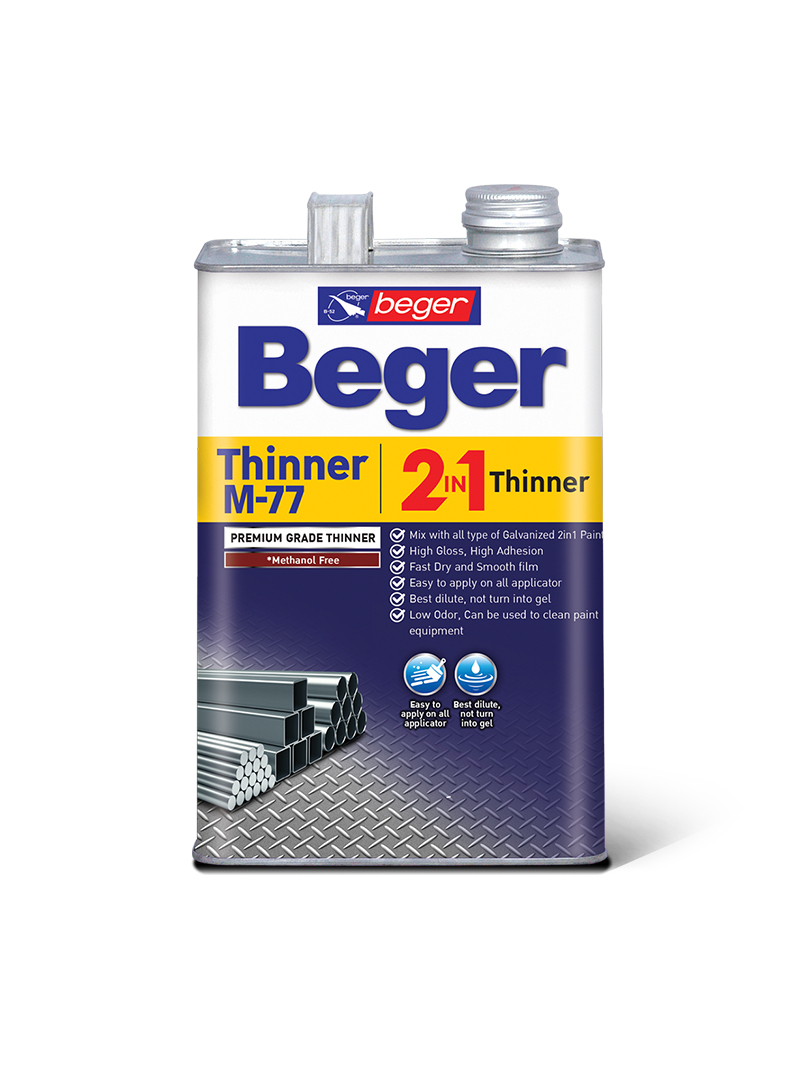
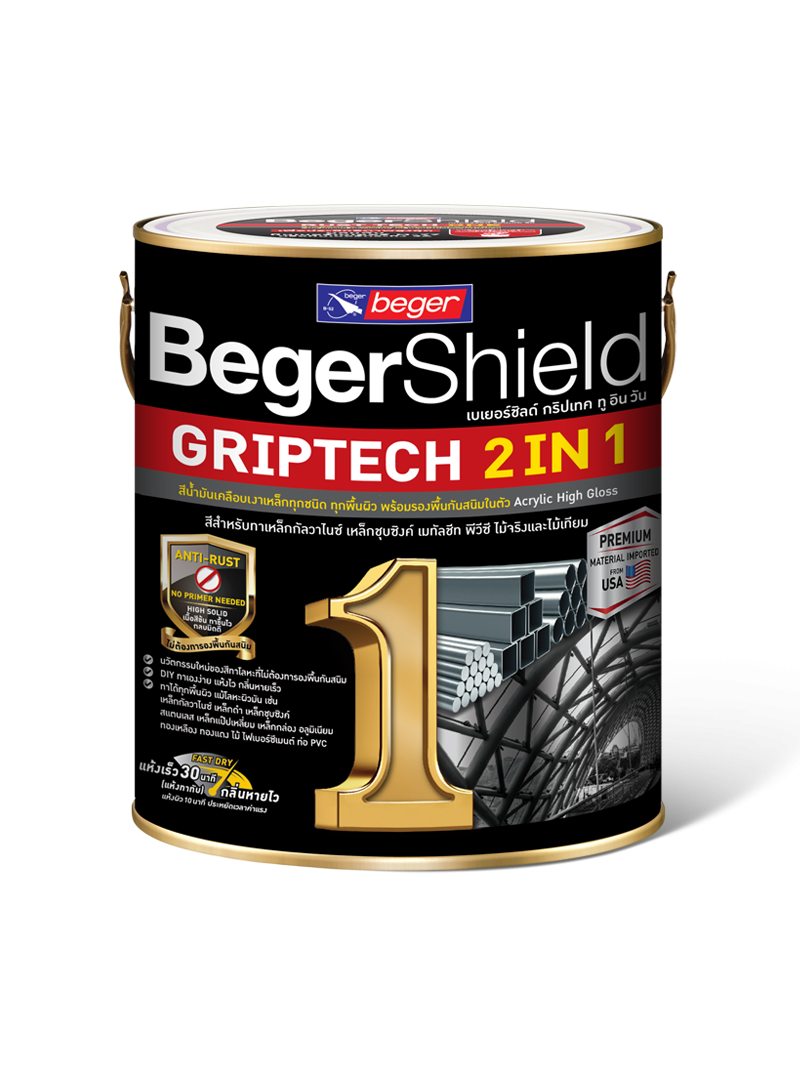
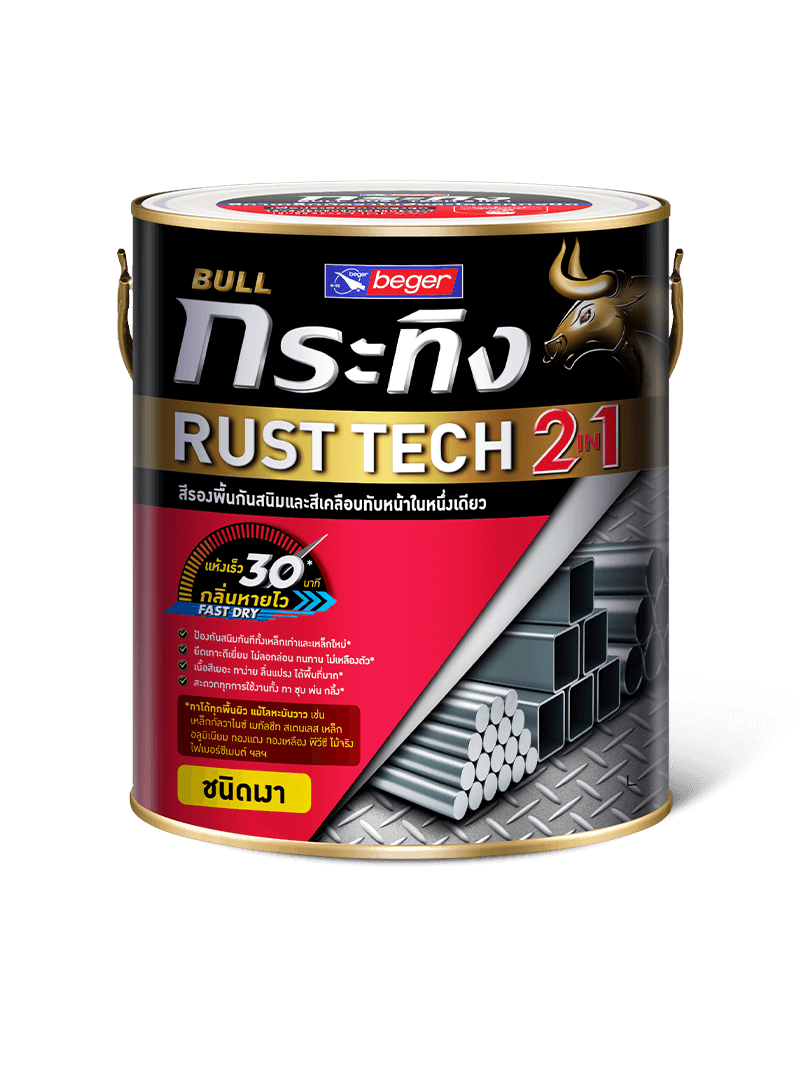
Beger Thinner M-77
Beger Thinner M-77
|
|
||
|
Suitable for Woodwork paint |
||
|
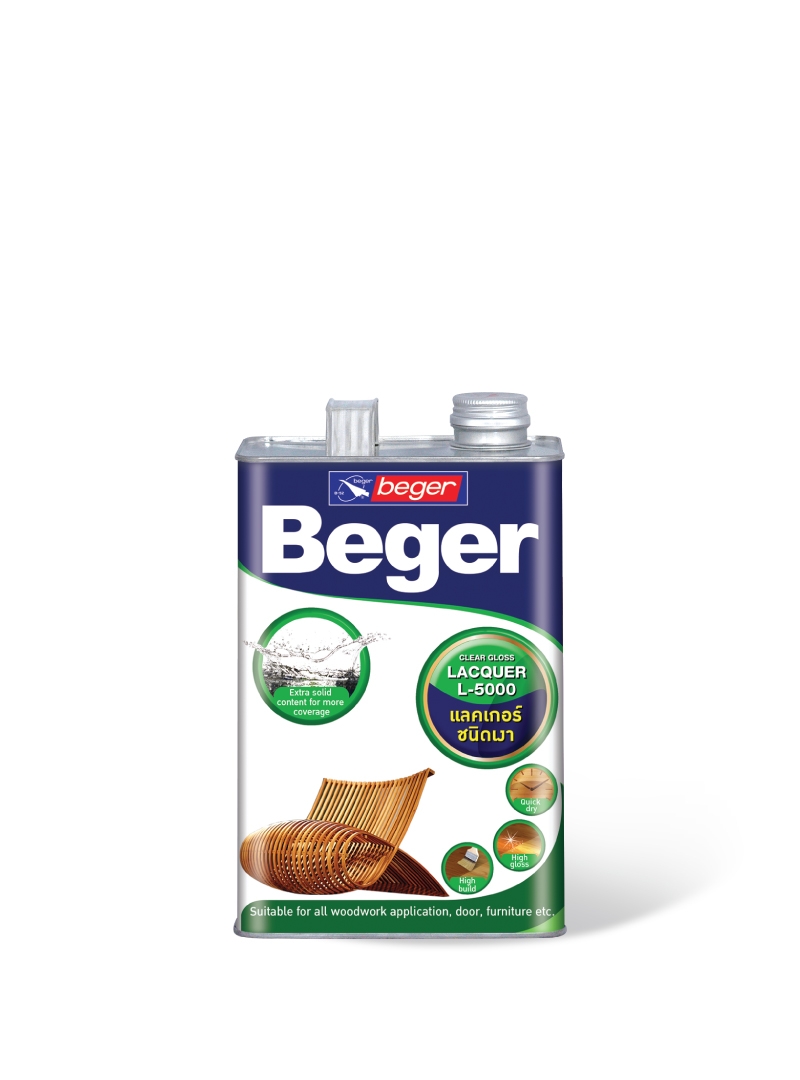
Beger Lacquer L-5000 |
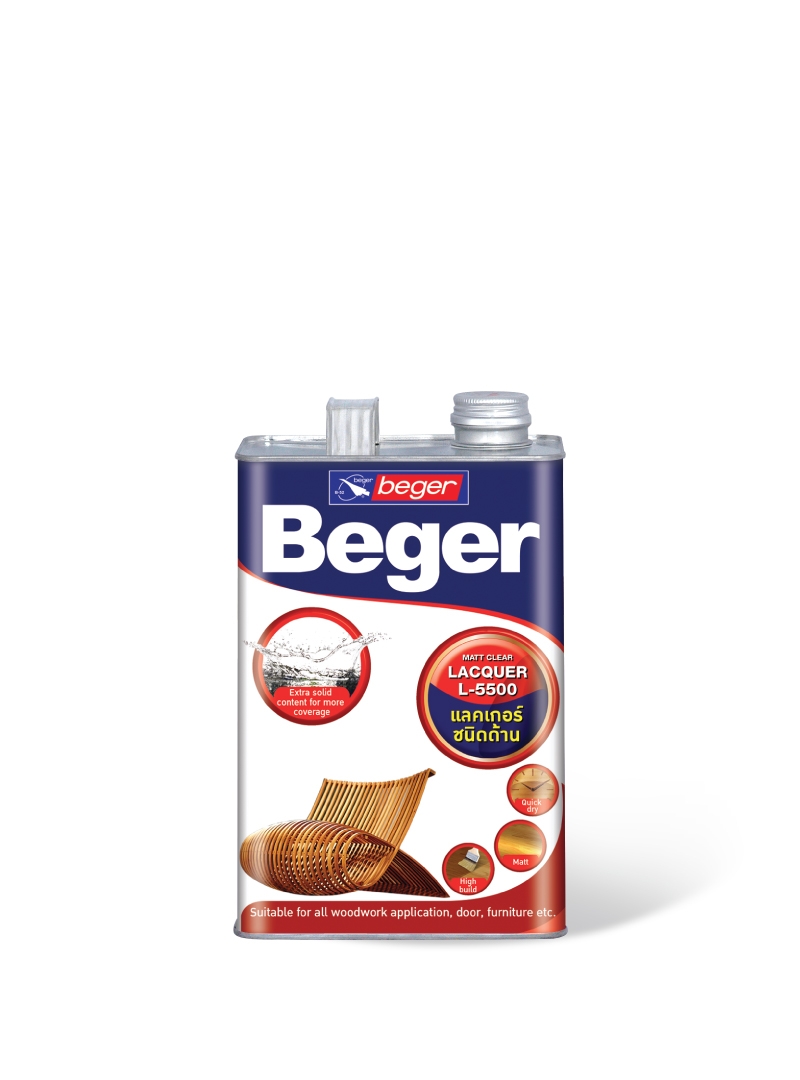
Beger Lacquer L-5500 |
|
|
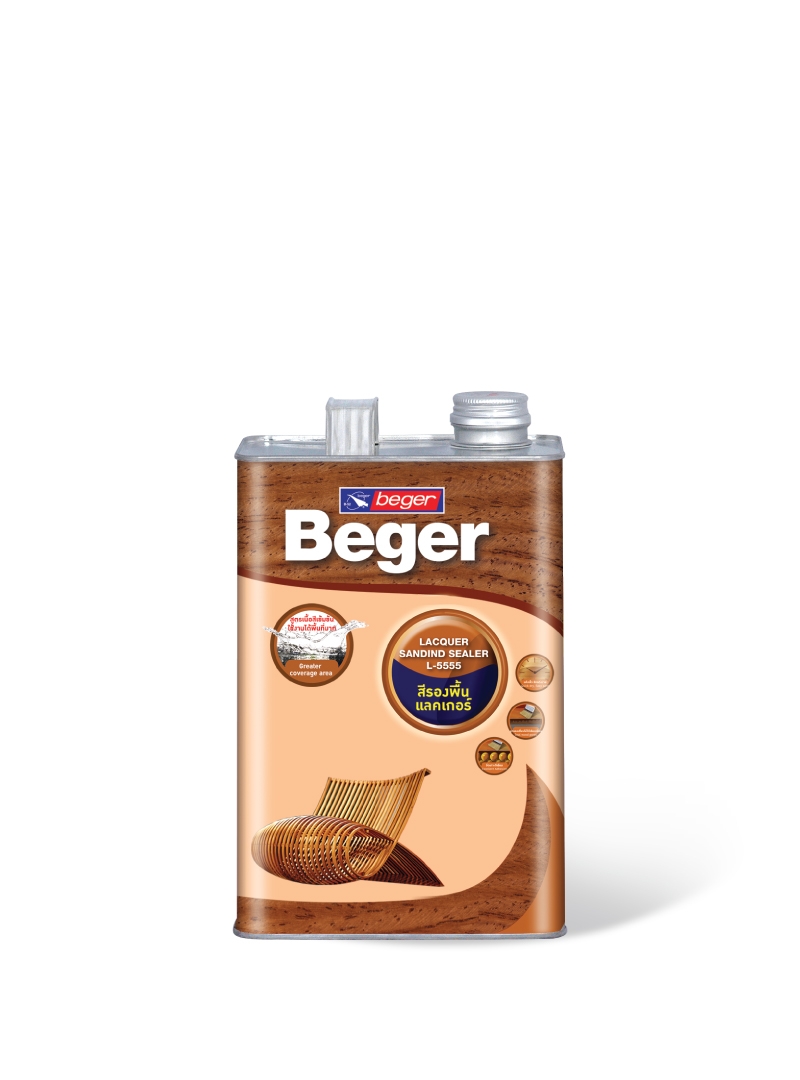
Beger Sanding Sealer |
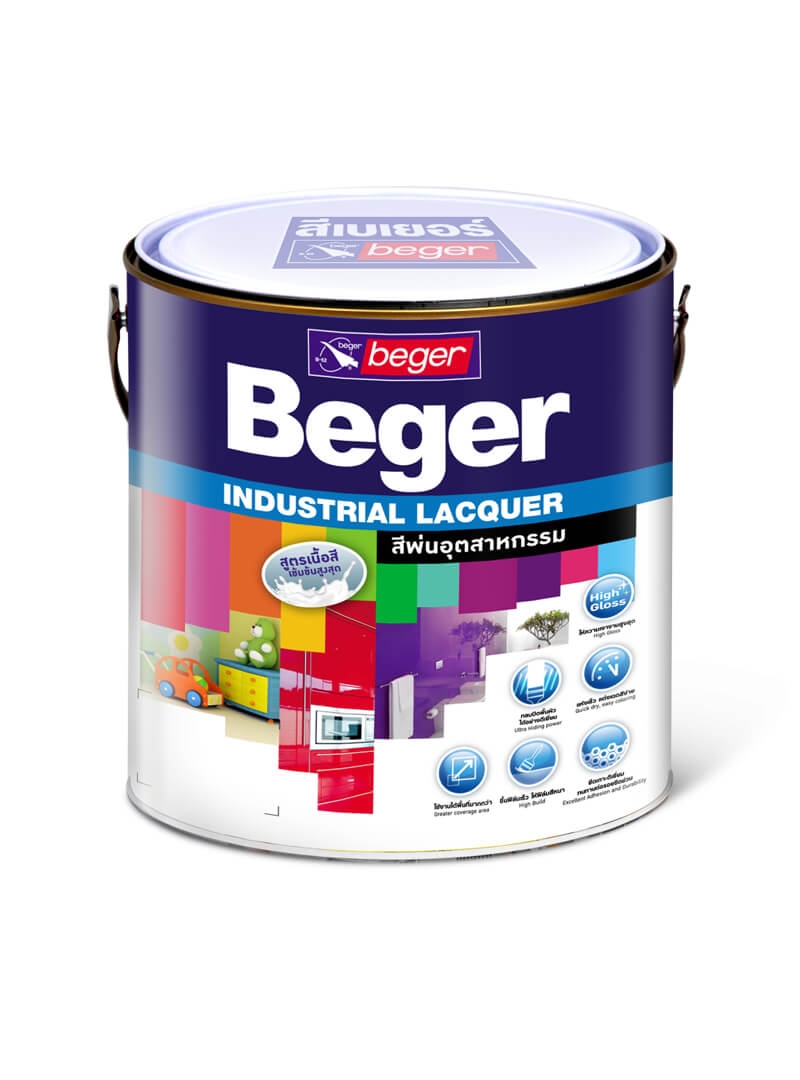
Beger Industrial Lacquer |
|
|
Features and specifications
|
||
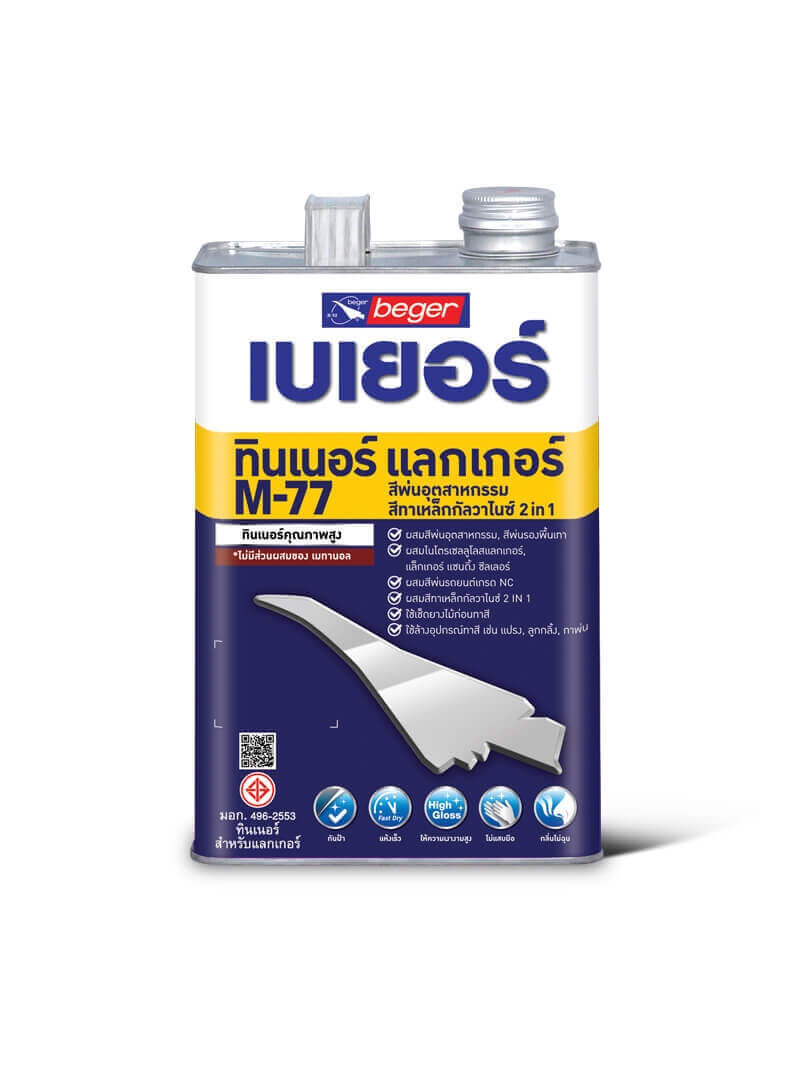
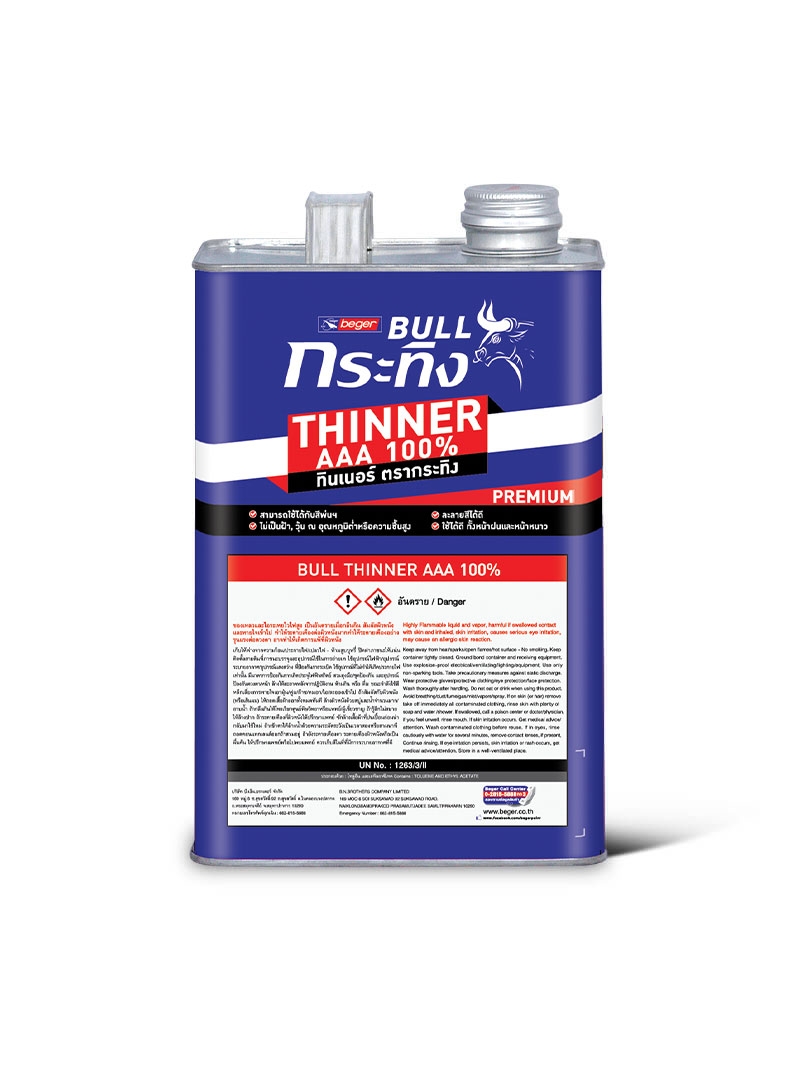
Beger Thinner AAA
Bull Thinner AAA
|
|
|||
|
Suitable for Oil-based paints, metal paints, industrial spray paints, woodwork paints. |
|||
|
Beger Lacquer L-5000 |
Beger Lacquer L-5500 |
Beger Sanding Sealer |
|
|
BegerShield Griptech 2IN1 |
Beger Rust Tech 2IN1 |
Beger Industrial Lacquer |
|
|
Features and specifications
|
|||
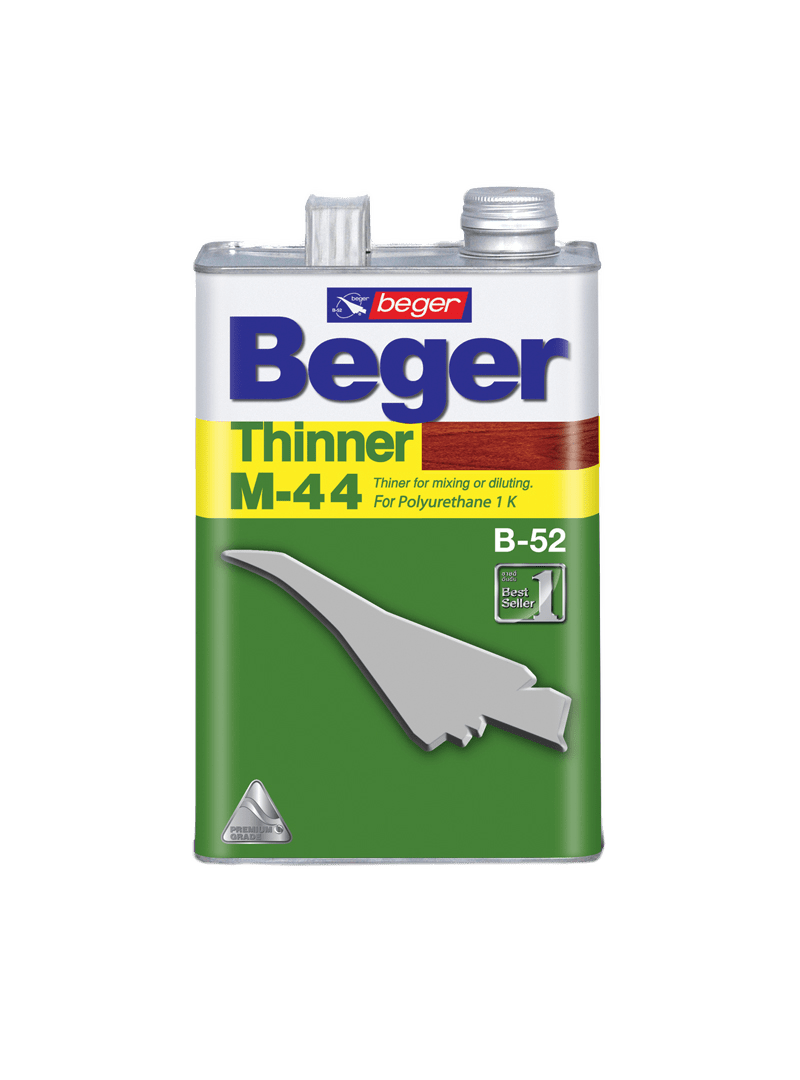
Beger Thinner M-44
Beger Thinner M-44
|
|
|
|
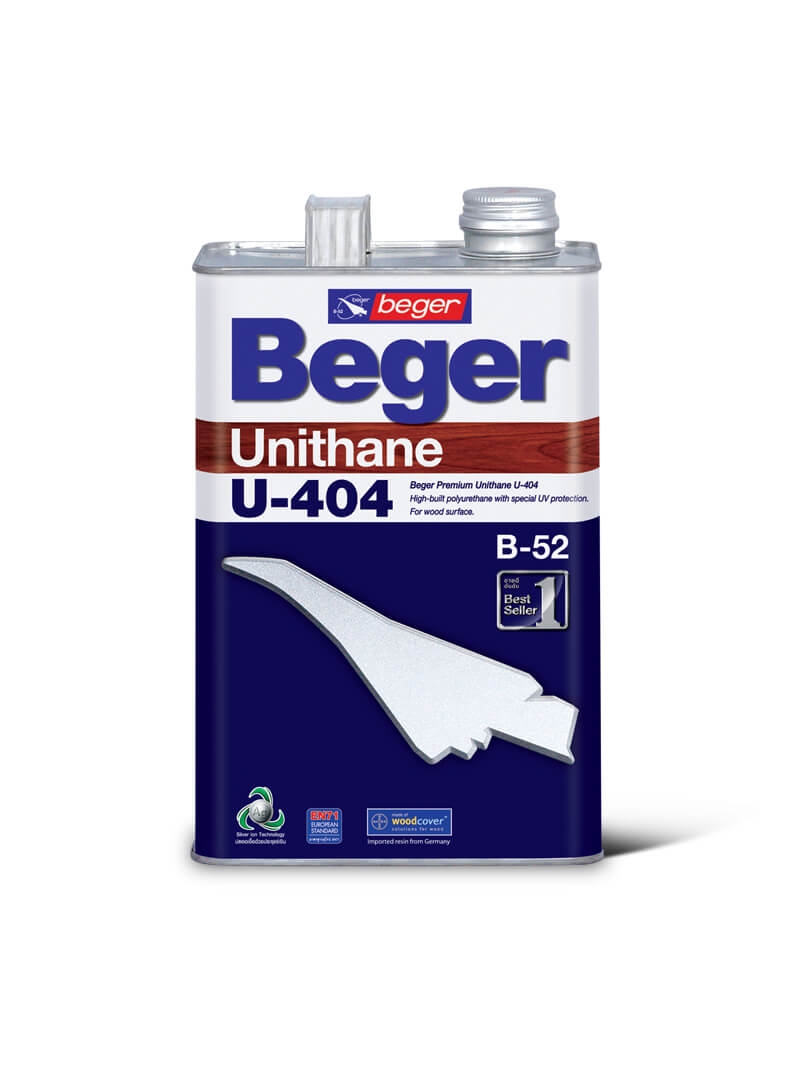
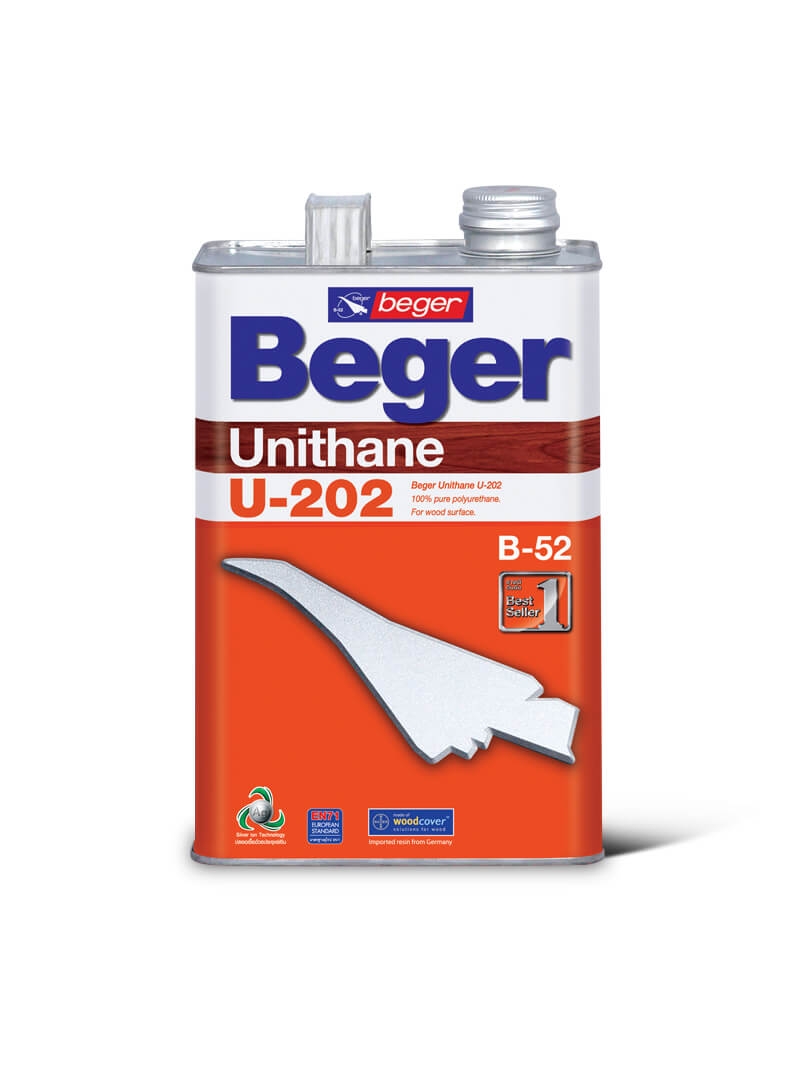
Suitable for Polyurethane wood finish. |
|
|
Beger Unithane U-404 (B-52) |
|
|
Beger Unithane U-202 (B-52) |
|
|
Features and Specifications
|
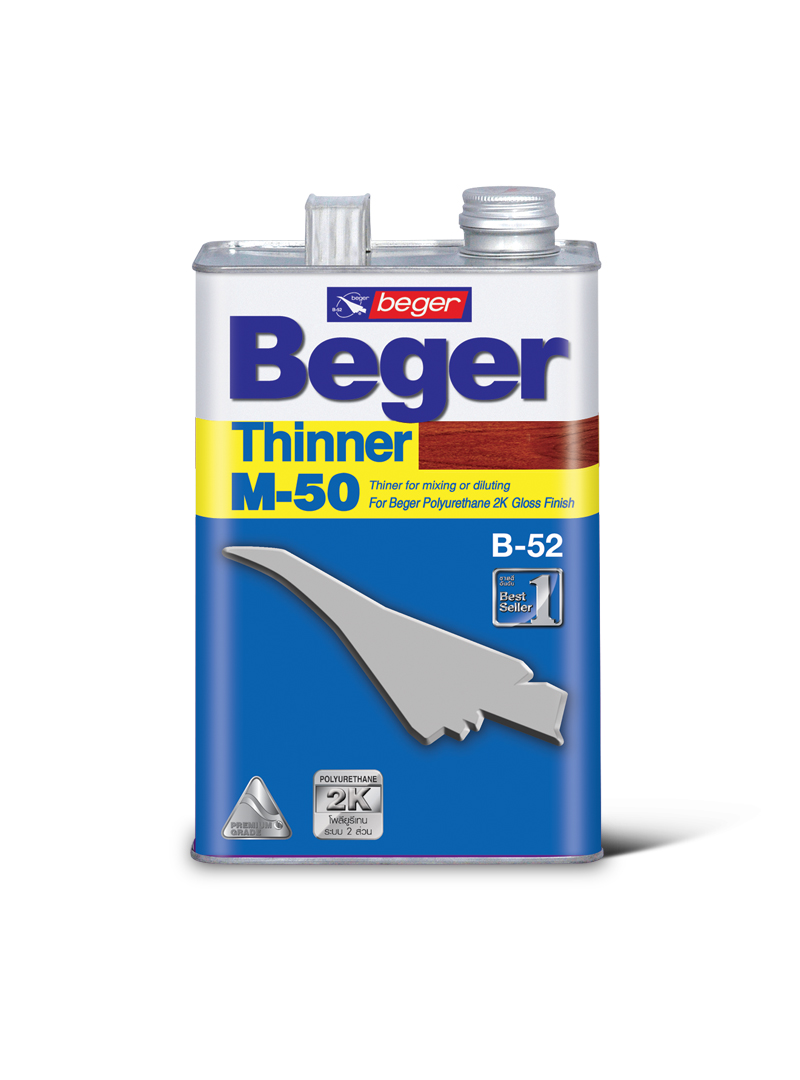
Beger Thinner M-50
Beger Thinner M-50
|
|
||
|
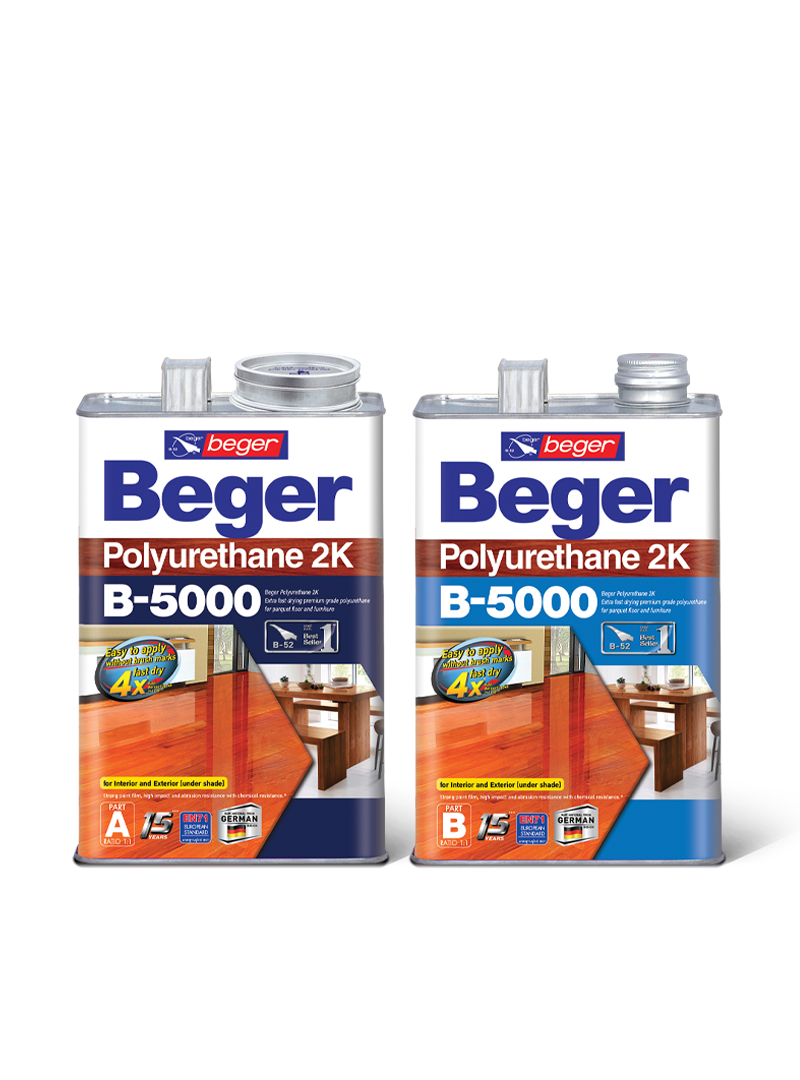
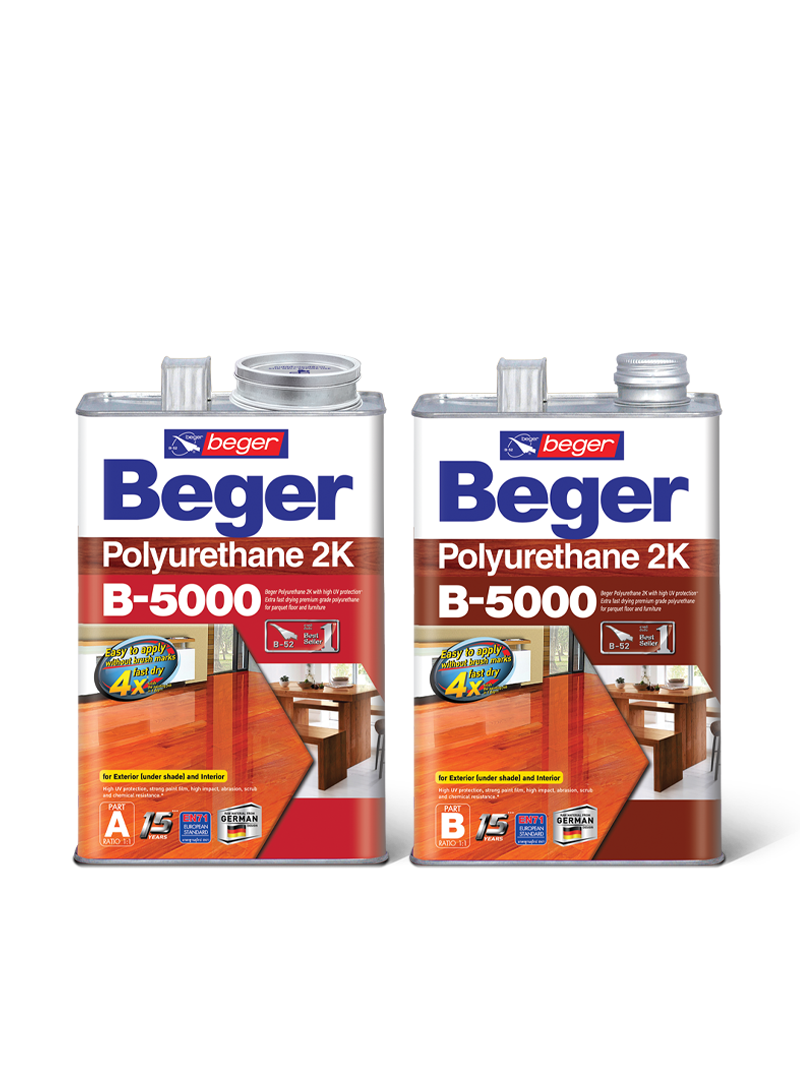
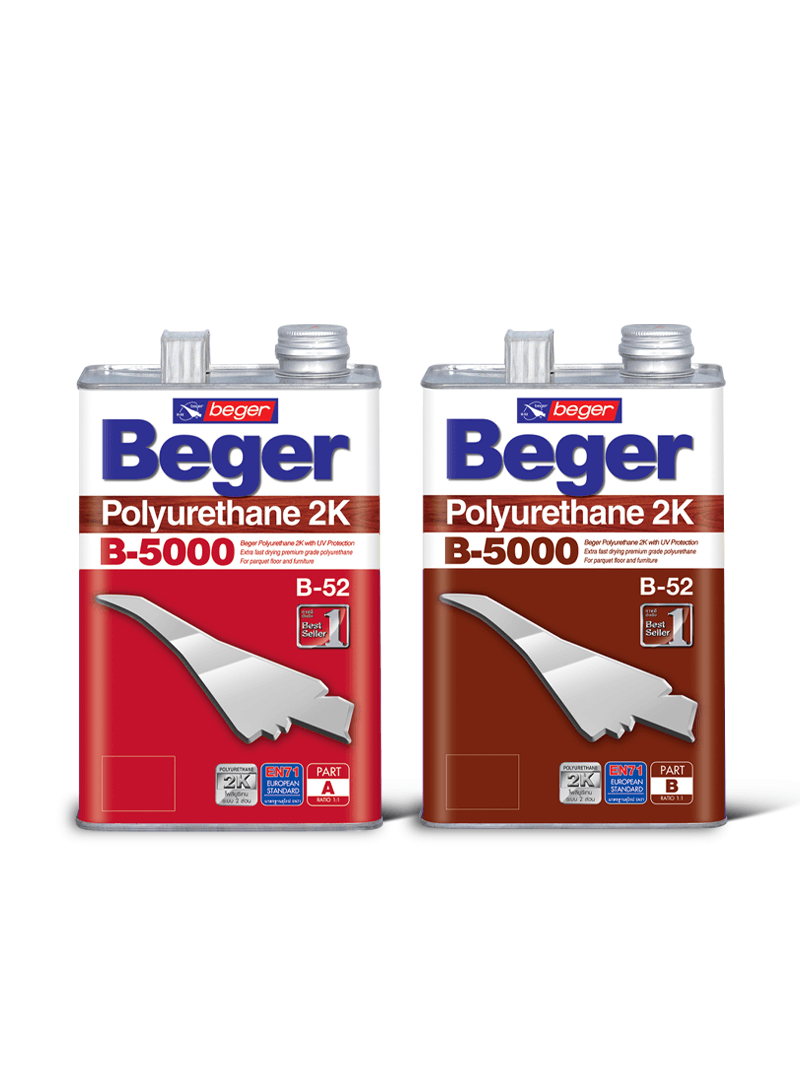
Suitable for Gloss polyurethane |
||
|
Beger B-5000 (I-5XX) |
Beger B-5000 (E-5XX) |
|
|
Beger Sanding Sealer |
|
|
|
Features and Specifications
|
||
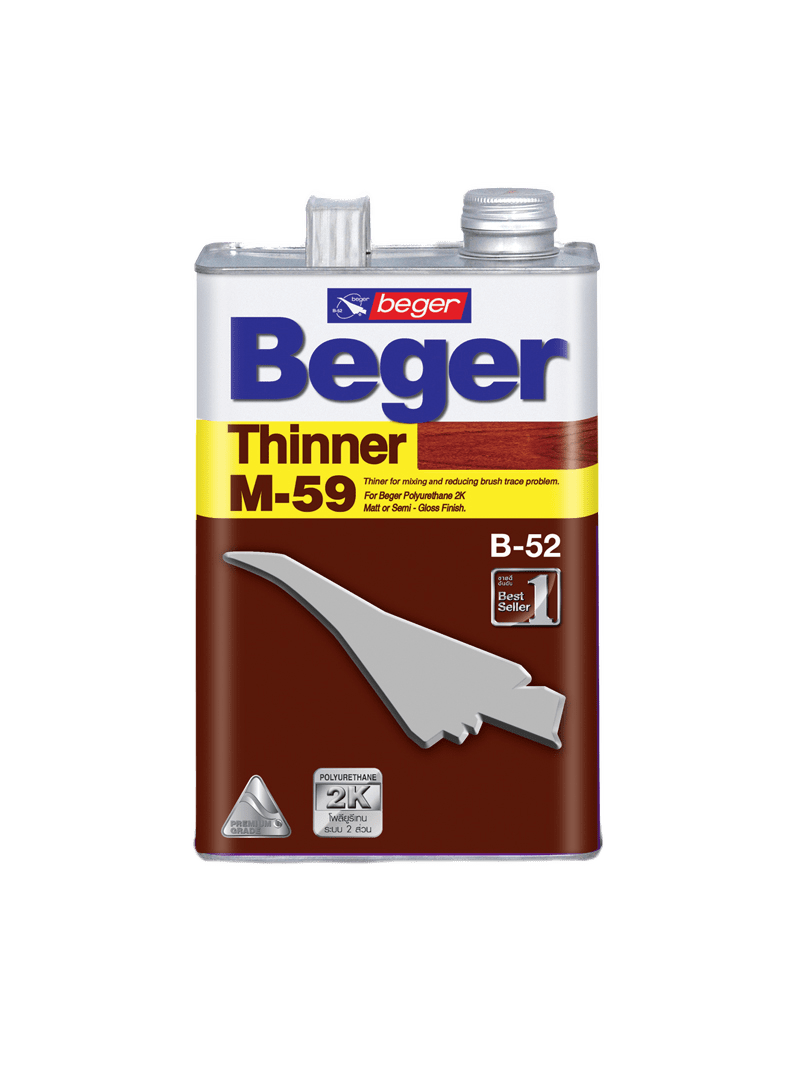
Beger Thinner M-59
Beger Thinner M-59
|
|
|
|
Suitable for Polyurethane and varnish, matte type |
|
|
Beger B-5000 (I-5XX) |
|
|
Beger B-5000 (E-5XX) |
|
|
Features and Specifications
|
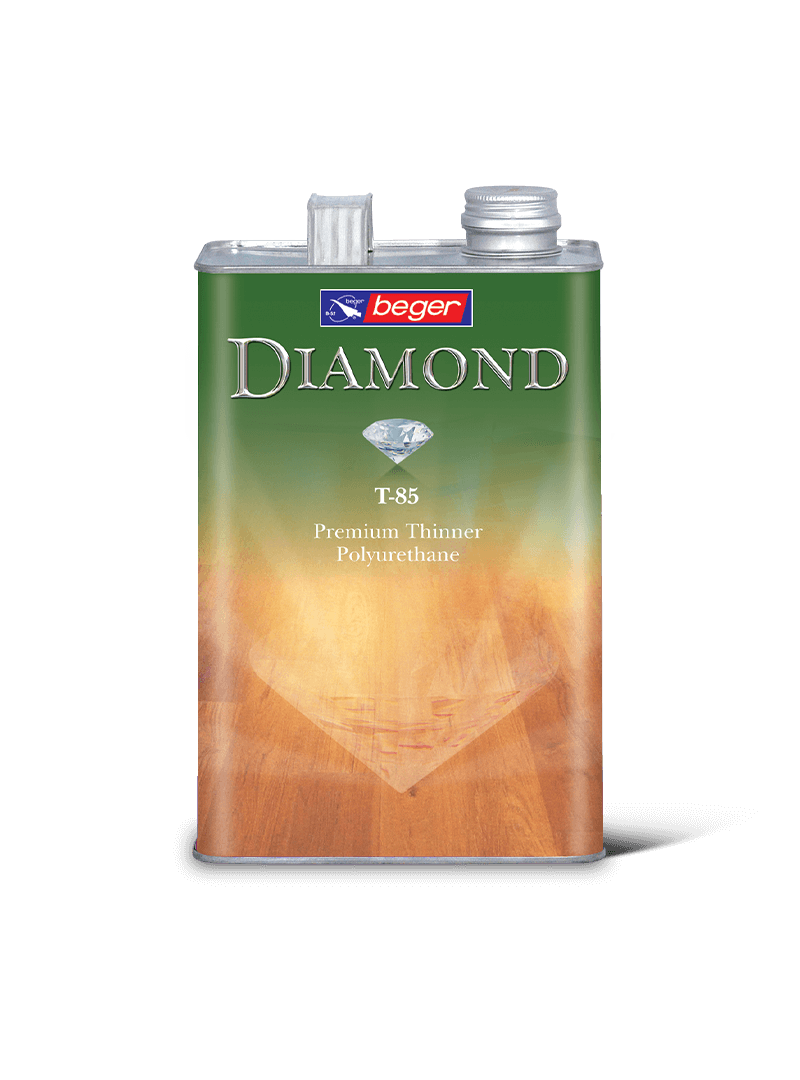
Beger Thinner T-85
Beger Thinner T-85
|
|
|
|
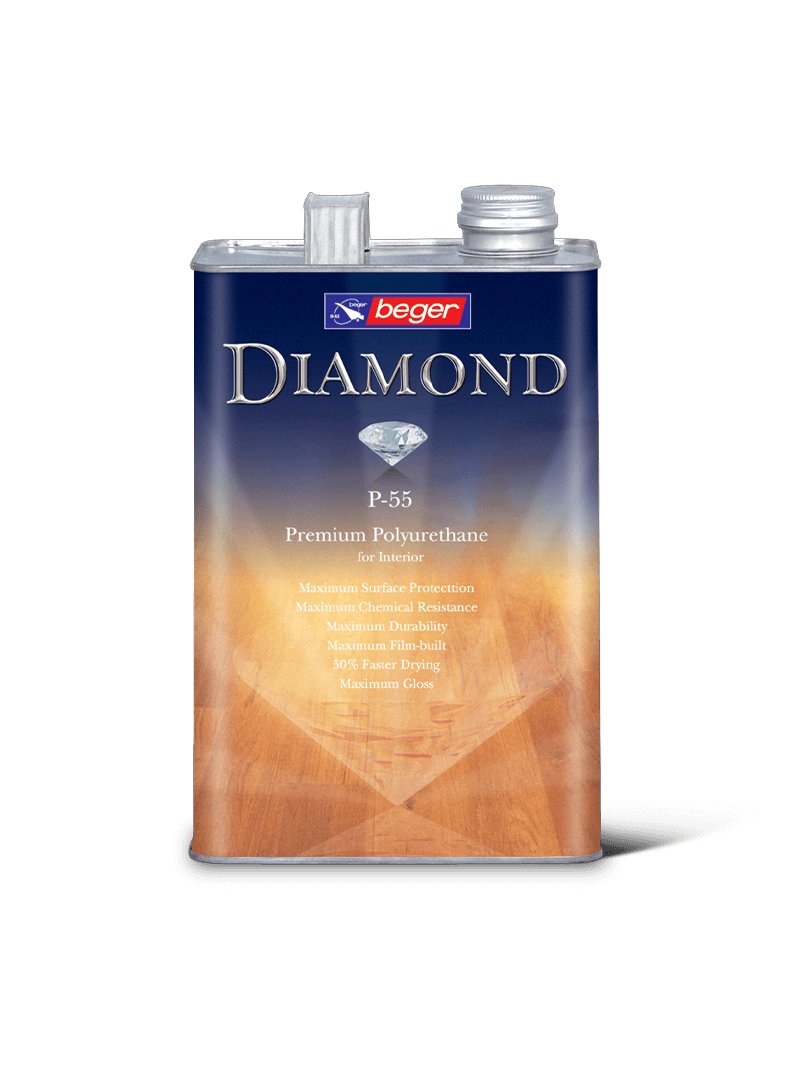
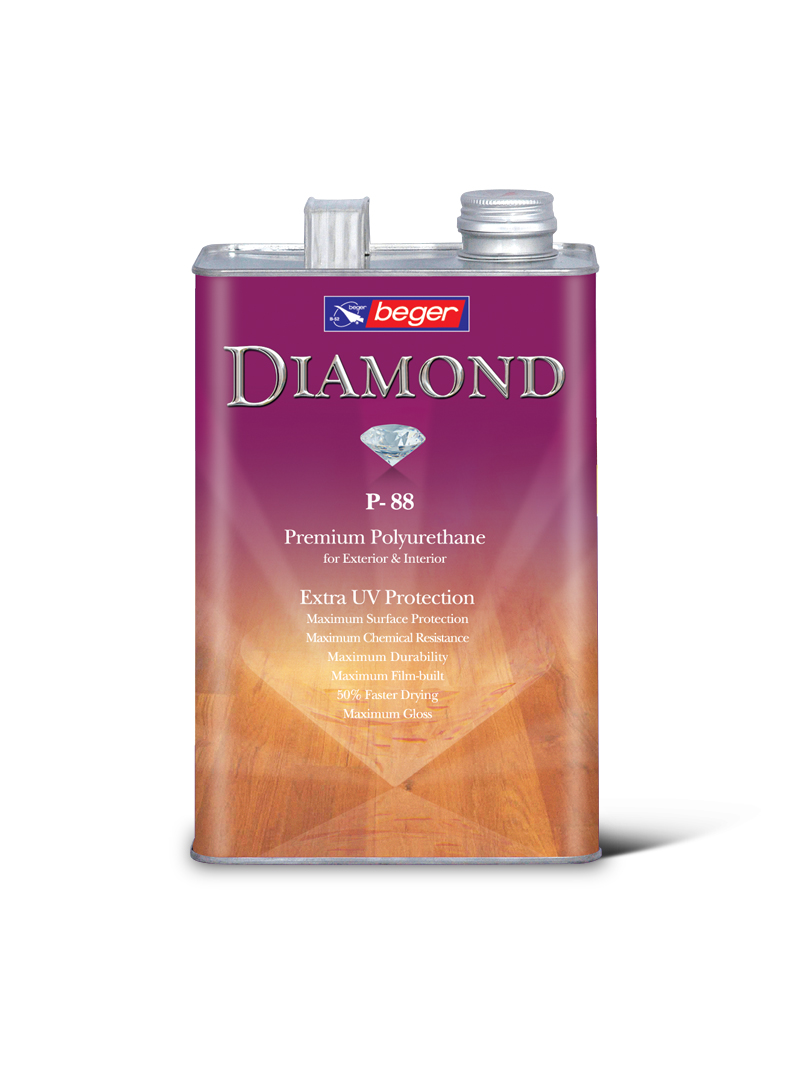
Suitable for Polyurethane for wood flooring |
|
|
Beger Diamond Premium Polyurethane P-55 |
|
|
Beger Diamond Premium Polyurethane P-88 |
|
|
Features and specifications
|
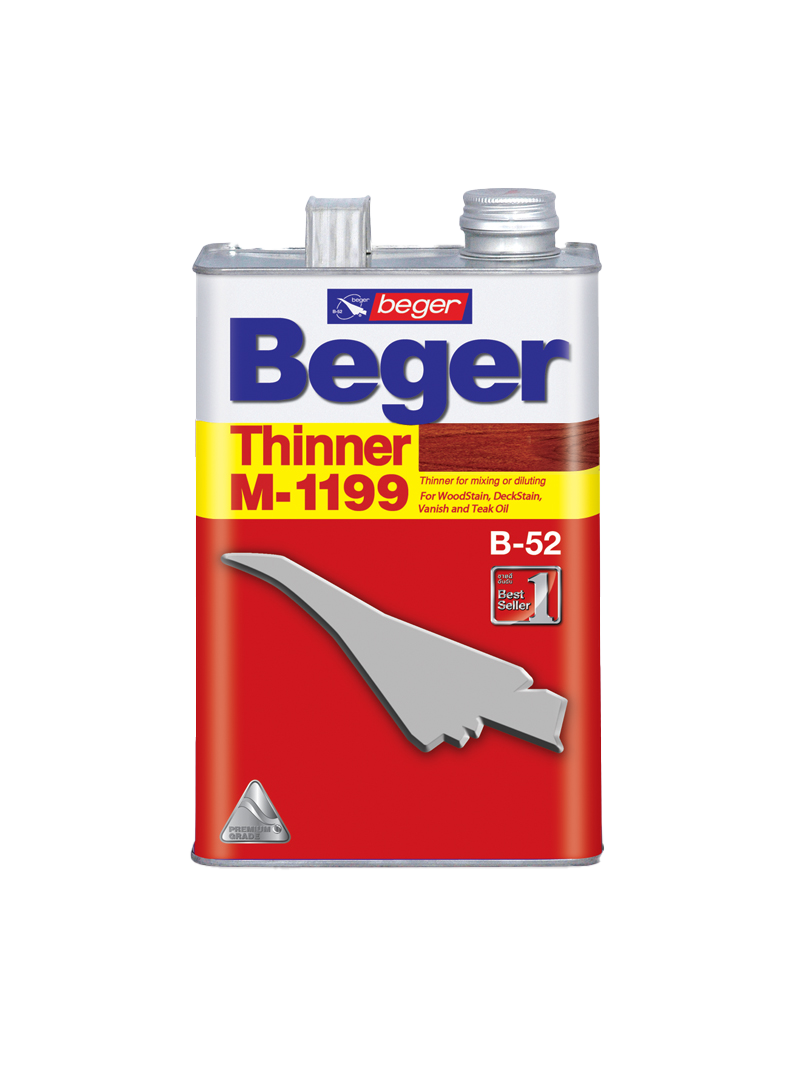
Beger Thinner M-1199
Beger Thinner M-1199
|
|
|||
|
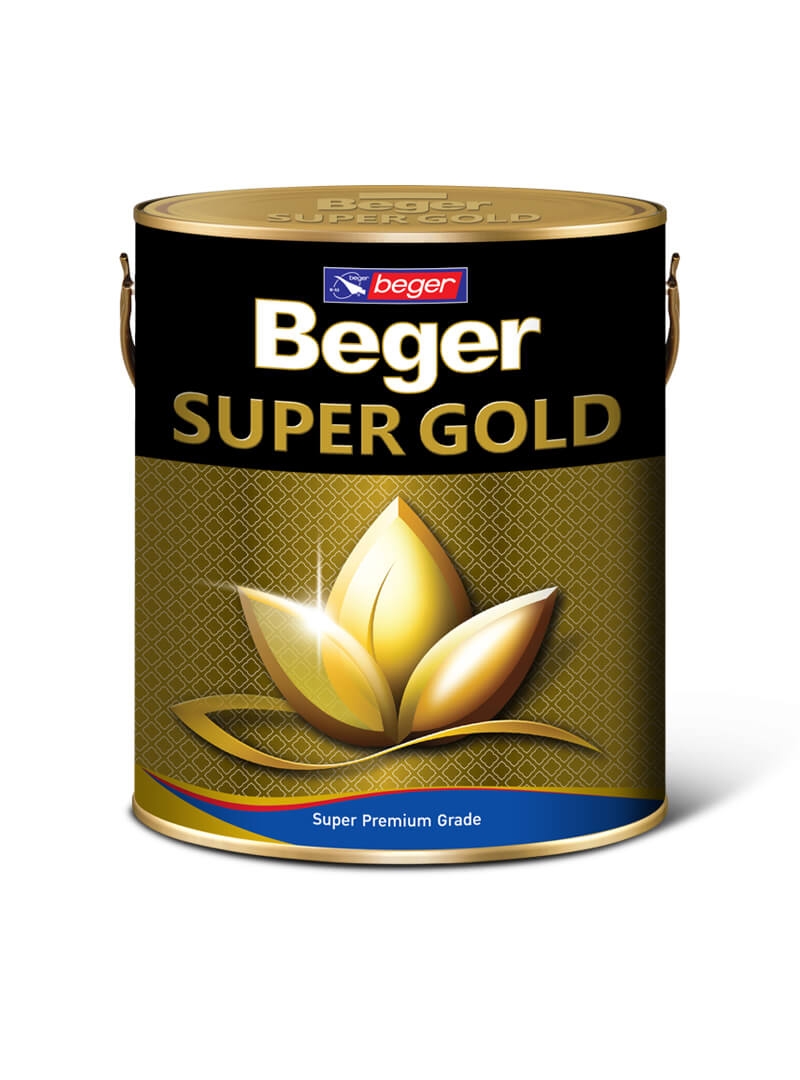
Suitable for Woodwork paints and oil-based gold paints |
|||
|
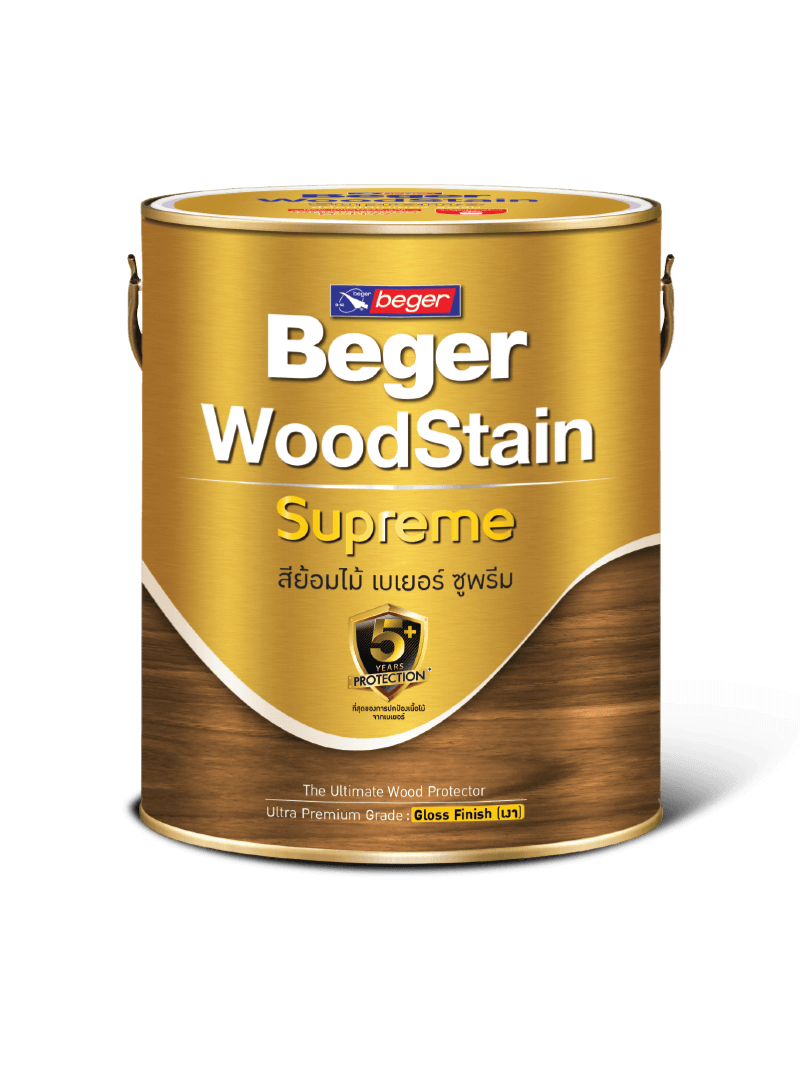
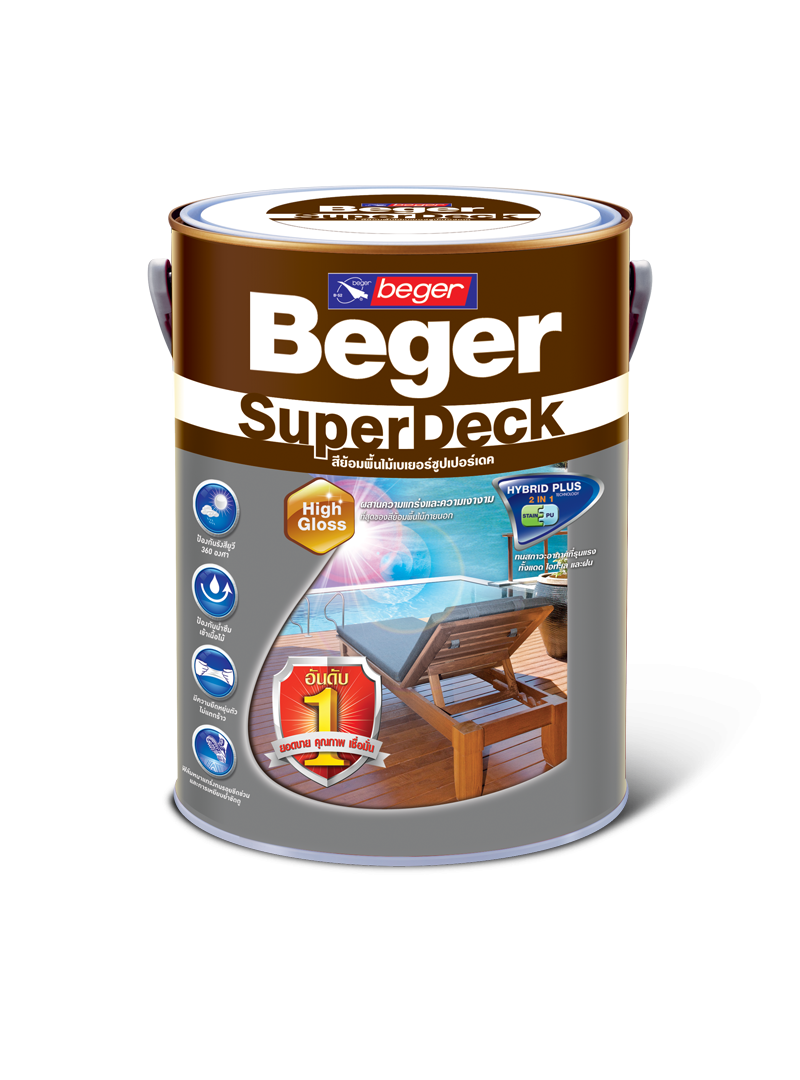
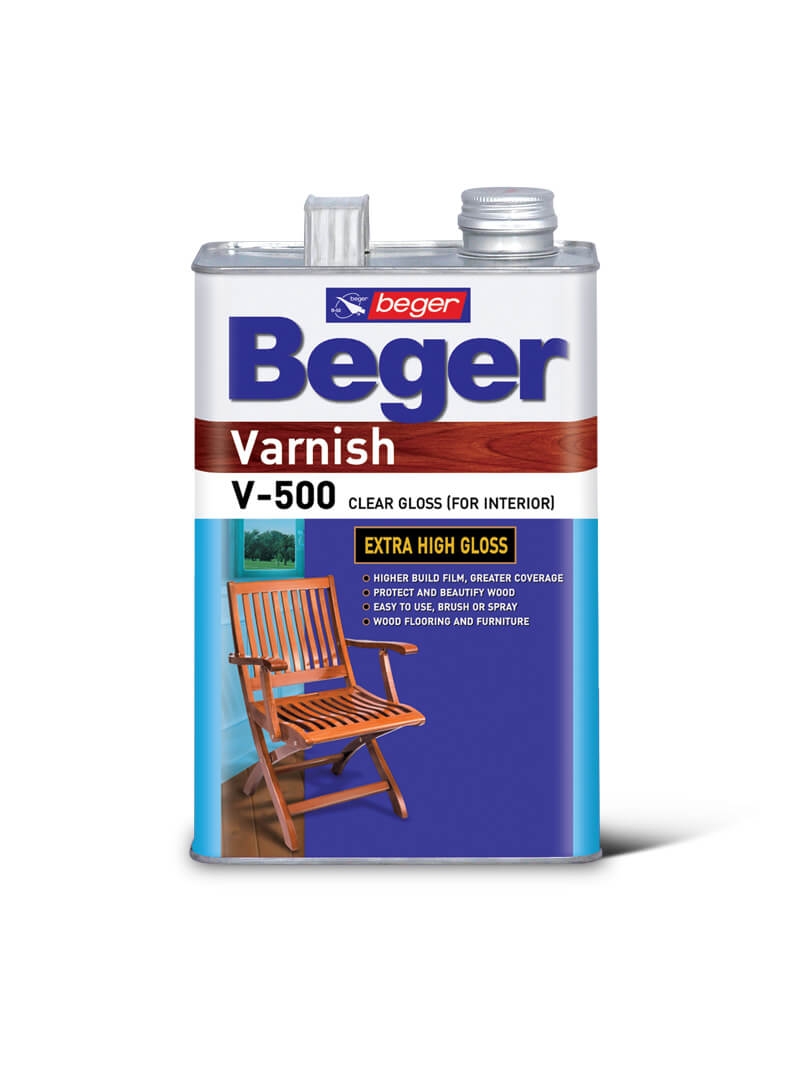
Beger Supreme |
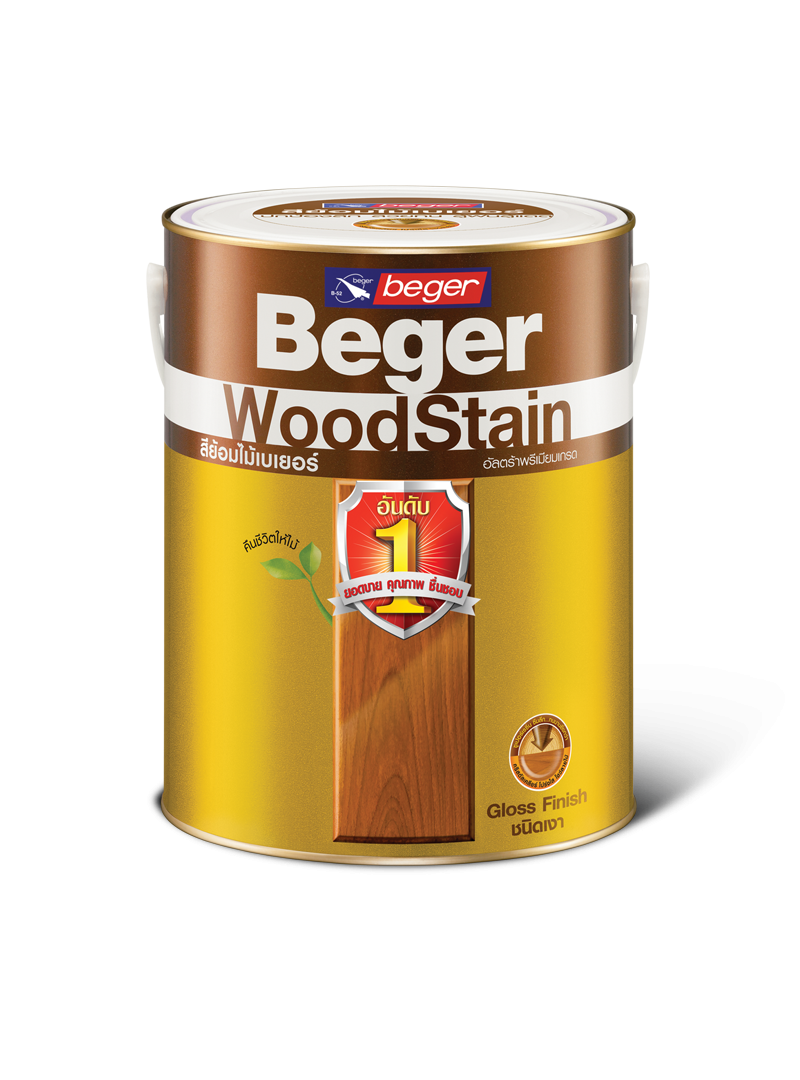
Beger WoodStain |
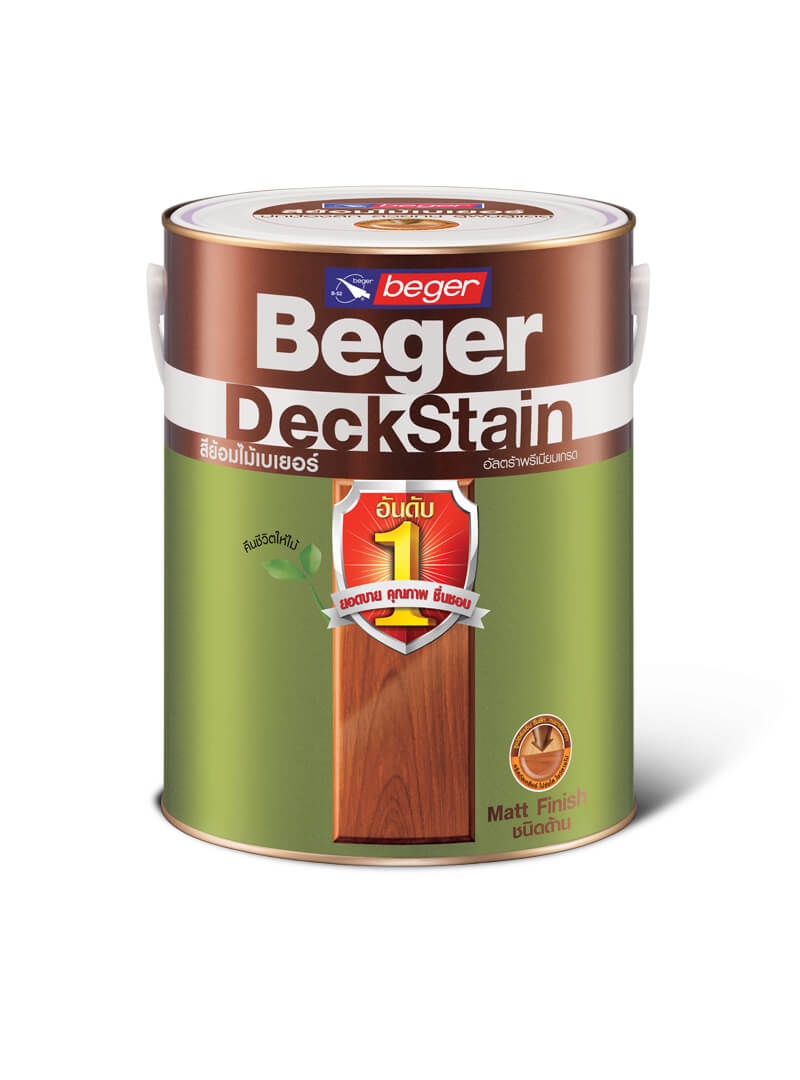
Beger DeckStain |
|
|
Beger SuperDeck |
Beger Varnish |
Beger SuperGold |
|
|
Features and specifications
|
|||
Beger Thinner M-1188
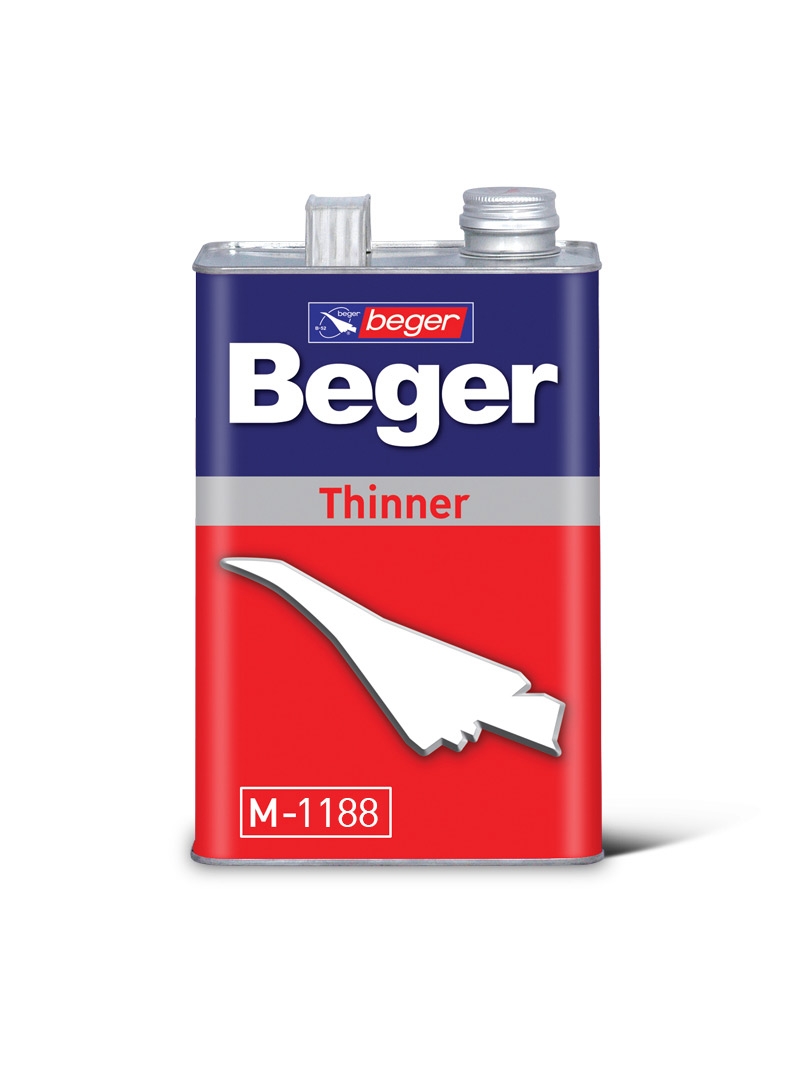
Beger Thinner M-1188
|
|
|
|
Suitable for Oil paint and gold paint oil formula |
|
|
Beger SuperGold |
|
|
|
|
|
Features and specifications
|
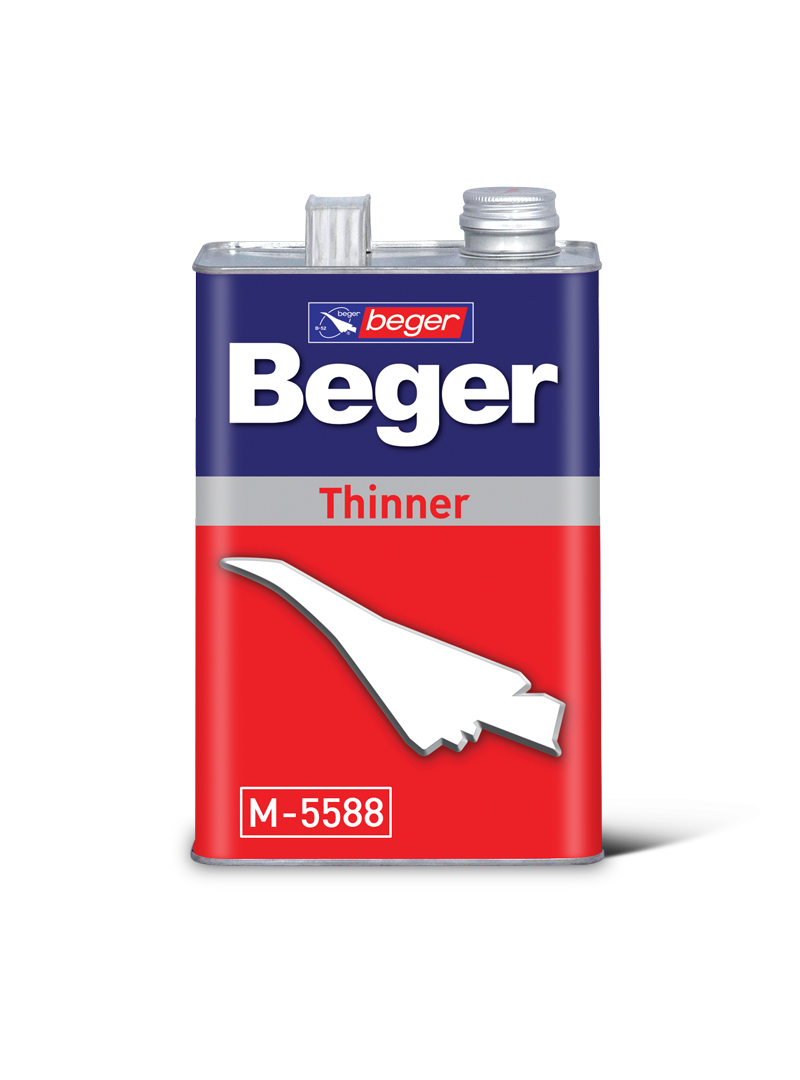
Beger Thinner M-5588
Beger Thinner M-5588
|
|
|
|
Suitable for Gold color and industrial spray paint |
|
|
Beger SuperGold |
|
|
Beger Industrial Lacquer |
|
|
Features and specifications
|
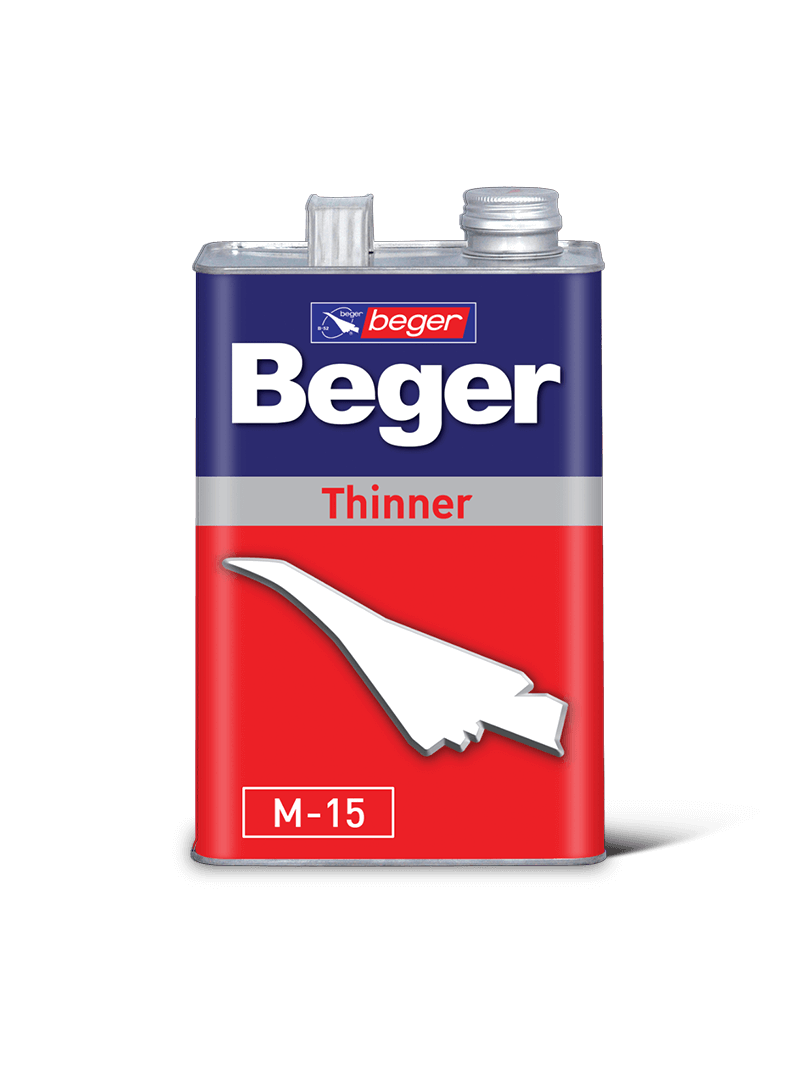
Beger Thinner M-15
Beger Thinner M-15
|
|
|||
|
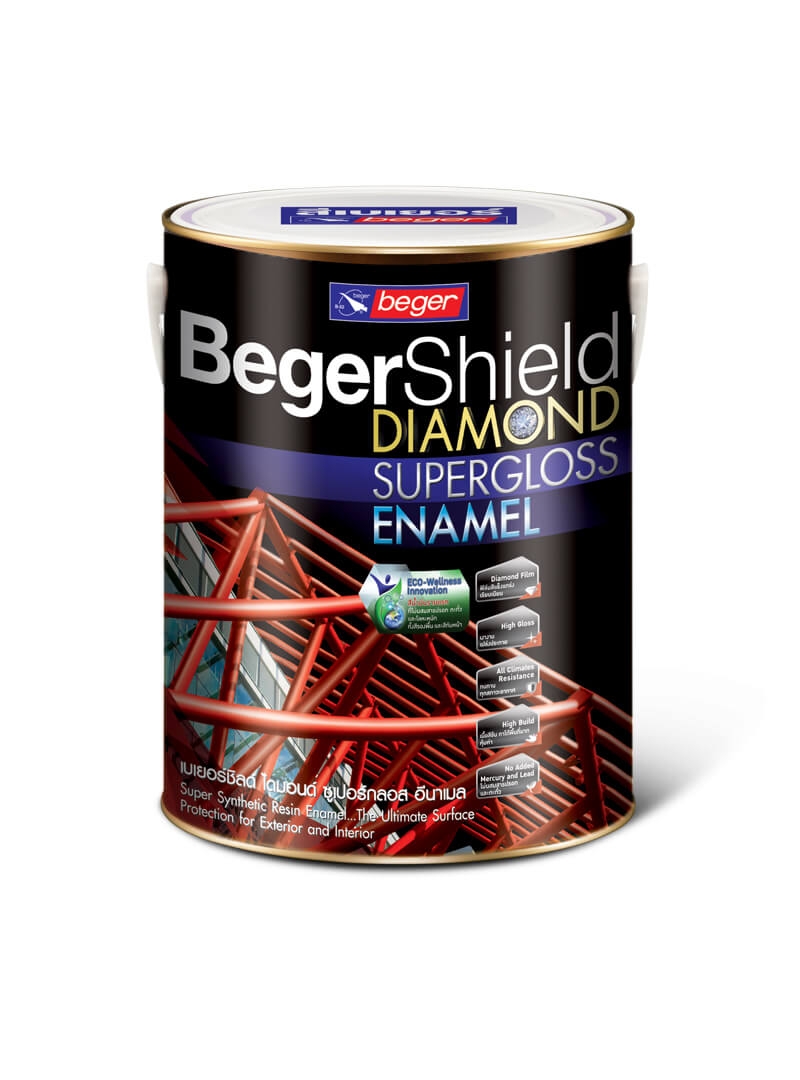
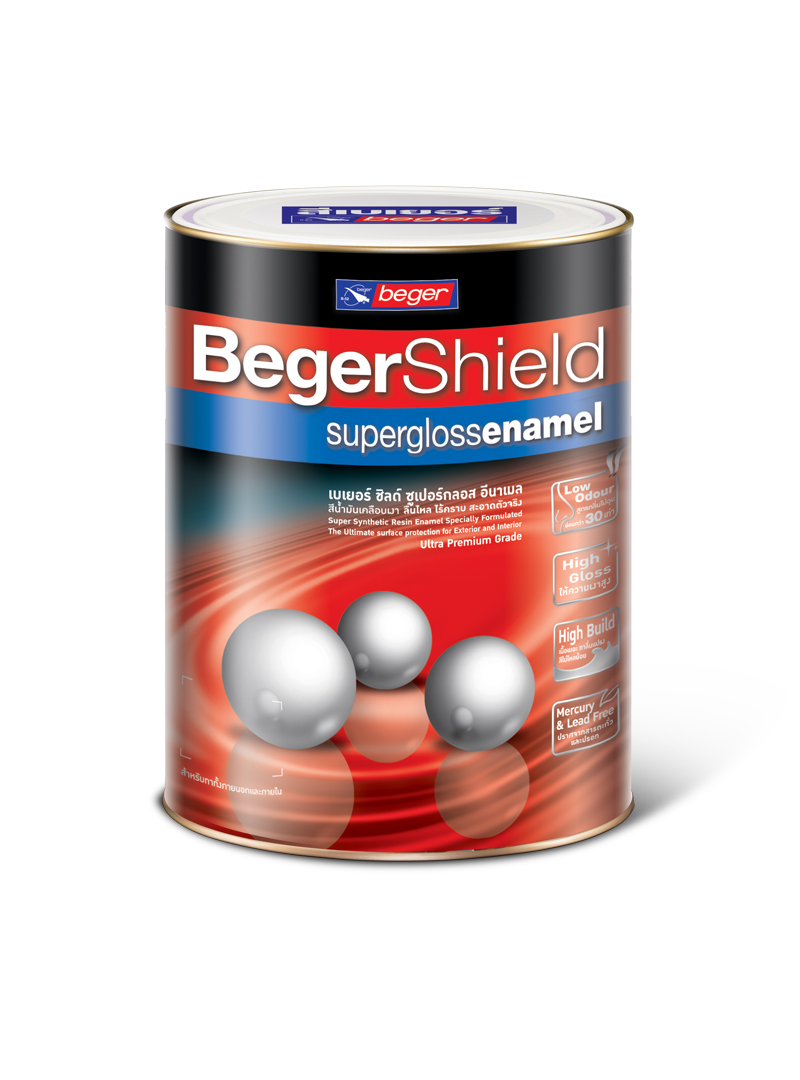
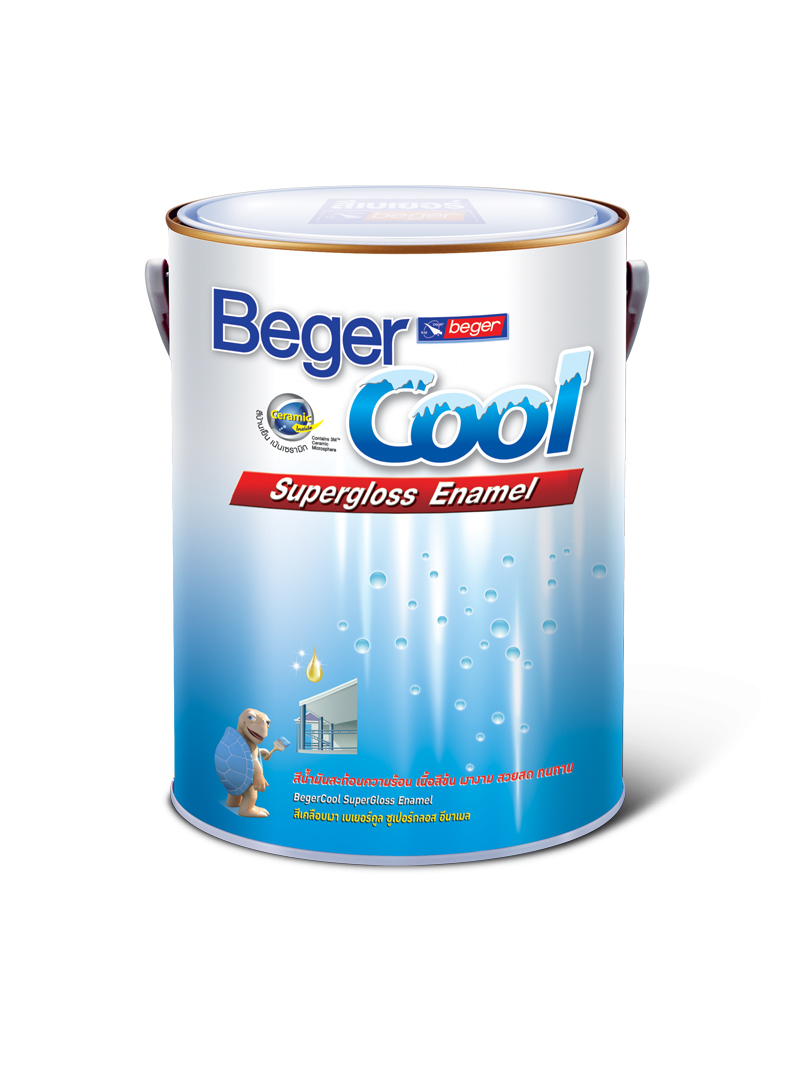
Suitable for Oil paint, gloss enamel, and oil-based primer. |
|||
|
BegerShield Diamond |
BegerShield SuperGloss |
BegerCool SuperGloss |
|
|
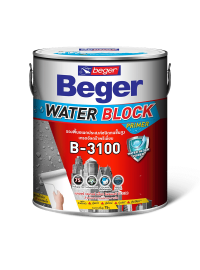
Beger Primer B-3100 |
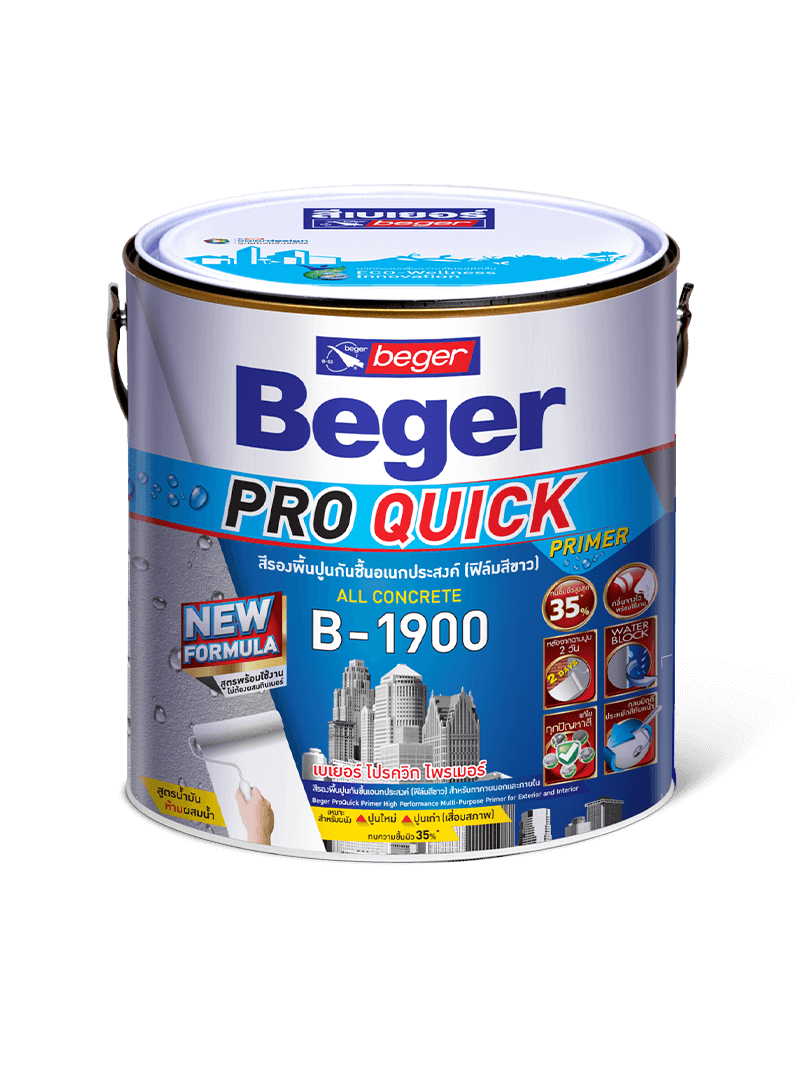
Beger Primer B-1900 |
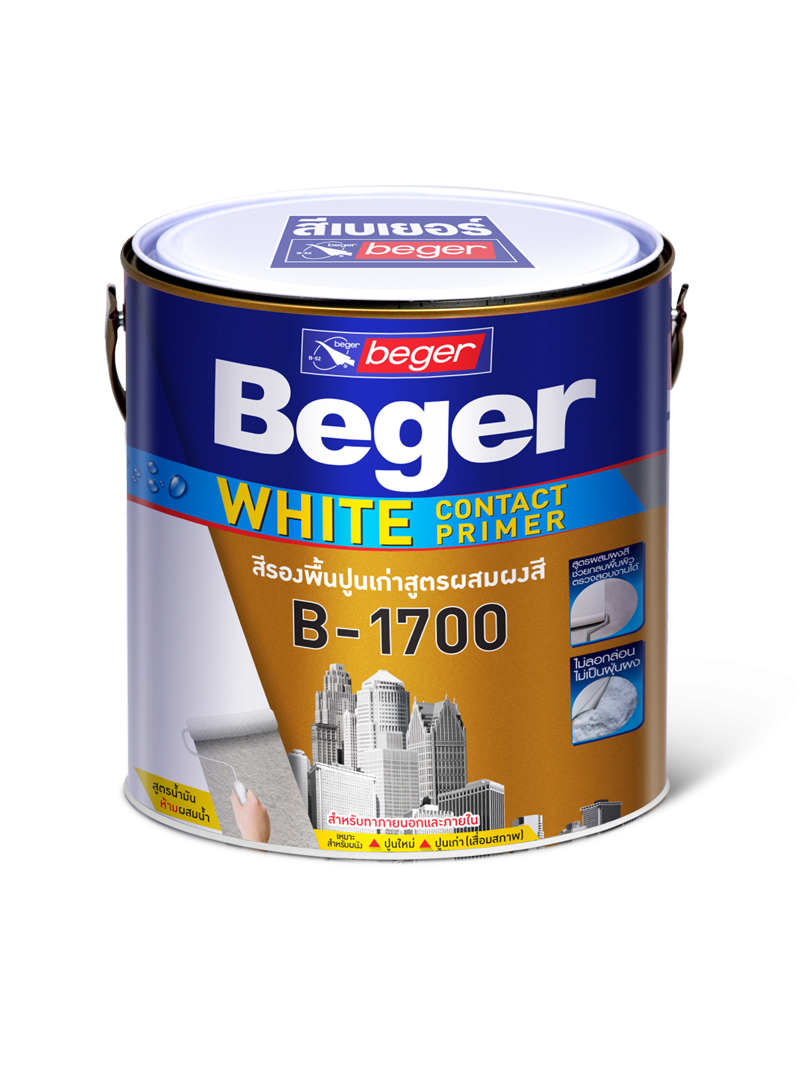
Beger Primer B-1700 |
|
|
Features and Properties
|
& | ||