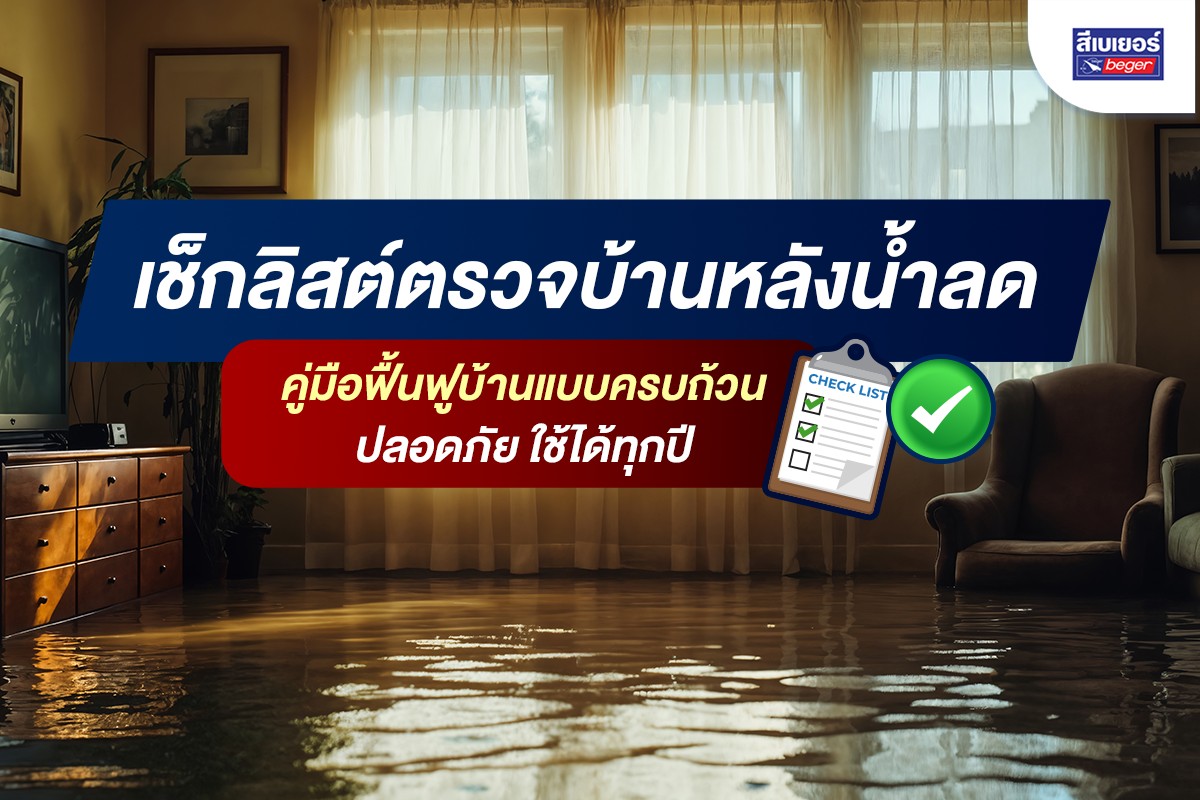
When the flooding event has passed, homeowners face not only visible damage but also the problem of “hidden moisture and dirt,” which can escalate into significant long-term issues such as peeling paint, warped floors, mold on walls, electrical system failures, or rust on the house’s structure.
This article has been created as a ” post-flood checklist guide” that is easy to read, actionable, and applicable every time flooding occurs. It helps homeowners inspect and restore their homes safely, thoroughly, and better prevent future problems.
Post-Flood Checklist
1. Check safety before entering the house after the flood.
Why check safety first?
Because inside the house after the flood is often filled with unexpected risks, such as damp electrical systems, slippery floors from mud, reptiles that came with the water, or items that have shifted due to the force of the water. Entering to inspect without caution can easily lead to danger.
What to do before entering the house
- Wear boots, gloves, a mask, and protective clothing.
- Use a flashlight to inspect low-light areas or under furniture.
- Turn off the main electrical supply before entering.
- Take photos of the damaged areas of the house for assessing costs or insurance claims.
- Clear debris, mud, and leaves from gutters and drainage pipes to prevent water backup.
Preparing and assessing safety before entering is the first step to the most correct home repair.
2. Inspect the house’s structure, foundation, beams, walls, and floors.
Why is this section a top priority?
Because the structure is the heart of the house. If there is hidden damage, no matter how well the exterior is repaired, it won’t help the house regain its strength. If the structure is weak, it could pose dangers in the future, such as wall collapses, cracked beams, or sinking floors.
Key points to check
- Concrete walls: Cracks, bulges, loose plaster, or water stains reaching what level.
- House floors: Warped floors, swollen wood, loose tiles, or sinking floors.
- Foundation: Soil subsidence or the formation of voids beneath the ground
- Columns – Beams: If there are deep cracks or diagonal cracks, it is a sign of structural damage.
Expert Tips
If you notice leaning walls, distorted cracks, or sunken floors, you should immediately call an engineer for a thorough inspection to assess safety before proceeding with repairs to other areas.
3. Inspect the electrical system thoroughly
Why is the electrical system “the most dangerous” after flooding?
Because water and electricity should never come into contact. After the water recedes, moisture may still linger in outlets, wires, switch boxes, or circuit panels, which could lead to electric shocks, short circuits, or electrical fires, even if the house appears dry.
Points to check
- Breakers, electrical panels, and the main house supply
- Outlets and switches with water stains, mud, or rust
- Wires that are frayed, cracked, or brittle
- Electrical appliances that have been exposed to water, such as washing machines, refrigerators, and air conditioners
Important things to know
You should never turn on the electricity yourself until a professional electrician has checked the system for safety, as moisture may be hidden in areas that are not visible, such as inside outlets or circuit panels.
4. Inspect the plumbing system, pipes, and fixtures
Why is it necessary to check the water system after flooding?
Because flooding brings in sediment, dirt, debris, and a large amount of contaminants into the plumbing system, which may cause blockages, backflow odors, or pipe breaks without our knowledge.
Points to check
- Turn on all faucets to test water pressure
- Observe the color or smell of the water
- Check the drainage pipes for foul odors or slow drainage
- Toilets functioning abnormally, draining slowly, or making unusual noises
- Water pumps operating inconsistently after the water recedes
Tips
Clean the water storage tank and replace the filter to reduce the risk of contamination from wastewater.
5. Inspect the roof, gutters, and exterior walls
Why inspect if the roof hasn’t been exposed to water?
Because during flooding, there is often heavy rain, strong winds, or debris impacting the roof or walls without notice. If there is even minor damage, the next rainfall could cause leaks immediately.
Areas to inspect
- Broken, loose, or lifted tiles or roofing sheets
- Ceiling stains, loose nails, or swollen ceiling panels
- Clogged gutters from dirt, mud, or leaves
- Exterior walls with mold stains, mildew, or dark spots from accumulated moisture
6. Cleaning and reducing moisture
Why is “moisture” the enemy after the water recedes?
Because moisture is the root cause of all problems, including peeling paint, mold, mildew, musty odors, and it can cause some materials to deteriorate much faster. Therefore, “before repairing the house, moisture must be eliminated as much as possible.”
Recommended steps
- Sweep away mud and debris first
- Spray to wash away wastewater stains completely
- Use disinfectant to wipe floors and walls
- Open doors and windows to allow air circulation throughout the day
- Use fans and dehumidifiers to help speed up wall drying
If the walls are still damp, it is advisable to delay painting or installing materials, as the problem will quickly recur.
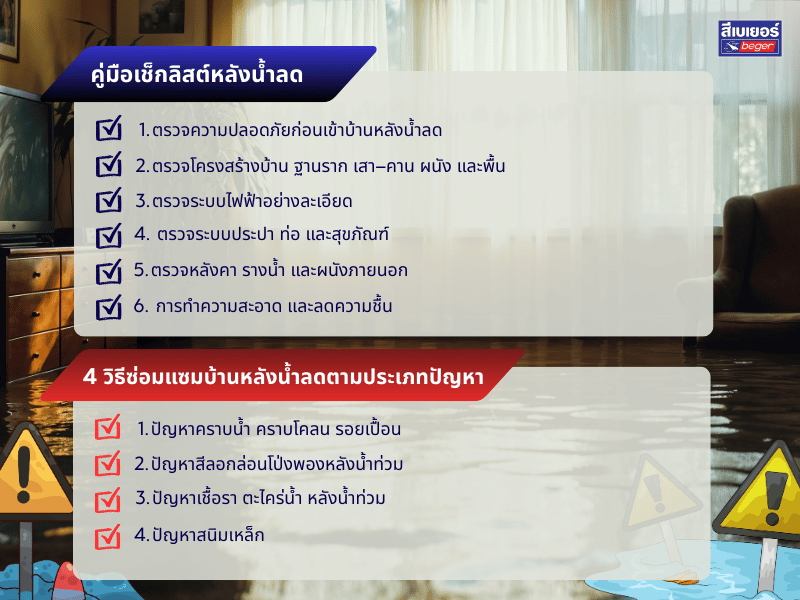
4 methods to repair a house after flooding based on the type of problem
Below is a summary of the “most common” solutions after flooding, along with the correct steps and suitable products.
1. Problems with water stains, mud stains, and blemishes
Dirty stain issues Flooding can cause stains to embed deeply into the concrete. Even after cleaning, the marks may still be clearly visible, especially on light-colored walls. The most effective solution is to repaint according to the system.
**Solution**
- Clean the surface and remove as many stains as possible.
- If there is mold, use a mold remover first.
- Seal cracks and allow to dry.
- Apply a primer for old concrete or multipurpose cement in one coat.
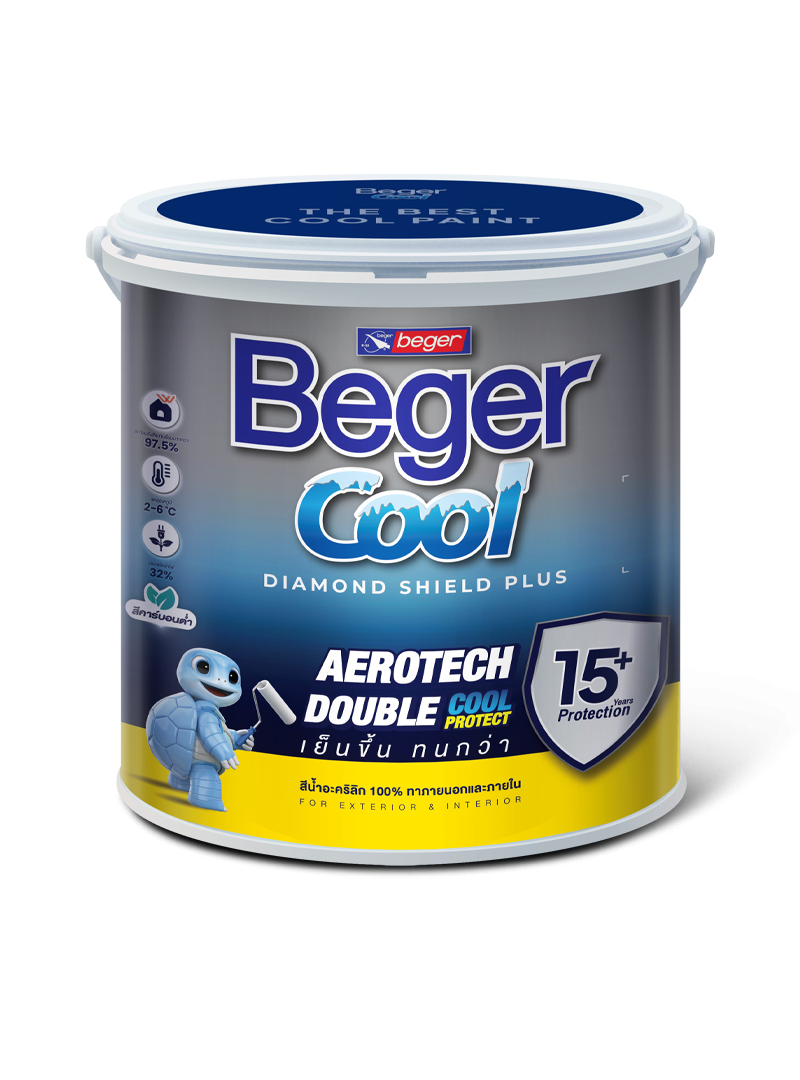
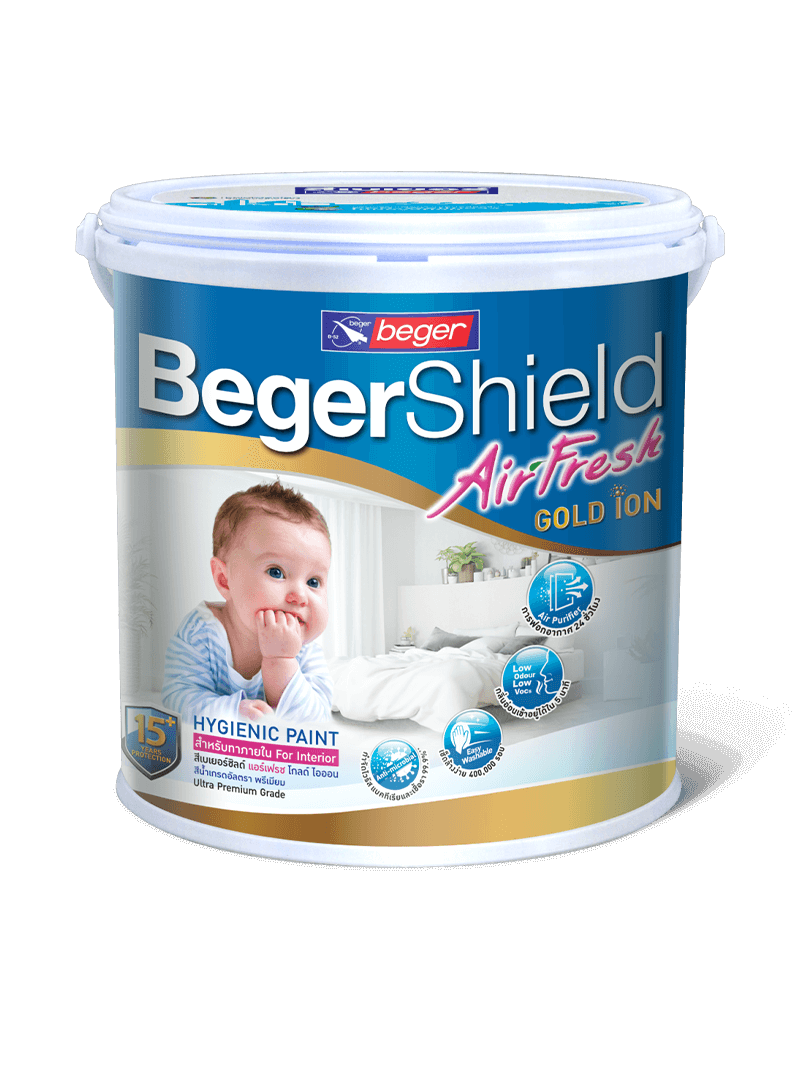
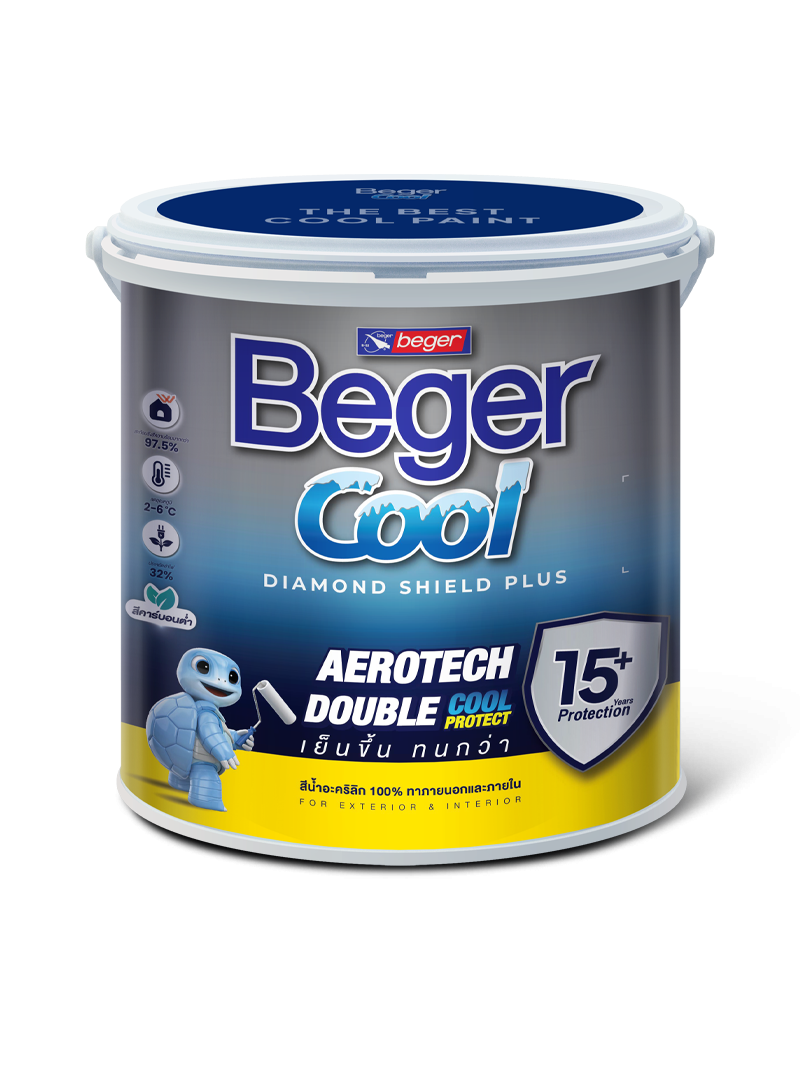
- Apply a topcoat in two coats. Recommended:**BegerCool DiamondShield 15**or**BegerShield AirFresh Gold Ion**(Interior)
**Recommended Products**
|
**BegerCool DiamondShield 15** |
**BegerShield AirFresh Gold Ion** |
2. The problem of peeling and bubbling paint after flooding
Occurs due to moisture pushing the paint film away from the wall, commonly found after flooding in areas where water has pooled.
**Solution**
- Scrape off all the old paint that has come off.
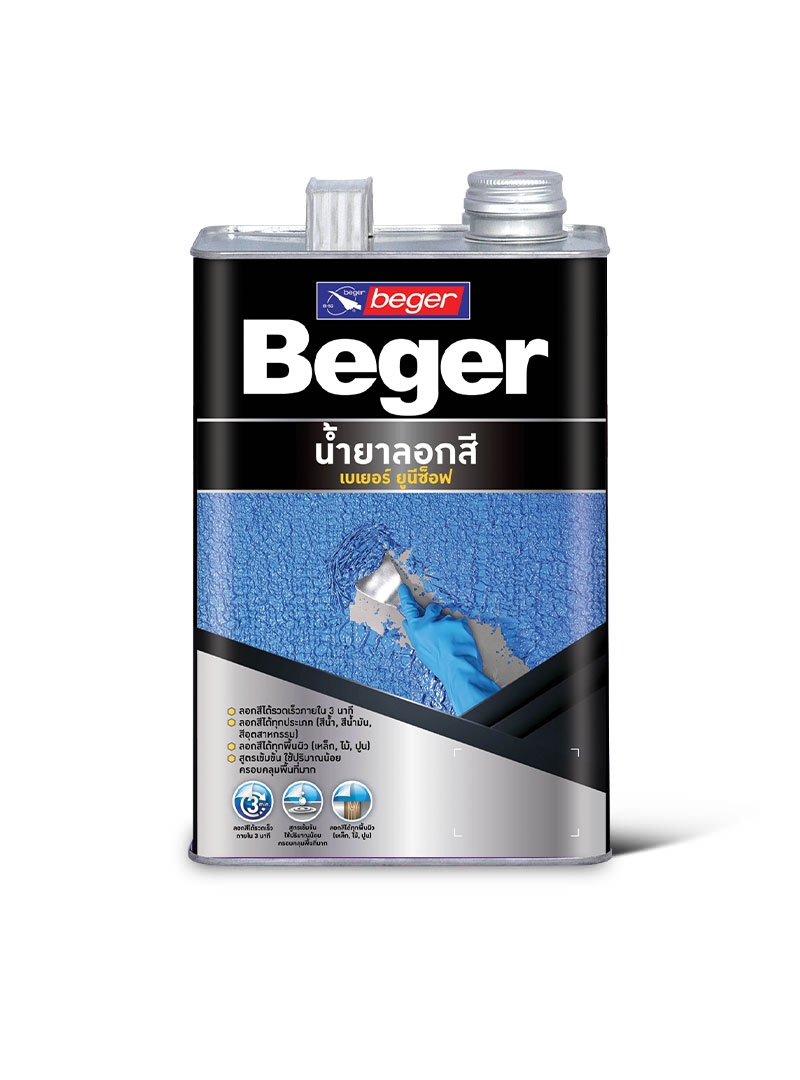
- Use a paint stripper**Beger Unisoft 9119**for large areas; it easily and quickly removes paint without damaging the original surface.
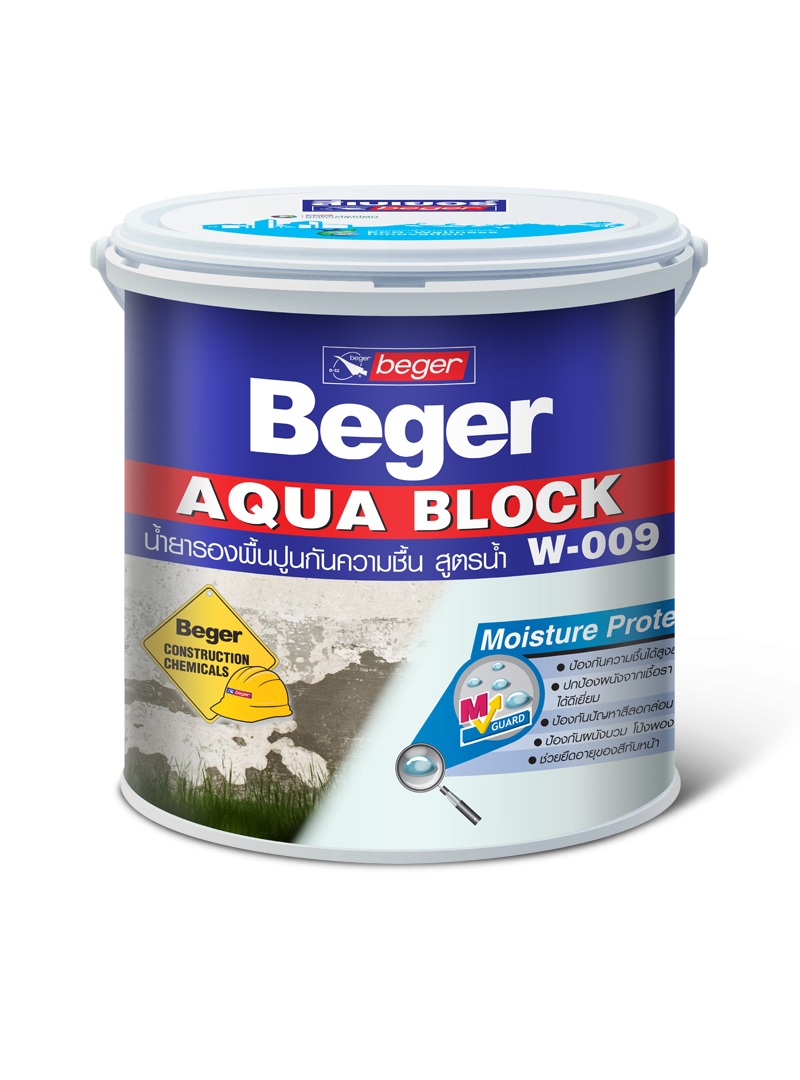
- Apply a moisture barrier with **Beger****Beger Aqua Block W-009**in 1-2 coats.
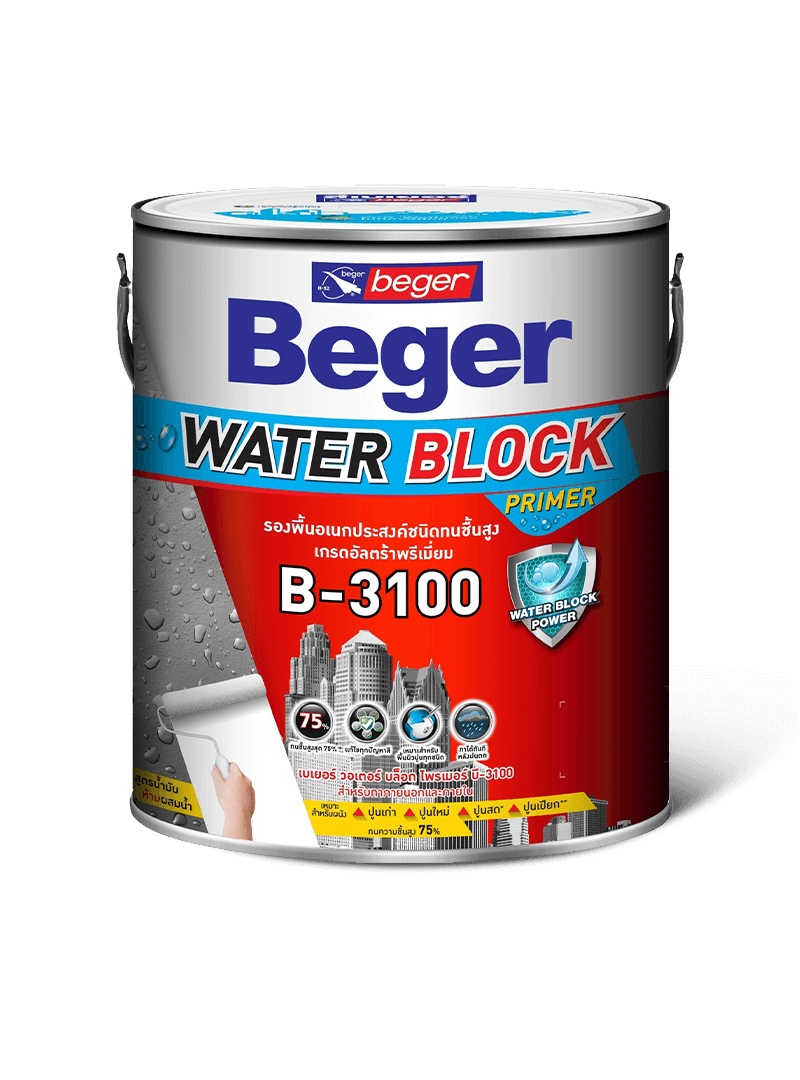
- High moisture resistant primer Beger Water Block Primer B-3100
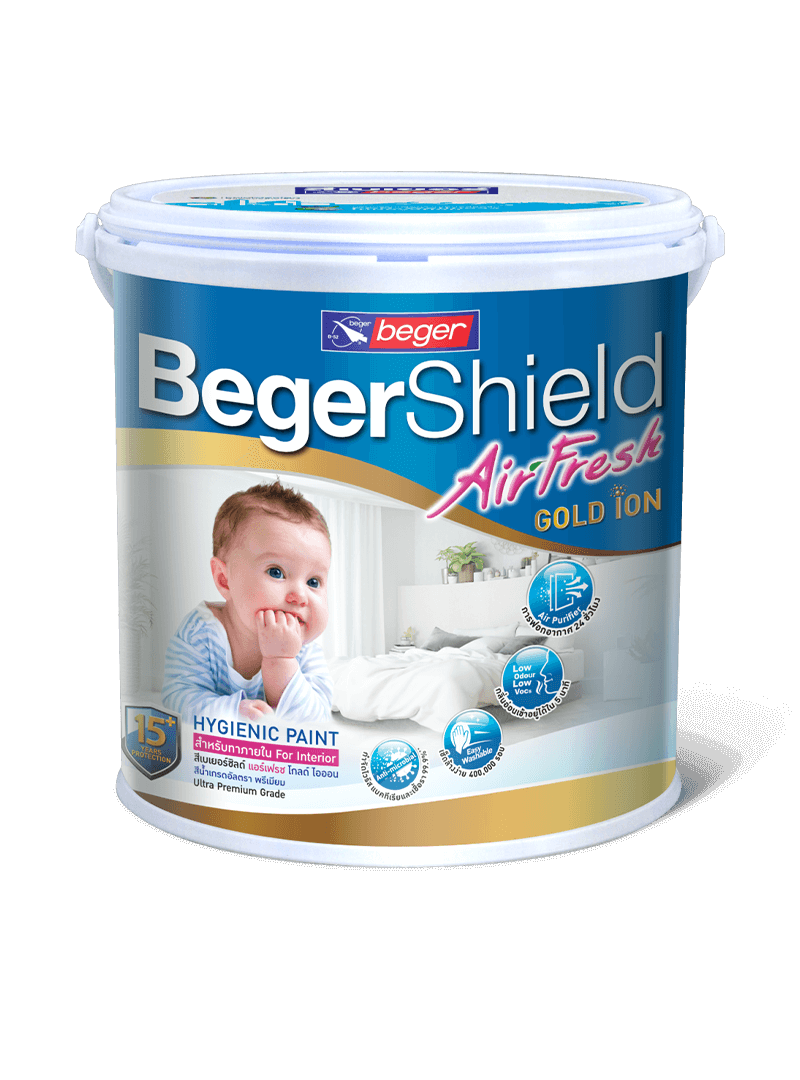
- Apply topcoat 2–3 times, such as BegerShield AirFresh Gold Ion or BegerCool DiamondShield 15
Recommended products
|
Beger Unisoft 9119 |
Beger Aqua Block W-009 |
Beger Water Block Primer B-3100 |
BegerShield AirFresh Gold Ion |
BegerCool DiamondShield 15 |
3. Mold and algae problems after flooding
High humidity causes mold to grow quickly, especially in poorly ventilated areas
Solution
- Scrub all mold away and let the walls dry
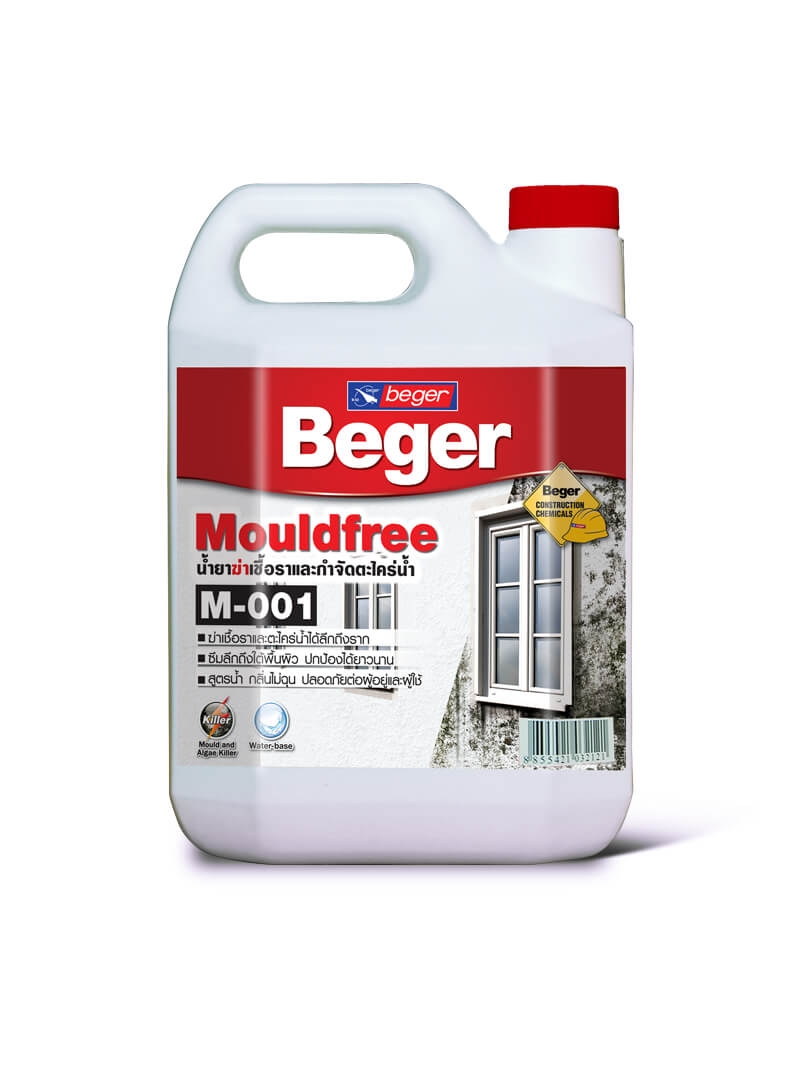
- Apply mold removal solution Beger MouldFree M-001
- Apply primer 1 coat
- Apply topcoat 2–3 times to prevent recurrence
Recommended products
|
Beger Mouldfree M-001 |
4. Rust problems on steel
Steel that has been submerged in water for a long time will rust and cause paint to peel
Solution
- Remove rust with sandpaper or a sander
- Strip off the old peeling paint
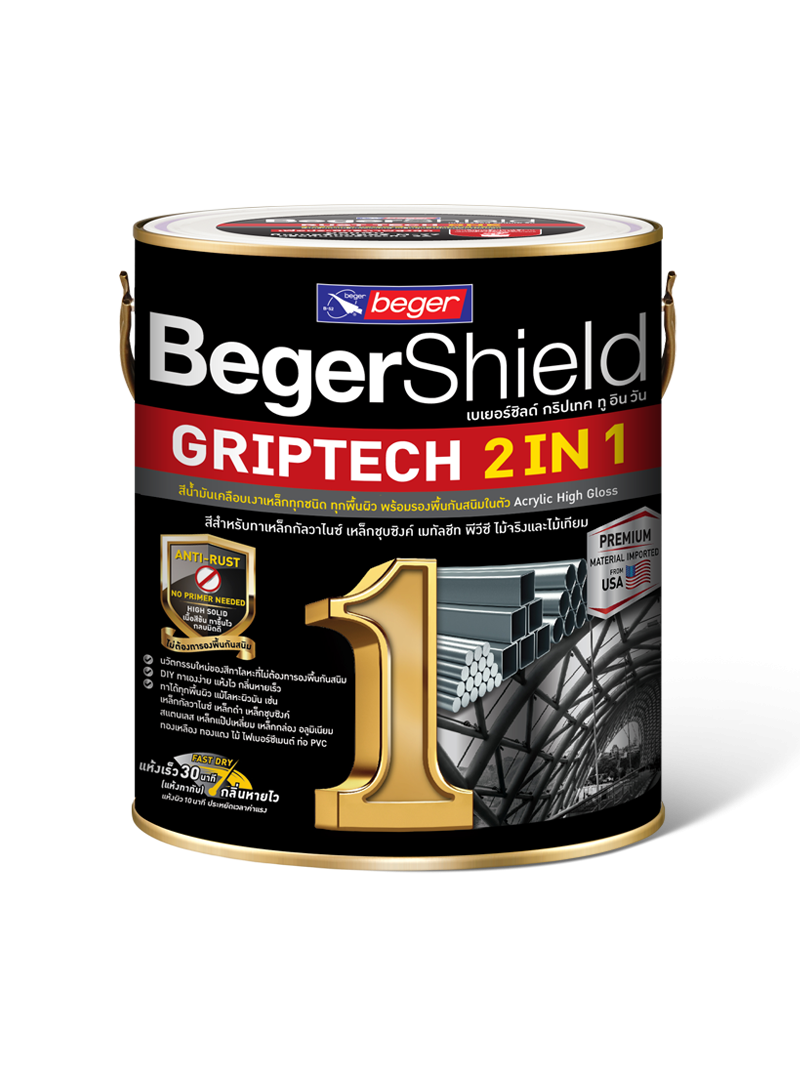
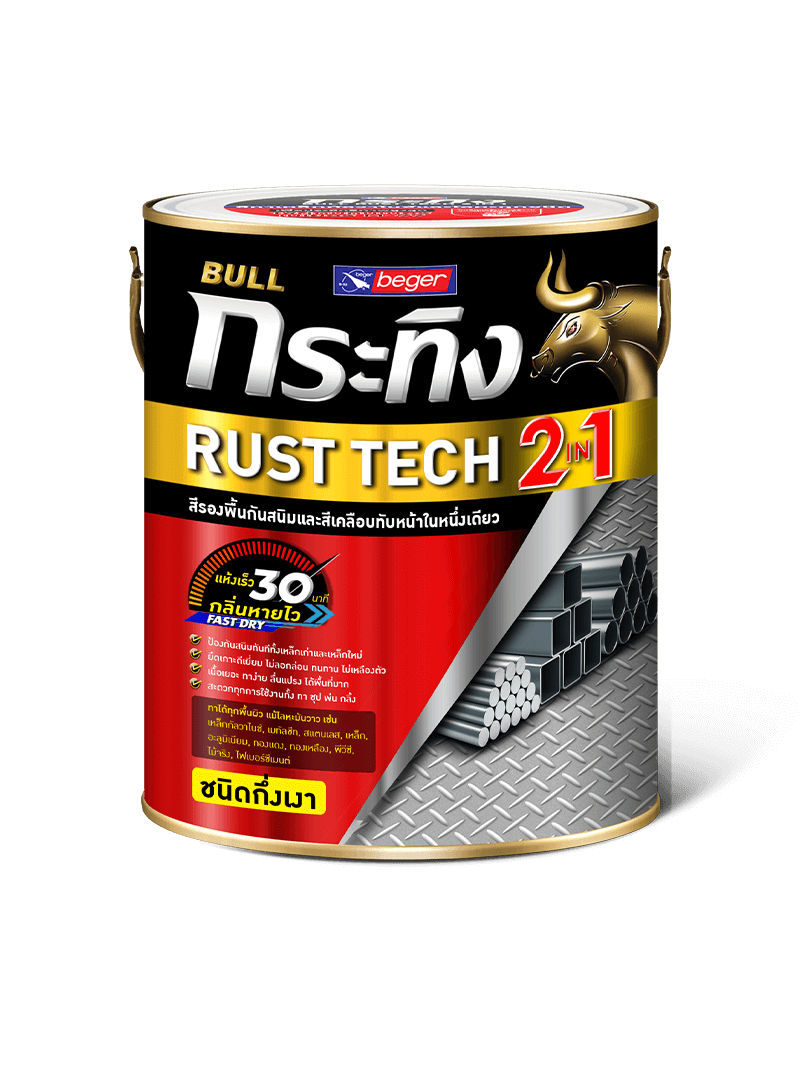
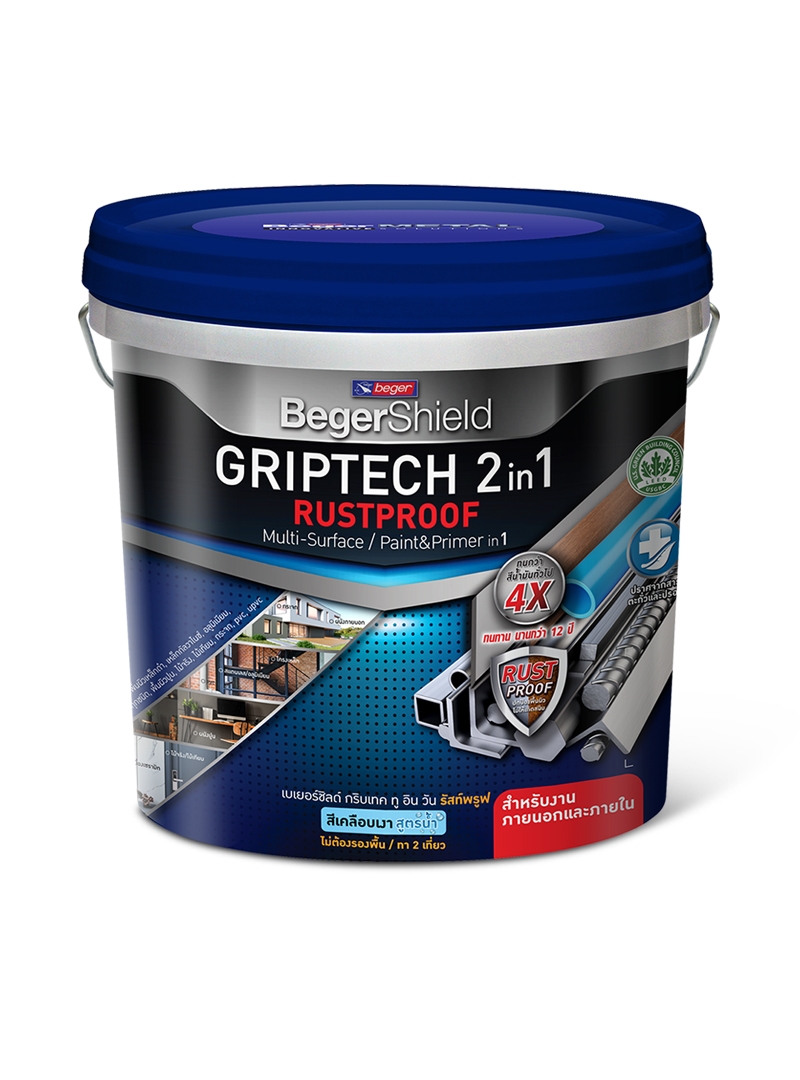
- Apply rust-resistant paint 2IN1 in 2 coats, such as BegerShield Griptech 2IN1, Bull Rust Tech 2IN1 and BegerShield Griptech 2IN1 Rustproof (water-based formula)
Recommended products
|
BegerShield GRIPTECH 2IN1 |
BULL Rust Tech 2IN1 |
BegerShield GRIPTECH 2IN1 RUSTPROOF |
Summary: Systematically restore your home after flooding, safely and prevent long-term issues
Caring for your home after flooding is an important step that must be done systematically, as many damages often hide behind water stains and moisture, whether it be bubbling walls peeling paint mold-algae rust or electrical-plumbing systems that pose hazards. Inspecting safety, structure, electrical systems, water systems, and cleaning and reducing moisture will help reveal problems more clearly and allow for proper solutions from the start.
When it comes to repairs, choose products suitable for moisture issues such as moisture-proofing agents, high moisture-resistant primers, mold removers, or high-quality topcoats to ensure that home repairs are durable, preventing recurring issues and extending the lifespan of various materials. By thoroughly inspecting the home and repairing according to the nature of the problems, homeowners can restore their homes to be safe, clean, and livable again, while being more confident in facing the next flooding season.