
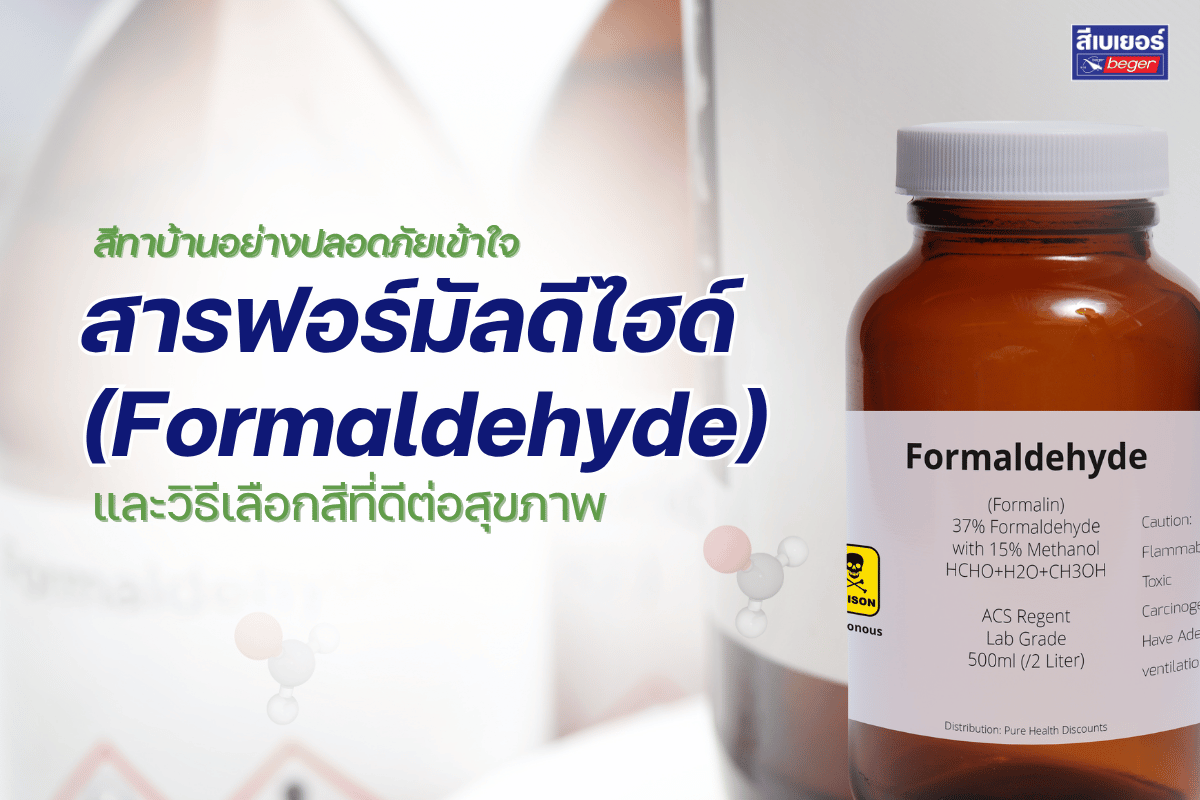
Many people may view “house paint” as merely the final step in decoration, but in reality, the colors we choose have a direct impact on both the health of the people in the home and the air quality inside the building. One of the substances commonly found in regular paints and many home decoration products is formaldehyde (Formaldehyde), an invisible volatile compound that can linger in the air for weeks or even months after painting or decorating is completed, causing us to “breathe it in” unknowingly.
What is formaldehyde?
Formaldehyde (Formaldehyde) is a colorless gas with a distinctive pungent odor, classified as a volatile organic compound (VOCs) that can disperse in the air even at room temperature. This substance is widely used in various industries because it helps products to be
- strong and durable
- dry quickly
- adhere well
Thus, it can be found in construction materials, house paint, furniture, and even everyday products.
Where does formaldehyde come from in the home?
Many people often understand that formaldehyde comes only from the “new paint smell,” but in reality, formaldehyde can come from various sources in the home, as follows:
1. Furniture and construction materials
- Plywood, laminated wood, MDF / Particle Board often use adhesives and resins containing formaldehyde as a component to help bond the wood material.
- Built-in furniture, glossy wooden furniture such as wardrobes, tables, shelves, doors, especially lacquered or various glossy finishes.
2. House paint and wall decoration materials
- House paint, primers, lacquers, and some types of coatings
- wood or furniture coatings that contain VOCs, which may include formaldehyde.
However, in general, house paints or building paints that are certified by Thai industrial standards, such as TIS 272-2564 (general emulsion paint) and TIS 2321-2564 (weather-resistant emulsion paint), usually do not use formaldehyde as a main component in the paint production process and have quality and safety controls according to the specified standards. Therefore, choosing paints that meet TIS standards is one way to help reduce the risk of hazardous volatile substances in the home.
3. Carpets, wallpaper, and textile products
Carpets, wallpaper, curtains, and some types of sofa fabrics may use adhesives, coatings, or anti-fungal substances that contain formaldehyde. Over time, these substances can gradually evaporate into the air.
4. Cleaning products and household items
- Some cleaning agents
- air fresheners, or certain types of disinfectants
Although the amounts may not be as high as construction materials, frequent use in enclosed spaces can also lead to accumulation.
5. Cosmetics and certain medications
- Certain types of cosmetics
- Certain medications
may contain Formaldehyde-releasers as ingredients. When used frequently in enclosed spaces, they may also increase the overall level of formaldehyde in the environment.
How is formaldehyde found in house paint?
In the past or in certain groups of paints, formaldehyde may have been associated with components of the paint, such as
- being used as part of the Resin Binder to enhance durability and gloss,
- being used as a drying and film-forming agent,
- being used as a preservative or antimicrobial agent in ready-mixed paints.
However, today, paint technology has advanced significantly. High-quality paint manufacturers, especially those focusing on health and environmental aspects, avoid using formaldehyde and instead use
- Pure Acrylic Resin
- health and environmentally friendly paint formulations
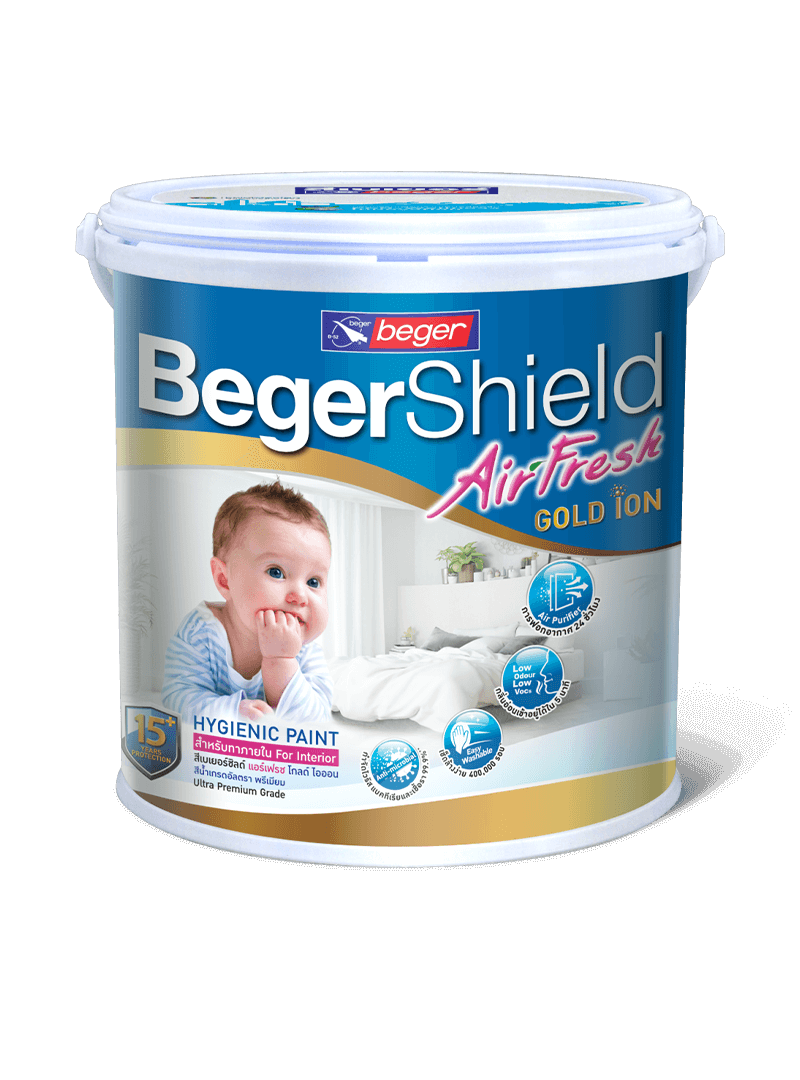
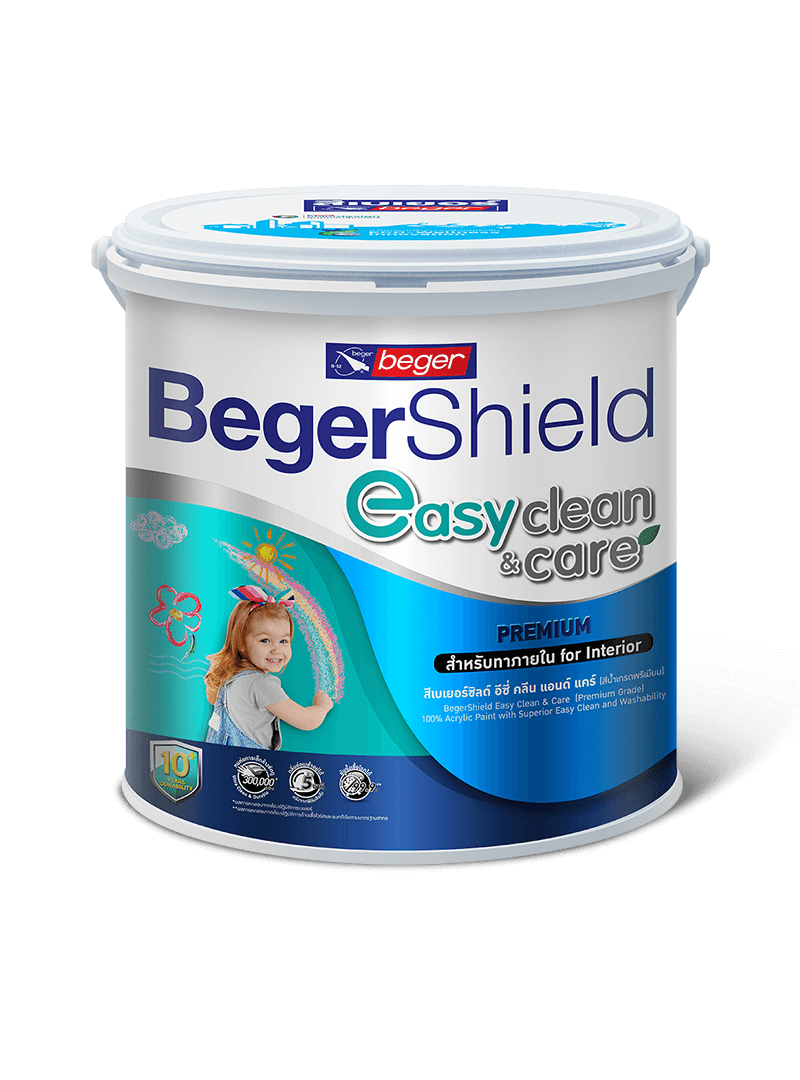
- air purification technologies such as Beger Airfresh Gold iON / Beger clean&Care that help absorb and break down formaldehyde in the air.
How is formaldehyde harmful to health?
If exposure exceeds the established standard (more than 0.1 milligrams per cubic meter), it may affect health as follows:
Short-term effects
- Eye irritation, nasal irritation, respiratory tract irritation
- Coughing, sneezing, sore throat
- Headaches, dizziness, discomfort when staying in a room for long periods
Long-term effects
- Affecting the respiratory and immune systems
- Increasing the risk of nasal cavity cancer or lung cancer when exposed to high levels continuously.
Special Risk Groups
- Young Children
- Elderly People
- Individuals with Allergies or Chronic Respiratory Diseases
This group should pay special attention to choosing safe colors and materials.
Ways to Reduce Formaldehyde Levels in the Home
In addition to selecting safe house paint, you can manage the “whole system” within the home as follows:
1. Choose Certified Furniture and Materials
- Select furniture, plywood, or wood panels that are certified to have low formaldehyde levels (e.g., E0, E1 levels or equivalent standards).
- Choose materials that use Low-VOCs glue or resin.
2. Use Air Purifiers
Install a ventilation system and use high-efficiency air purifiers, especially models with Activated Carbon, which are very effective at capturing odors and vapors. Additionally, using Photocatalytic Oxidation technology that works with UV light will help break down toxins such as formaldehyde and various volatile compounds, as well as eliminate pathogens like bacteria and viruses, making the air cleaner and safer.
3. Choose Safe House Paint
- Select paints that clearly state Low-VOCs or Zero-VOCs.
- Choose paints that meet safety standards such as TIS 272-2564, TIS 2321-2564 and other environmental standards.
- Choose paints that have air-purifying properties and can absorb and break down formaldehyde.
4. Clean the Home Regularly
- Vacuum and wipe down floors and furniture regularly.
- Reduce dust and moisture accumulation, which may be related to the release of volatile substances from materials.
5. Ensure Good Ventilation
- Open windows to allow airflow.
- Use fans or exhaust fans to help circulate air, especially after painting or bringing new furniture into the house.
6. Avoid products with harmful volatile substances
- Choose cleaning agents that are safe and have no strong odors.
- Reduce the use of air fresheners or unnecessary chemicals in enclosed spaces.
|
|
|
How to choose “safe house paint” for the health of people in the home
1. Check for Low-VOCs or Zero-VOCs labels – Choose paints that specify free from harmful volatile substances (Low / Zero VOCs) which means releasing formaldehyde and other chemicals at very low levels or almost none at all.
2. Choose paints that meet environmental standards and industry standards – In addition to the Thai Industrial Standards (TIS), if the paint is certified for environmental standards, such as
- Green Label
- LEED
- Eco-Friendly Certification
it will further enhance confidence that the product has quality control for both users and the environment.
3. Read the manufacturer’s information carefully
- Choose paints that clearly specify ingredients and VOC levels.
- Avoid paints that do not provide transparent health information or emissions data.
4. Consider paints with air-purifying properties
Some types of paint use specific technologies, such as
- Beger Airfresh Gold iON
- BegerShield Easy Clean & Care
which can absorb and break down formaldehyde in the air. Transform into steam and carbon dioxide, helping to reduce the body’s burden in eliminating toxins itself.
5. Ventilate after painting– Even if you choose a safe paint, you should open windows or use fans to help ventilate for at least 2–3 days after painting to allow the smell to dissipate and reduce the level of volatile substances in the air.
Eco-friendly paint: When home and environment are safe together
“Eco-friendly paint” does not mean green paint, but refers to paint designed to
- contain no heavy metals and harmful residues,
- release low VOCs,
- use environmentally friendly raw materials,
- and be produced through processes that help reduce carbon footprint.
Choosing eco-friendly paint helps reduce air pollution and global warming issues in the long term because the health of the home and the world are always interconnected.
Summary: Choosing good paint is like choosing the air we breathe every day.
Choosing formaldehyde-free house paint and paying attention to materials and furniture inside the home not only affects the beauty of the walls but also means choosing “the air we breathe every day” to be as safe as possible. When combined with selecting paint that meets standards such as TIS 272-2564 and TIS 2321-2564 along with using modern air-purifying paints like Beger Airfresh Gold iON / BegerShield Easy Clean & Care.
FAQ: Frequently Asked Questions about Formaldehyde and House Paint
Q1: Where does formaldehyde come from in the home?
A: It can be found in various construction materials and household items such as plywood, laminated wood, built-in furniture, adhesives, lacquer, carpets, wallpaper, curtains, textiles, as well as cleaning products, cosmetics, and some medications that contain formaldehyde-releasing substances.
Q2: Do air-purifying paints really reduce formaldehyde?
A: Yes, if they use tested technology such as Gold iON or Photocatalyst / AirFresh Catalyst that helps absorb and break down formaldehyde into steam and carbon dioxide.
Q3: What should I do if a new house has a strong paint smell?
A: You should open windows, ventilate, and use fans to continuously circulate air for at least 2–3 days, and if possible, avoid staying in that area for long periods initially.
Q4: How is VOC-free paint different from regular paint?
A : VOC-free paint or low-VOC paint has no strong odors and reduces the evaporation of toxins, including formaldehyde, making it ideal for allergy sufferers, young children, and the elderly.
Q5 : How does choosing eco-friendly paint help the environment?
A : Eco-friendly paint releases fewer chemicals, reduces air pollution, and is produced through processes that lower carbon footprints, thus taking care of both the health of people in the home and the planet at the same time.