Why is green a color that makes a home inviting and has long-term benefits for its residents?
The color of a home is not just about aesthetics or personal taste; it is an important element that directly affects the emotions, feelings, and quality of life of the residents. Particularly, green is one of the colors that has the most significant impact on human psychology. Many people are beginning to search for information about green paint for their homes because they want a space that feels comfortable, stress-free, and not stifling in the long run. This article will explain every dimension of the color green, from psychological principles to the actual effects when used as a house paint.
Green from a psychological perspective: The color of balance and rejuvenation
Psychologically, green is classified as the color that provides the most “balance” because it is the color that sits in the middle of the spectrum between warm and cool tones. This means the brain is not overly stimulated and does not feel too indifferent or distant.
Green is associated with nature, such as forests, leaves, and growth, which are images that humans have been familiar with since ancient times. The brain interprets green as a signal of
- safety
- abundance
- and recovery.
When humans are in an environment with green, the nervous system automatically enters a state of relaxation. This is why green is often used in areas where stress reduction is desired, such as hospitals, recovery rooms, or mental health care spaces.
Green and the feelings it evokes when used as house paint
When green is used as house paint the effects are not just temporary, like looking at an object, but are cumulative results from living with this color every day.
1. Green helps make a home feel calm and inviting A home painted in green often feels calm from the first step inside. Green does not compete for visual attention, does not create a sense of alertness or pressure, making it truly suitable for a relaxation space. Psychologically, a green home helps residents feel that
- home is a refuge, not a workplace
- the atmosphere is not rushed
- and it is easier to let go of external stress.
2. Green helps reduce stress unconsciously Even if residents do not consciously notice, green affects the body and mind at a deeper level than awareness, such as
- helping to slow down breathing
- reducing muscle tension
- and stabilizing overall mood.
The result is a gradual accumulation of a sense of comfort, making the home a space that does not drain emotional energy.
Different shades of green have varying psychological effects.
Although they are all green, the intensity, lightness, and temperature of the color clearly affect different feelings. Therefore, choosing the right shade is just as important as selecting the main color.
1. Light green or pastel green
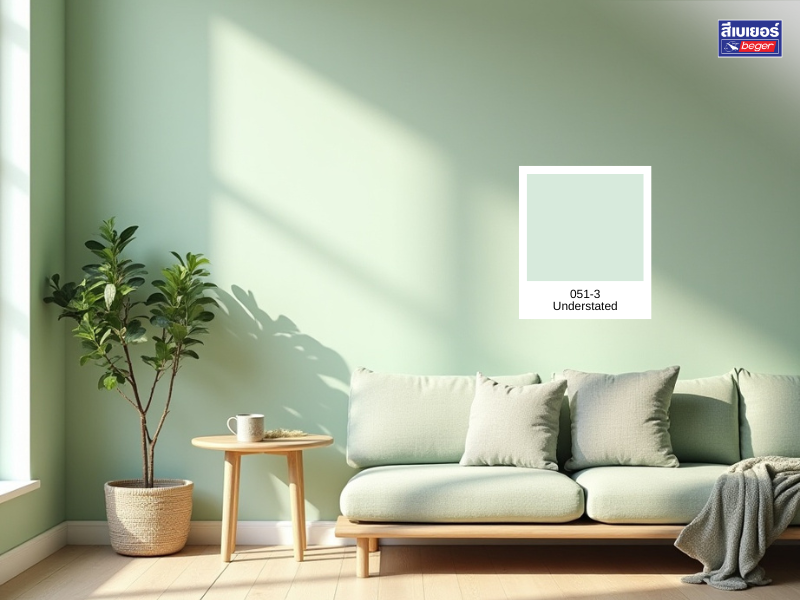
Light green shades evoke a sense of lightness, gentleness, and friendliness. They are suitable for areas that require high relaxation, such as bedrooms, relaxation rooms, or homes with residents of various ages. This group of greens helps reduce anxiety, making the brain feel safe, and is ideal for spaces that primarily aim for visual comfort.
2. Muted green or grayish green
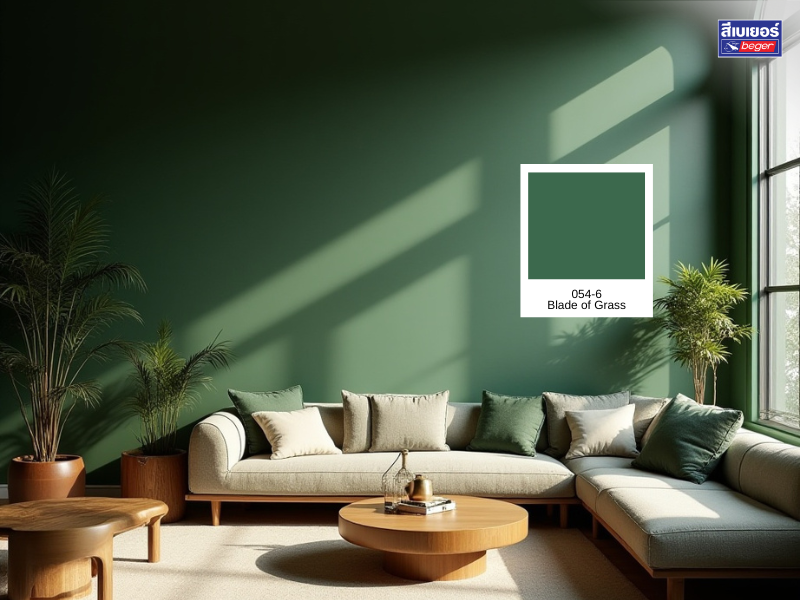
Muted green presents an image of calmness, sophistication, and modernity. It is suitable for modern minimalist homes or homes that seek simplicity without being overly plain. Psychologically, this shade of green helps create a sense of stability, maturity, and trustworthiness, making it popular for common areas such as living rooms or main walls of the house.
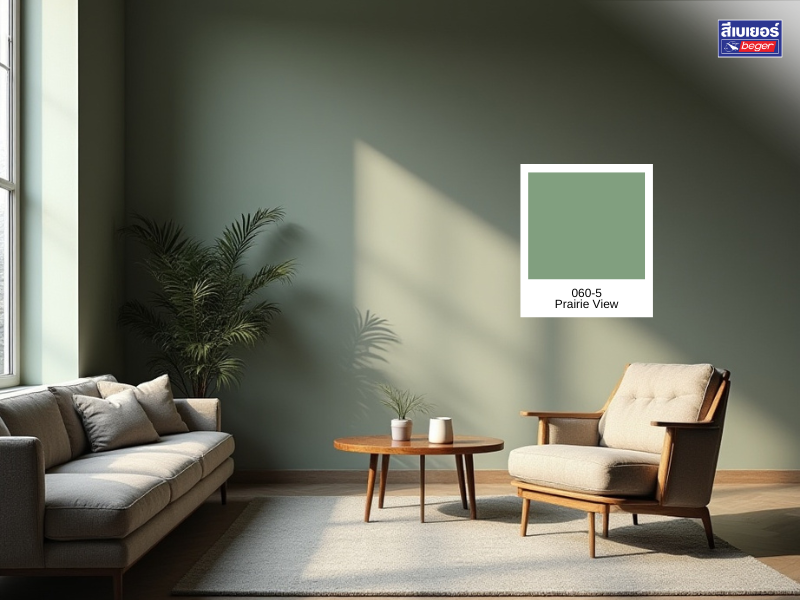
3. Dark green or natural green
Dark green conveys a sense of solidity, strength, and a clear connection to nature. It is suitable for use as a focal point or on certain walls to create dimension and character for the home. Dark green helps residents feel safe and emotionally stable, but it should be used in appropriate amounts to avoid making the atmosphere feel too heavy.
Why is green suitable for long-term living?
One of the questions that seekers often worry about is whether green will become boring over time. The answer from a psychological perspective is that green is one of the colors that humans can live with for the longest time. The reason is that green does not stimulate intense emotions, does not tire the brain, and does not create visual pressure like some other colors. Therefore, it is suitable for homes meant for actual living, not just looking good at first. Green helps keep the home feeling good even as years go by.
Who is suitable for green house paint?
Green is suitable for those who prioritize quality of life over flashiness, such as:
- – Workers seeking a space to unwind
- – Families wanting a warm atmosphere
- – Homes with elderly residents or children
- – Those wanting a home that does not cause emotional fatigue
Summary: Green is the design of the home’s feeling.
Green is not just a house paint color; it is a tool for designing the emotions and atmosphere of long-term living. Green helps make the home a space that is calming, rejuvenating, and balances daily life. If you are looking for a color that offers beauty, peace of mind, and psychological value, green is one of the most fitting options.
Recommended products
|
|
|
|