
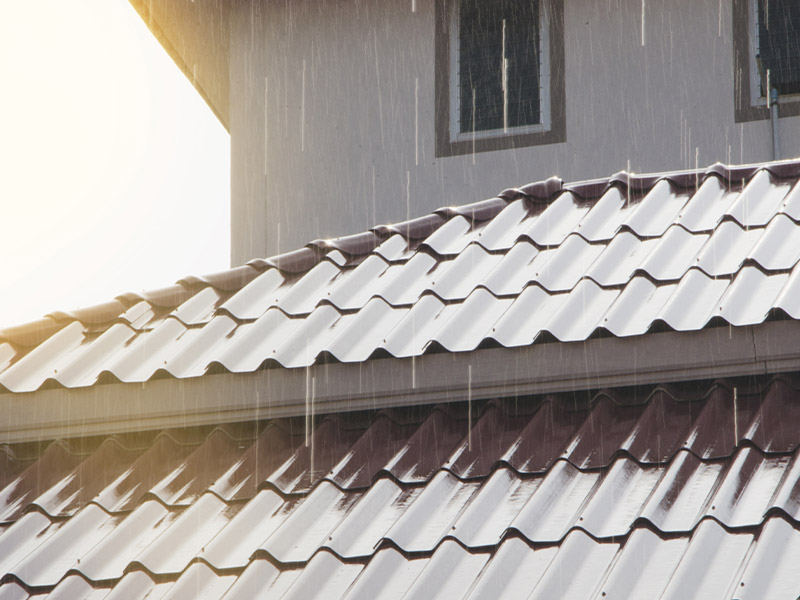
Really leaks a lot for such a small thing! The problem of a leaking roof is a major headache, often showing symptoms during the rainy season like this. You can see it from the water stains running down the walls, the ceiling swelling with mold, or water dripping down when it rains. Many times, it causes annoyance and damages property in the house.
Watch the video on how to repair a leaking roof
There are many ways to repair a leaking roof, such as using leak sealant products, silicone adhesive, acrylic adhesive, waterproof paint, waterproof tape, leak sealant spray, etc. However, in some cases where those products do not work, it may be necessary to replace the roof. So how do you know if this type of leak can be repaired or if you need to replace the roof?
Leaking roofs that can be repaired with products
- Leaking roofs from minor cracks
- Leaking roofs from deteriorated original waterproofing
- Leaking roofs from screws, nails, or roof fasteners
- Leaking roofs at the ridge
- Leaking roofs at joints
- Leaking roofs from clogged gutters
Leaking roofs that need to be replaced
- Large cracks in the roof
- Non-standard installation
- Leaking roofs from extensions
Roof repair costs
What type of leaking roof can be repaired with products
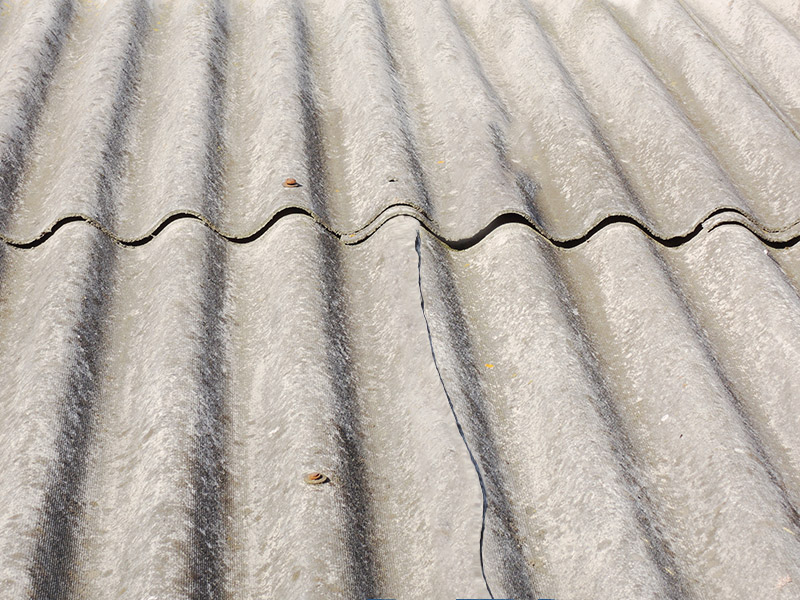
Leaking roofs from minor cracks
Cracking is a very common cause, which may result from the original roof deteriorating or being hit by various objects like branches, hail, etc. Especially tile roofs are more likely to crack than corrugated metal and metal sheet roofs.
Products used for repair
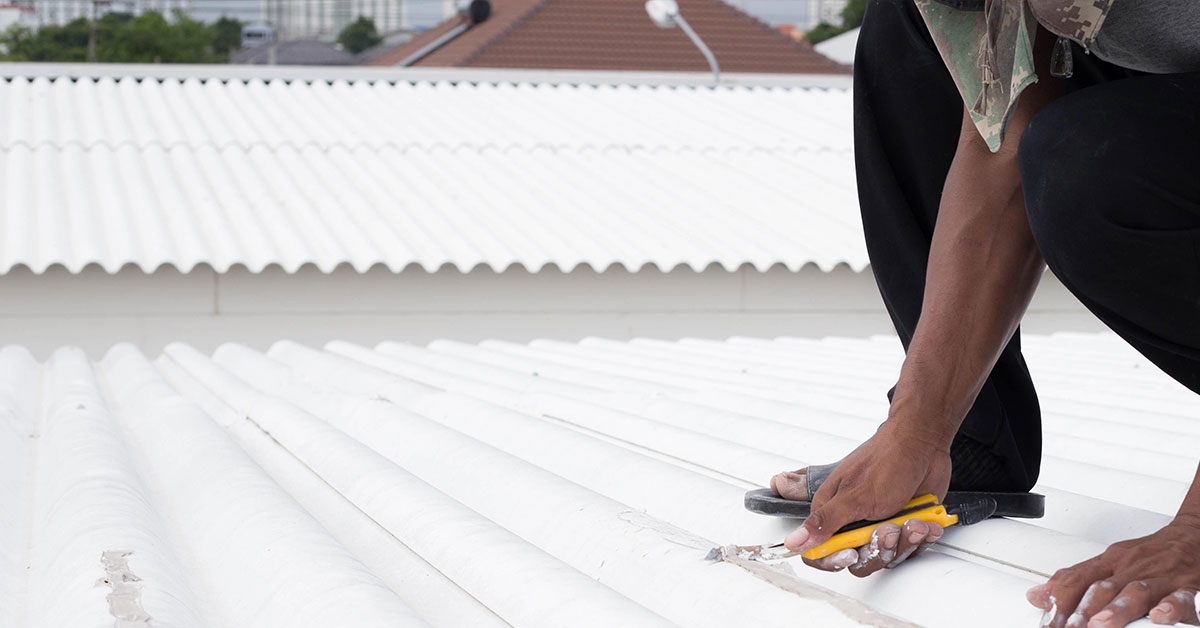
In cases where the cracks are not too large, measuring 1 – 10 mm, you can use high-elasticity waterproof acrylic to seal those cracks, such as Beger Acrylic Sealant F-001, or you can also use waterproof tape, butyl tape, or seal tape. However, these sealing materials typically have a lifespan of about 4 – 5 years, depending on the product grade and weather conditions faced; they are not permanent. In this regard, you may need to plan for long-term repairs in advance.
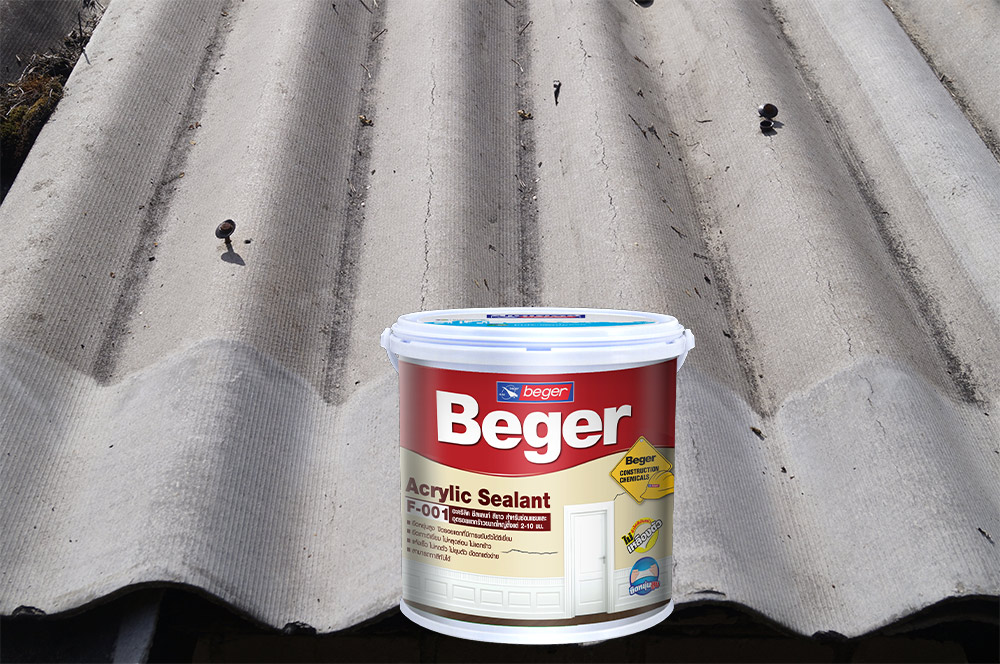
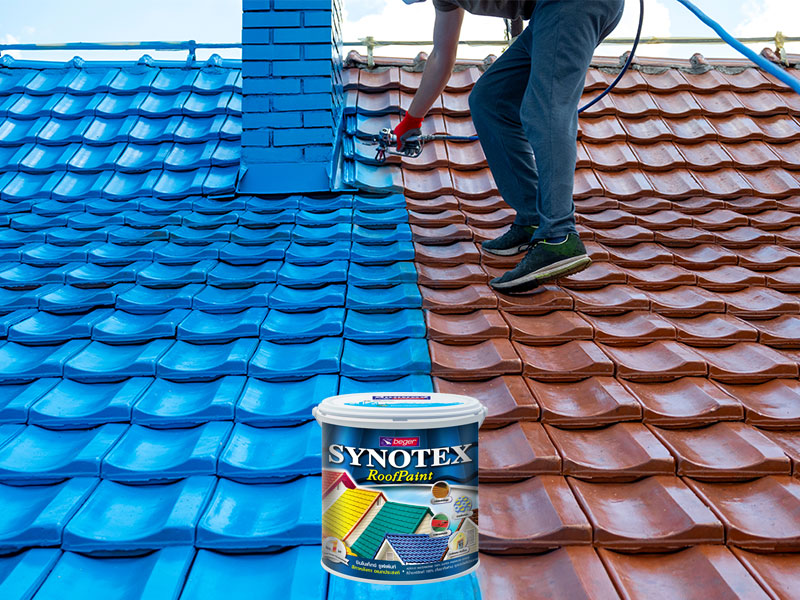
Usually, these sealing products tend to be white or gray, and once used, the seal will be clearly visible. Some people may feel that it makes their roof look unattractive. A solution is to paint over it with roof paint, such as Beger Synotex RoofPaint, to cover those seal marks, and the roof will look beautiful again.
Leaking roofs from deteriorated original waterproofing
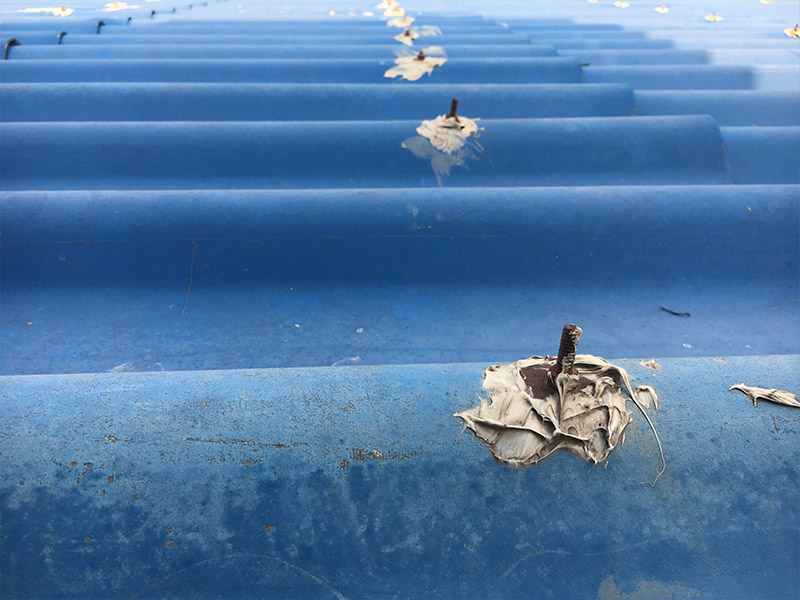
All types of waterproofing products have their lifespan, which typically starts to deteriorate after about 3 – 5 years, and the effectiveness in sealing cracks gradually decreases, leading to the reappearance of the original leaking problem.
Products Used for Repair
Scrape off the deteriorated original product, then use a new product to repair and seal again. In the scraping process to remove the original product, care must be taken as it may sometimes cause damage to the roof, necessitating the replacement of the panel.
Roof Leaks from Nuts, Nails, Screws Holding the Roof
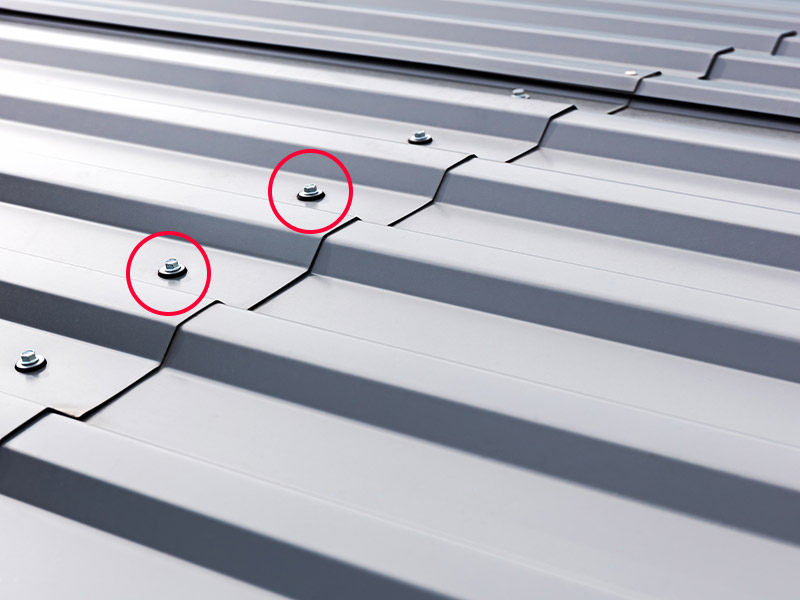
When installing a roof, in addition to using adhesive cement to bond with the structure, there is also the method of drilling the roof and using nuts, nails, or screws to secure it. This is especially true for roofs made of galvanized iron or metal sheets, where drilling may allow water to seep through those holes. Although these fastening devices often come with rubber pads or washers, if the rubber pad deteriorates, the washer rusts, or if they are not installed properly, there is still a chance that water can seep through.
Products Used for Repair
We can use a silicone sealant gun to seal around the screws to prevent water from entering. It is recommended to use a non-acidic silicone type as it will not corrode the surface, and then apply a waterproof paint, such as Beger ROOFSEAL Cool or Beger Roof Guard, on top to enhance durability. However, if you want to completely resolve the issue, it is recommended to replace the entire roof fastening set.
Roof Leaks at the Ridge
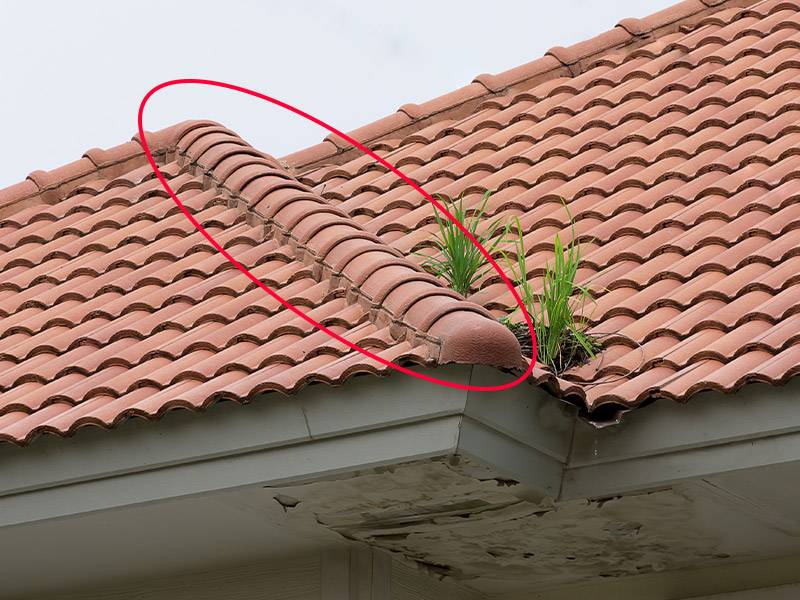
The ridge area, often referred to as the ridge cap, is covered with a roof cap to close the gap between the two sides of the ridge. Normally, workers will use cement to seal the area between the cap and the ridge. However, when the cement begins to crack, water may be able to enter.
Products Used for Repair
Use waterproofing materials, such as silicone or acrylic sealants, to fill in the gaps. Alternatively, you may chisel out the old cement and apply new cement, then apply a waterproofing product on top as an additional layer.
Roof Leaks at the Joints
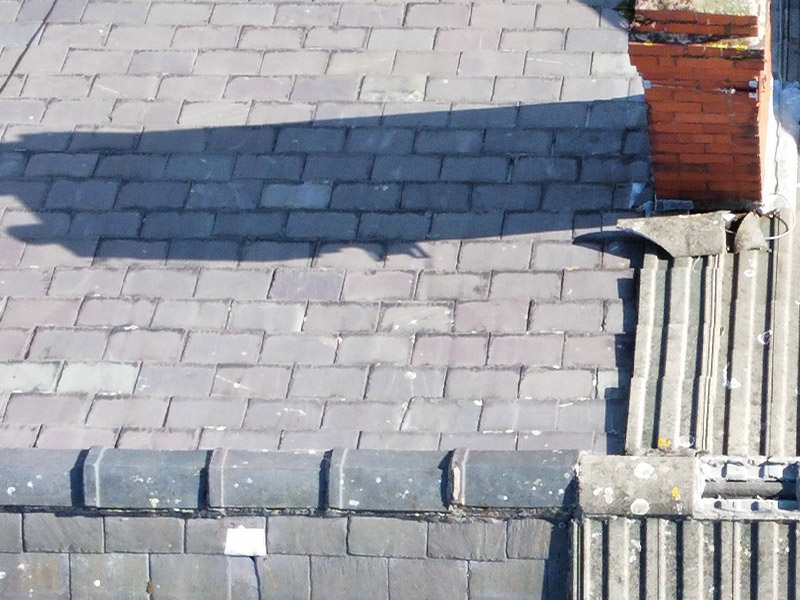
In this context, joints refer to the connections between the roof and the walls, where the roof meets other sections, and the joints between the roof panels themselves. If these joints develop gaps and are not sealed properly, water can seep in.
Products Used for Repair
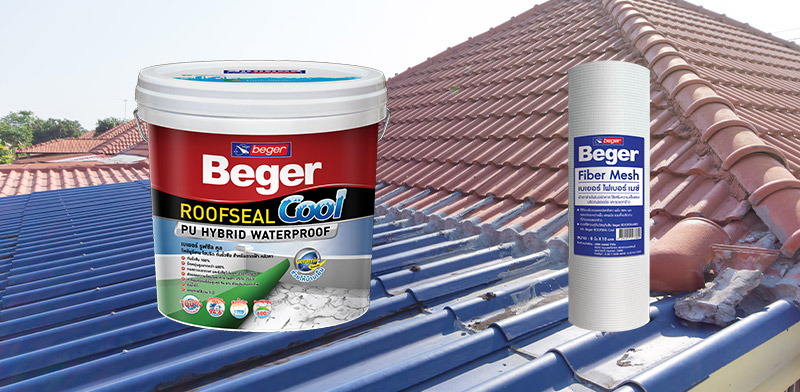
Use non-acidic silicone sealant to seal the joints, but keep in mind that silicone may not withstand weather conditions very well and has a lifespan of about 2 – 5 years. Alternatively, you can use PU foam spray to seal the leaks. You may also choose to seal those joints with waterproofing products such as Beger ROOFSEAL Cool, then apply a layer of polyurethane waterproofing on top, lay down a fiber mesh sheet, and apply another layer of waterproofing as the second and third layers to extend the lifespan.
Roof Leaks from Clogged Gutters
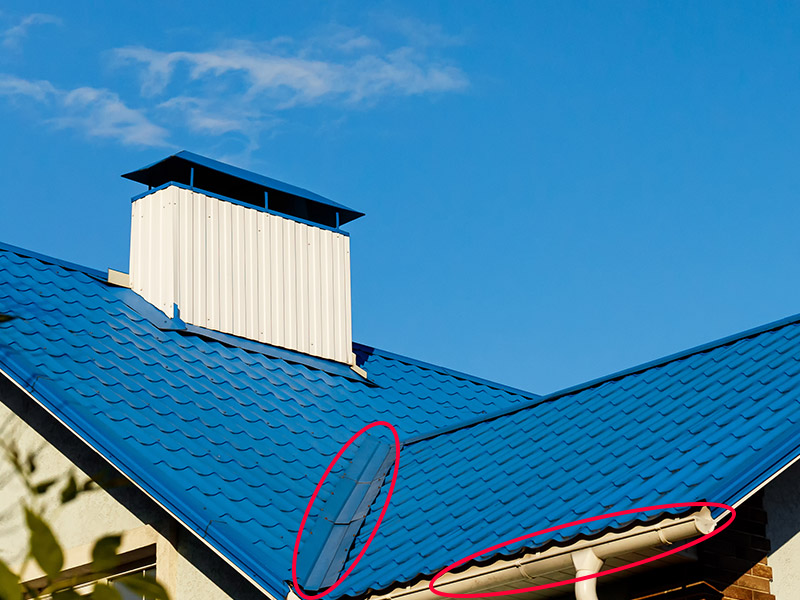
What do gutters have to do with roof leaks? The gutters that often cause problems are those located under the roof at the joints on both sides. When the gutters are clogged, water cannot flow through, causing it to overflow and back up into the roof.
Products Used for Repair
Prevent this by sealing the gaps with a highly flexible waterproofing product like Beger ROOFSEAL Cool, applying it to the area in three coats, with the second coat reinforced with a fiber mesh sheet. Additionally, regular cleaning of the gutters is essential to prevent debris such as twigs, leaves, and dirt from causing blockages.
Reasons for Roof Leaks That Require Roof Replacement
Large Cracks in the Roof
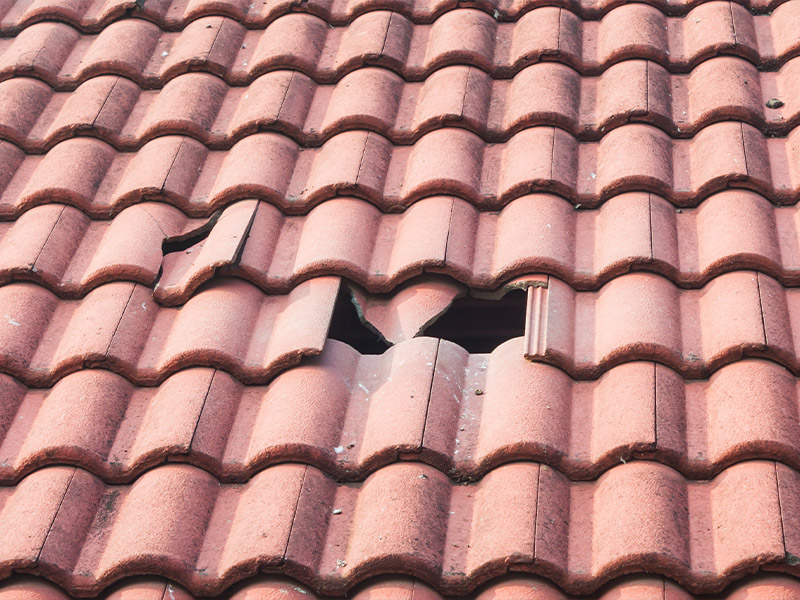
If your roof has cracks larger than 3 cm, is rotting, or has large holes, which exceed the capacity of various sealing products to handle, the solution to this problem is to replace the roof entirely.
Non-Standard Installation
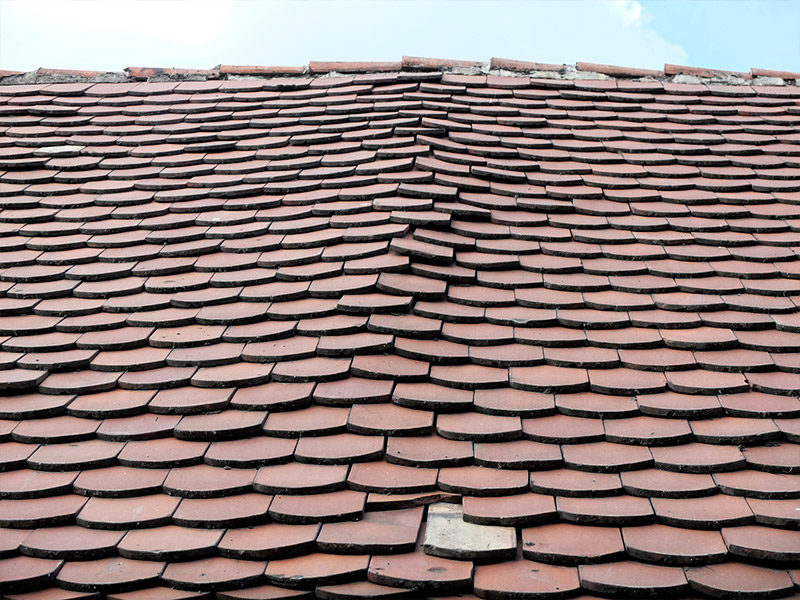
Non-standard roof installations, such as improper angles, misalignment, inadequate slope, or a roof structure that is sagging or too short, can all lead to rainwater entering the house and causing leaks. Fixing these issues requires a professional inspection, and typically, workers will recommend re-roofing entirely, adjusting the structure, or only replacing the parts that are causing the problems.
Roof Leaks from Extensions
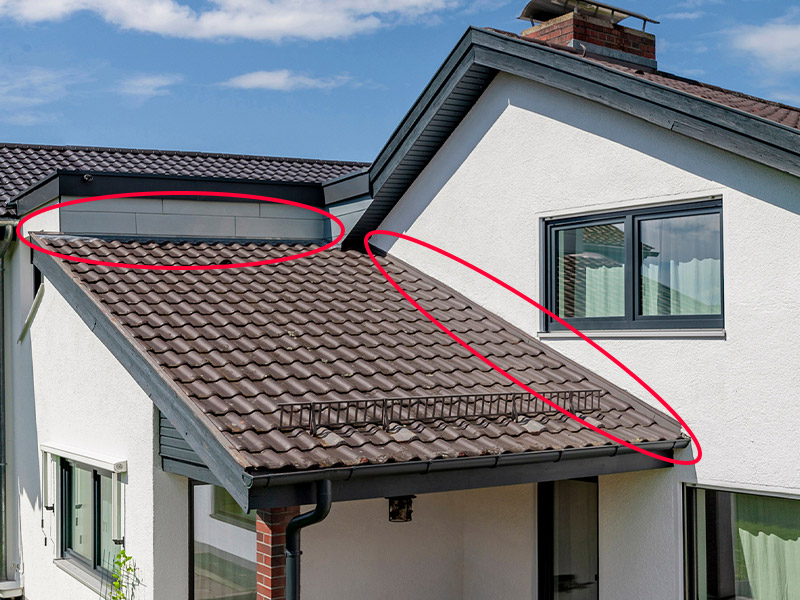
When a house is extended with additional parts, such as a kitchen or a garage, it is often constructed with walls adjacent to the house and designed with a roof that is lower than the original. Even if it is designed as a butterfly roof or has an extended eave, if the walls and roof are not tightly connected, there is a chance of leaks. Furthermore, if the roof style chosen is not suitable for the structure, it can also lead to water entering the house. The solution is to identify where the leak is coming from. If it is due to the structure, the roof must be removed and reinstalled correctly. However, if it is due to gaps or cracks in the joints, waterproofing products can be applied to seal them.
How much does it cost to repair a leaking roof?
The cost of roof repair will depend on the leak issue, the method, the materials, and the area, which cannot be specified clearly. However, generally, before repairing the roof, there will be an on-site survey cost starting at approximately 2,000 – 2,500 Baht. For roof painting, the price starts at around 35,000 Baht, or for waterproofing a rooftop, it starts at about 48,000 Baht per 100 square meters.
- In some companies, the on-site survey cost can be deducted from the repair cost.
- In some companies, the on-site survey cost includes basic repair costs as well.