Transform your dingy bathroom into a clean, fresh, and mold-free space with easy DIY care methods you can do at home. Black Mold is a type of mold that thrives in areas with high humidity, especially in bathrooms where there is little sunlight or poor ventilation, such as in grout lines, bathroom walls, or the floor in the shower area. Many people may see it as just a dirty stain that makes the bathroom look old and unclean, but in reality, black mold can have more health impacts than you might think. If left untreated, this article will introduce you to the causes of black mold, the potential dangers, along with 7 easy DIY methods to eliminate black mold in the bathroom and ways to prevent this issue from returning.
What is black mold in the bathroom?
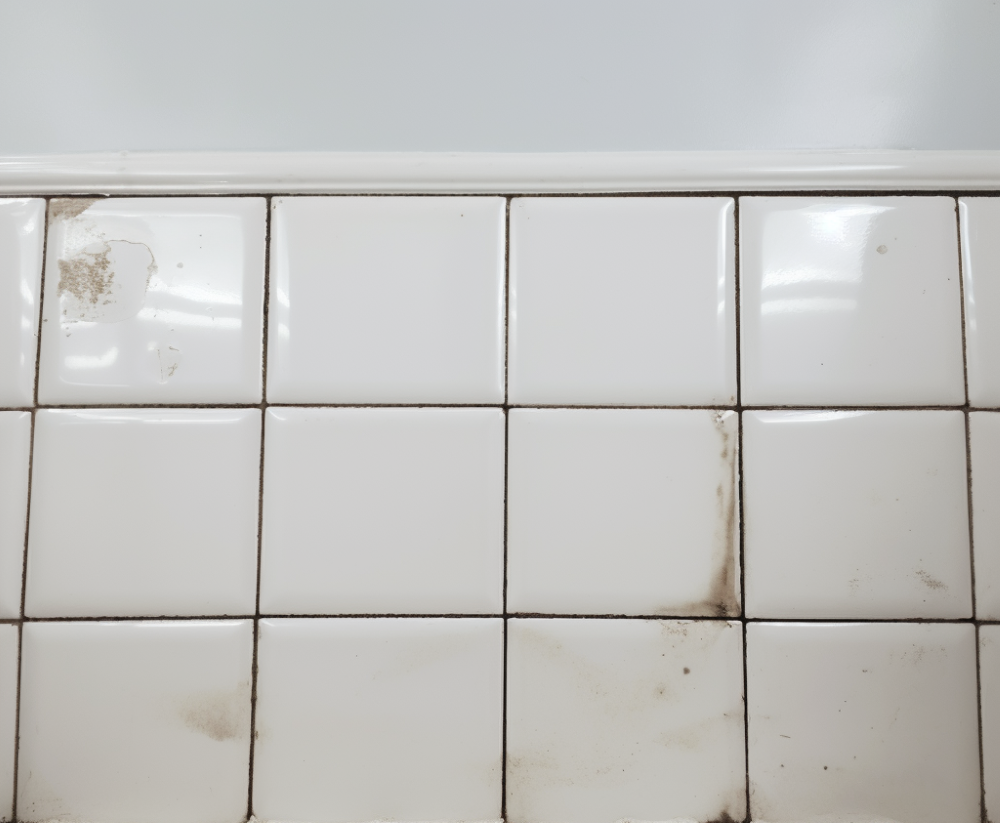
Black mold, scientifically known as Stachybotrys chartarum, is a type of mold commonly found in areas with accumulated moisture and poor air circulation. In bathrooms, mold typically appears as dark black or dark green stains in grout lines, on walls, floors, or in areas that regularly collect water. When mold grows, it releases mold spores into the air, which can affect the health of the residents in the home,
especially among at-risk groups such as
- people with allergies,
- asthma patients,
- young children and the elderly,
- and those with weakened immune systems.
Symptoms that may arise from exposure to mold spores include
- chronic cough,
- frequent sneezing,
- nasal congestion,
- eye irritation,
- and sore throat.
- Skin rashes
- Wheezing in asthma patients
Although some types of black mold may not be severely harmful to the general public, allowing mold to accumulate in the home for an extended period can lead to long-term health problems.
Causes of black mold in the bathroom
Before removing mold, it is essential to understand the causes of black mold to prevent it from recurring in the future.
1. Moisture accumulation in the bathroom The bathroom is an area where water is used continuously. If there is no proper ventilation, steam from showers will accumulate inside the room, leading to high humidity, which creates a suitable environment for mold growth.
2. Bathrooms without sunlight Mold tends to thrive in dark or poorly lit areas. Bathrooms without windows or sunlight are therefore more likely to develop black mold.
3. Deteriorated grout Old grout can crack, absorb water, and become a breeding ground for mold.
4. Inconsistent cleaning Soap scum, shampoo residue, or dirt that accumulates in the bathroom can provide food for mold to grow.
7 Easy Ways to Remove Black Mold in the Bathroom
If you find black mold in the bathroom, it should be removed immediately to prevent the mold from spreading to other areas.
1. Use natural vinegar
Vinegar is a natural method that helps eliminate mold.
How to use
- Pour vinegar onto the black mold stains in the grout.
- Leave it for about 1–2 hours.
- Rinse with clean water.
This method is suitable for general surfaces but should be avoided on marble or granite as it may damage the surface.
2. Use baking soda mixed with warm water
Baking soda is another safe method that does not have a strong odor.
How to use
- Mix baking soda with warm water to form a thick paste
- Apply to the moldy spots
- Gently scrub with a brush
- Rinse off with clean water
3. Use diluted bleach
Bleach can effectively eliminate mold
How to use
- Spray bleach on the black stains
- Leave for about 15–30 minutes
- Scrub and then rinse off
Precautions
- Wear gloves and a mask while using
- Never mix bleach with toilet cleaners as it may produce harmful toxic gases
4. Use alcohol for disinfection
For mold that has just started to grow, you can spray or wipe with alcohol to stop the growth of mold
5. Install an exhaust fan in the bathroom
An exhaust fan helps reduce humidity from steam after showering, allowing air circulation and reducing the chances of mold growth in the long term
6. Open windows or ventilation openings
Allowing sunlight and wind into the bathroom will help reduce humidity, eliminate musty odors, and prevent the growth of black mold
7. Choose mold-resistant caulk
In addition to cleaning, choosing caulk that contains mold inhibitors will help reduce the chances of black mold in the long term
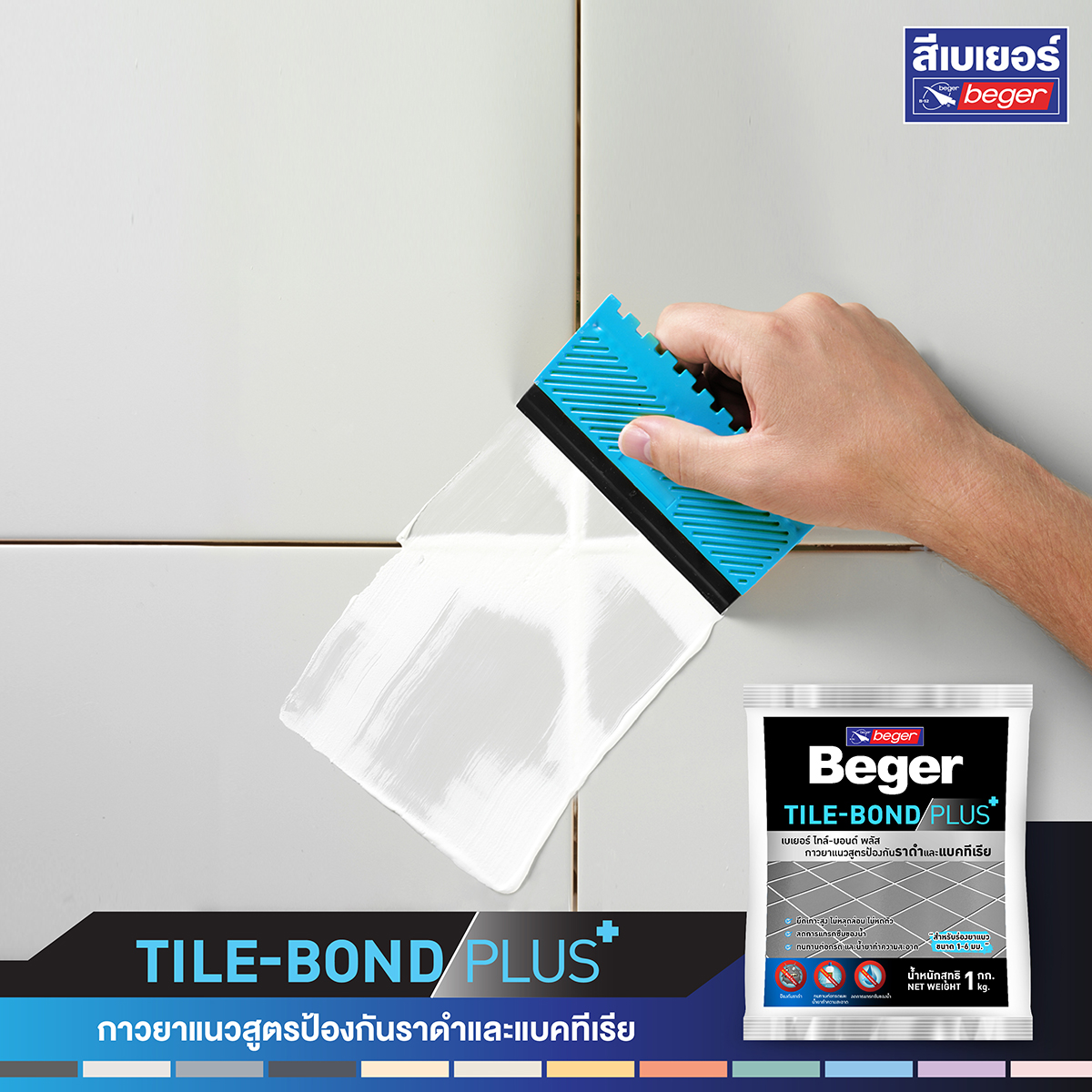
Recommended products to prevent black mold in the bathroom
Beger Tile-Bond Plus is a caulk specifically designed for tile joints that helps reduce problems with black mold and mildew in the bathroom
Key Features
Contains anti-fungal, black mold, and bacteria inhibitors
- Reduces water absorption
- Resistant to acids and cleaning agents
- Available in a variety of colors
- Suitable for grout joints of 1–6 mm
Usage Recommendations Quality grout will help keep the bathroom clean and reduce mold problems for a longer time
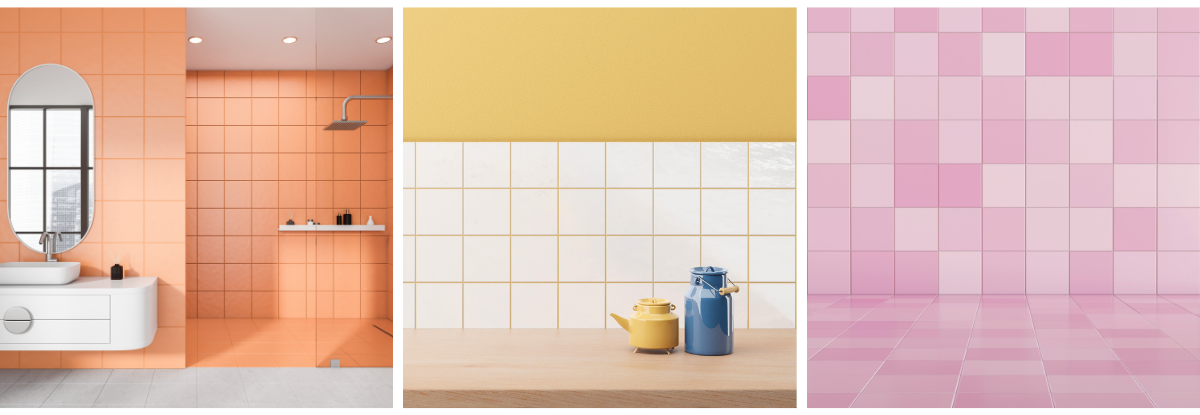
If black mold spreads, it is advisable to re-grout
If mold is deeply embedded in old grout or recurs despite cleaning, it may be necessary to remove the old grout and reapply Re-grouting can be done easily and helps restore the bathroom to a clean, like-new appearance
Long-term prevention of black mold in the bathroom
To prevent black mold from returning, regular maintenance of the bathroom is recommended, such as
- turning on the exhaust fan after showering
- opening windows for ventilation
- wiping down bathroom floors and walls to dry
- cleaning grout lines regularly
- using materials with mold-resistant properties
Proper bathroom maintenance will help reduce humidity and sustainably lower the chances of mold growth
DIY Grout Repair Video
🎥 Click to watch the short video: “DIY Grout Repair Made Easy for Beginners”
Summary: Address black mold before it’s too late
Black mold in the bathroom may seem like just a small stain, but if left untreated, it can affect health and cause deterioration of the bathroom. Properly removing mold, along with prevention from the start, such as good ventilation, regular cleaning, and using grout sealants that contain mold inhibitors, will help keep the bathroom clean, safe, and reduce black mold problems in the long term.
FAQ: Frequently Asked Questions about Black Mold in the Bathroom
Q1: Is black mold in the bathroom dangerous?
A1: Black mold in the bathroom can release mold spores into the air, which may trigger allergy symptoms, coughing, sneezing, nasal congestion, or eye irritation, especially in children, the elderly, and those with asthma. If left for a long time, mold can spread and affect indoor air quality.
Q2: What causes black mold in the bathroom?
A2: Black mold in the bathroom is caused by accumulated moisture, poor air circulation, and surfaces with water or soap residue buildup, such as grout lines, walls, or bathroom floors. Areas that lack sunlight and have high humidity for extended periods will allow mold to grow easily.
Q3: What is an effective way to remove black mold in the bathroom?
A3: Black mold in the bathroom can be removed easily using methods such as vinegar, baking soda, diluted bleach, or alcohol to clean the areas with mold. After that, it is advisable to scrub the grout lines and rinse with clean water to reduce future mold accumulation.
Q4: Can black mold stains in grout be washed away?
A4: Black mold stains in grout can be washed away. If it is newly formed mold, it can be cleaned with baking soda or vinegar. However, if the mold is deeply embedded in old grout, it may be necessary to scrape off the old grout and apply new grout to solve the problem permanently.
Q5: How can I prevent black mold in the bathroom from recurring?
A5: Preventing black mold can be achieved by reducing moisture in the bathroom, such as turning on the exhaust fan after showering, opening windows to let in sunlight and air, drying the bathroom floor, and choosing grout sealants that contain mold inhibitors to help reduce the chances of black mold in the long term.