Mold and Algae Rainy Season Home Problems It’s heartbreaking, but even if it’s not the rainy season, it can still sneak up on you. The cause of this problem is “moisture,” whether from cracks, leaks, or moisture from the ground. The more moisture accumulates, the more frequent the occurrence. Many people who want to eliminate it may resort to scrubbing or spraying, but they find that the original problem returns shortly after because the actual mold hasn’t been eradicated. Today, Beger brings tips Methods to Eliminate Mold and Algae from every area of your home completely and prevent the problem from recurring.
Types of Mold and Algae Commonly Found on Surfaces
Mold and algae not only make your home unsightly but can also make you sick, as mold produces spores that are harmful to humans or pets, and algae can be a breeding ground for germs. If on the floor, it may cause slip-and-fall accidents. It is best to quickly eliminate mold and algae from your home. First, let’s get to know the types of mold and algae commonly found in homes.
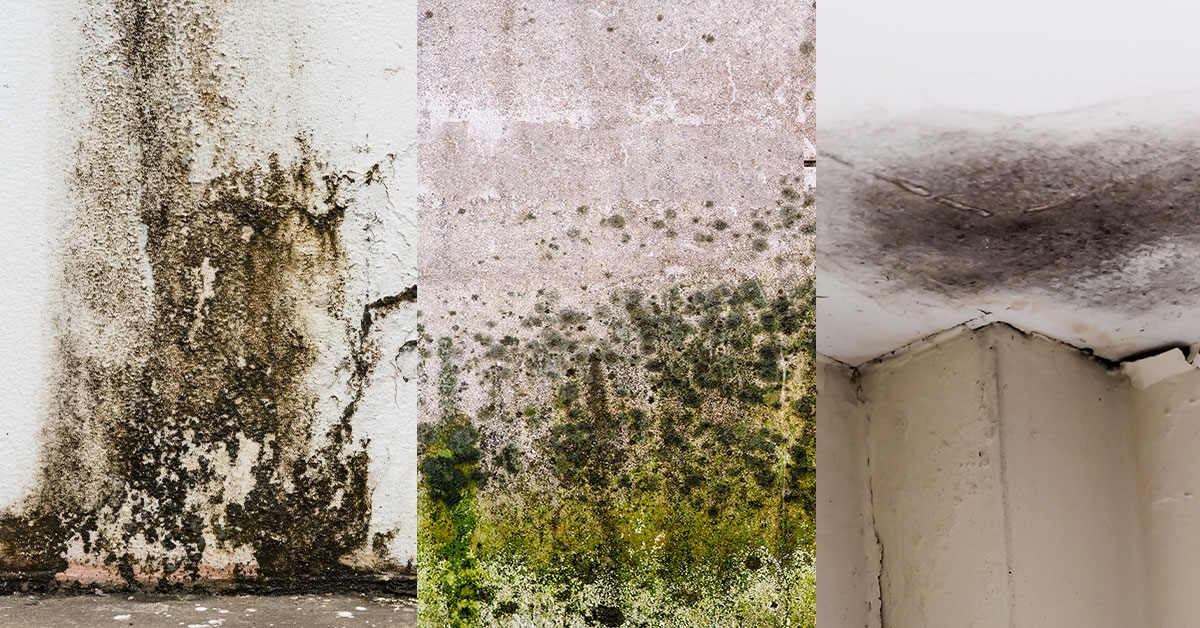
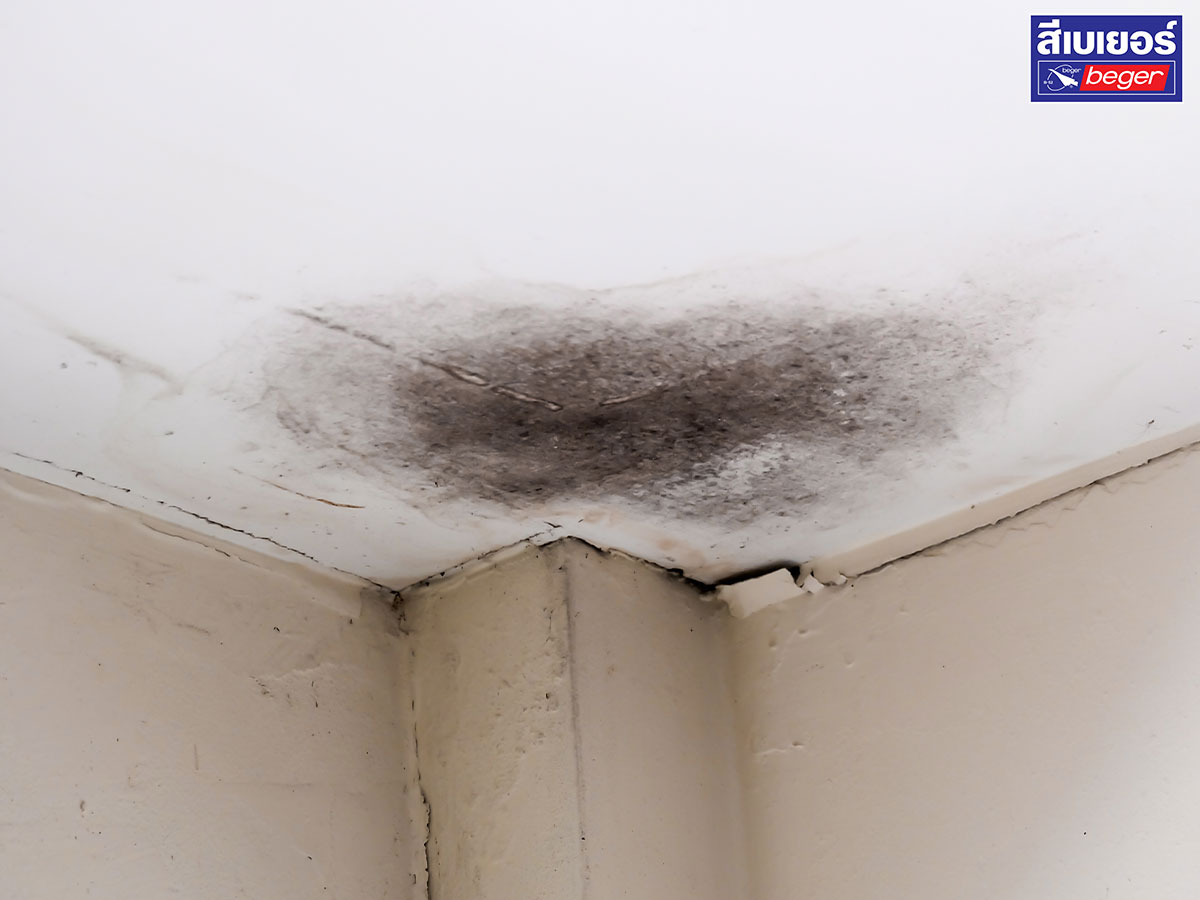
Black Mold
is the most commonly found mold in homes, especially in areas with high humidity, such as basements, walls, ceilings, or home exteriors. It appears as black spots or dense patches of black. Some strains of black mold can produce toxins that are harmful to us and pets.
White Mold
White mold is often misunderstood because its appearance resembles white salt stains on surfaces (Efflorescence). To identify it, spray water on the affected area; if the white stain remains, it is mold, not salt residue.
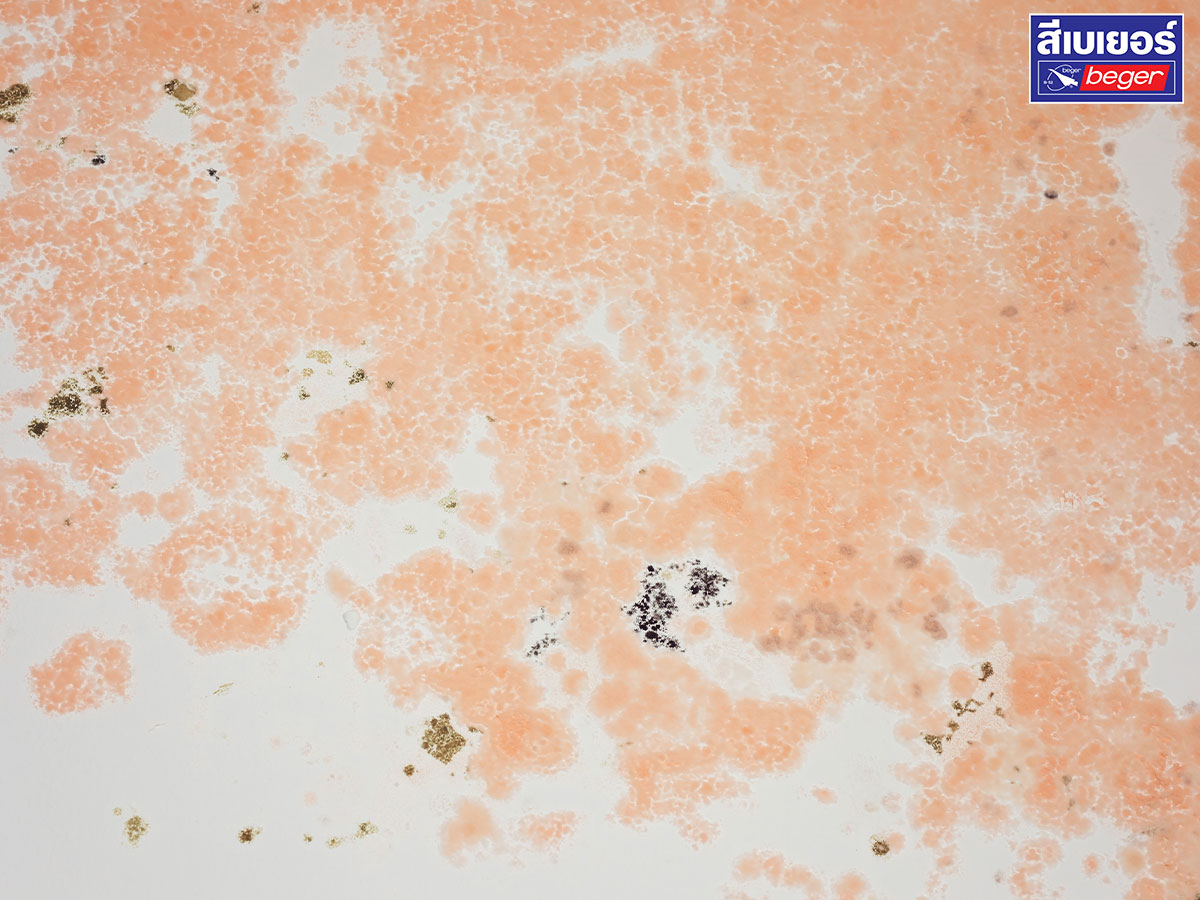
Algae
Algae, or moss, is a type of algae that appears as greenish stains on various surfaces. Many people may refer to it as moss. It is a type of algae that thrives in moisture and sunlight. If it grows on the floor, it can be slippery, increasing the risk of accidents if stepped on.
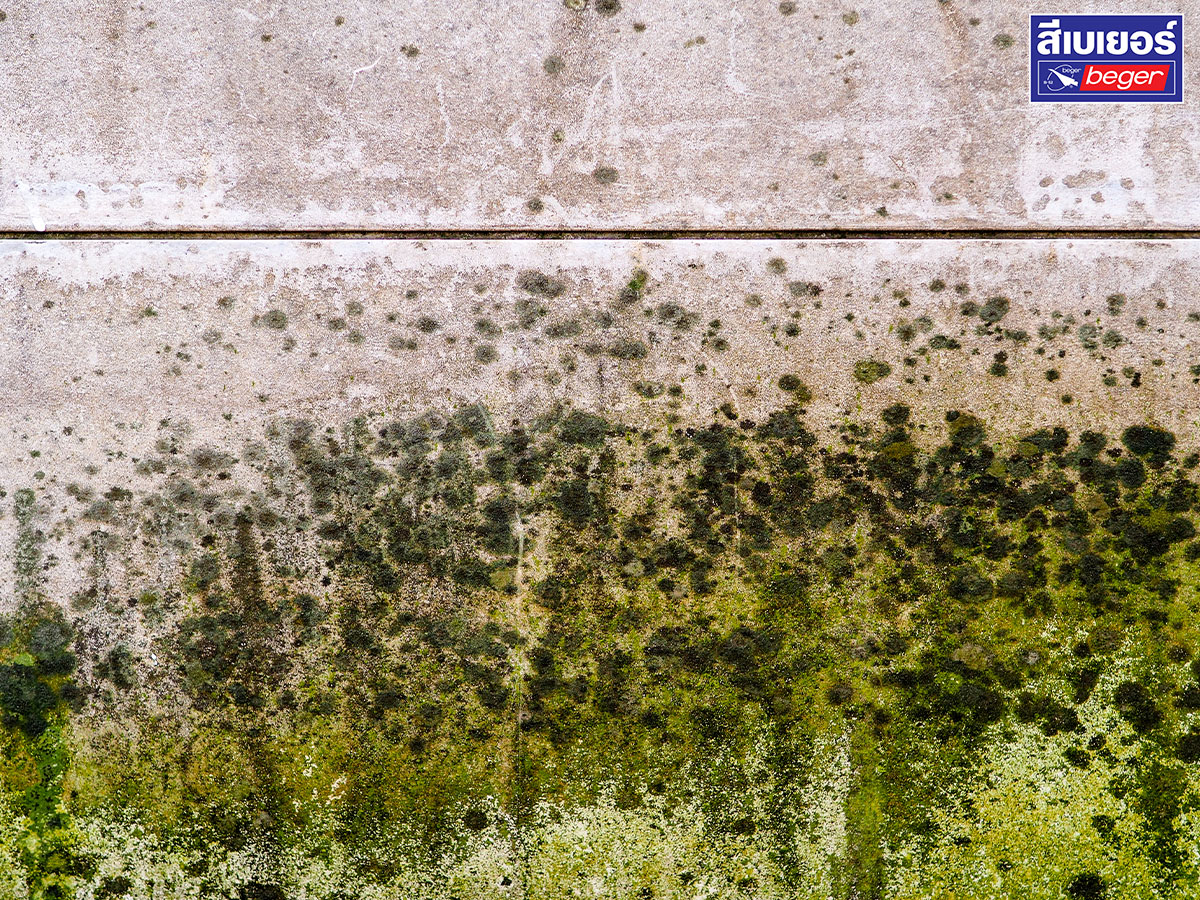
Steps to Completely Eliminate Mold and Algae
Importantly, it should be addressed with the correct methods to prevent the spread or recurrence of mold.
1. Scrubbing and Cleaning
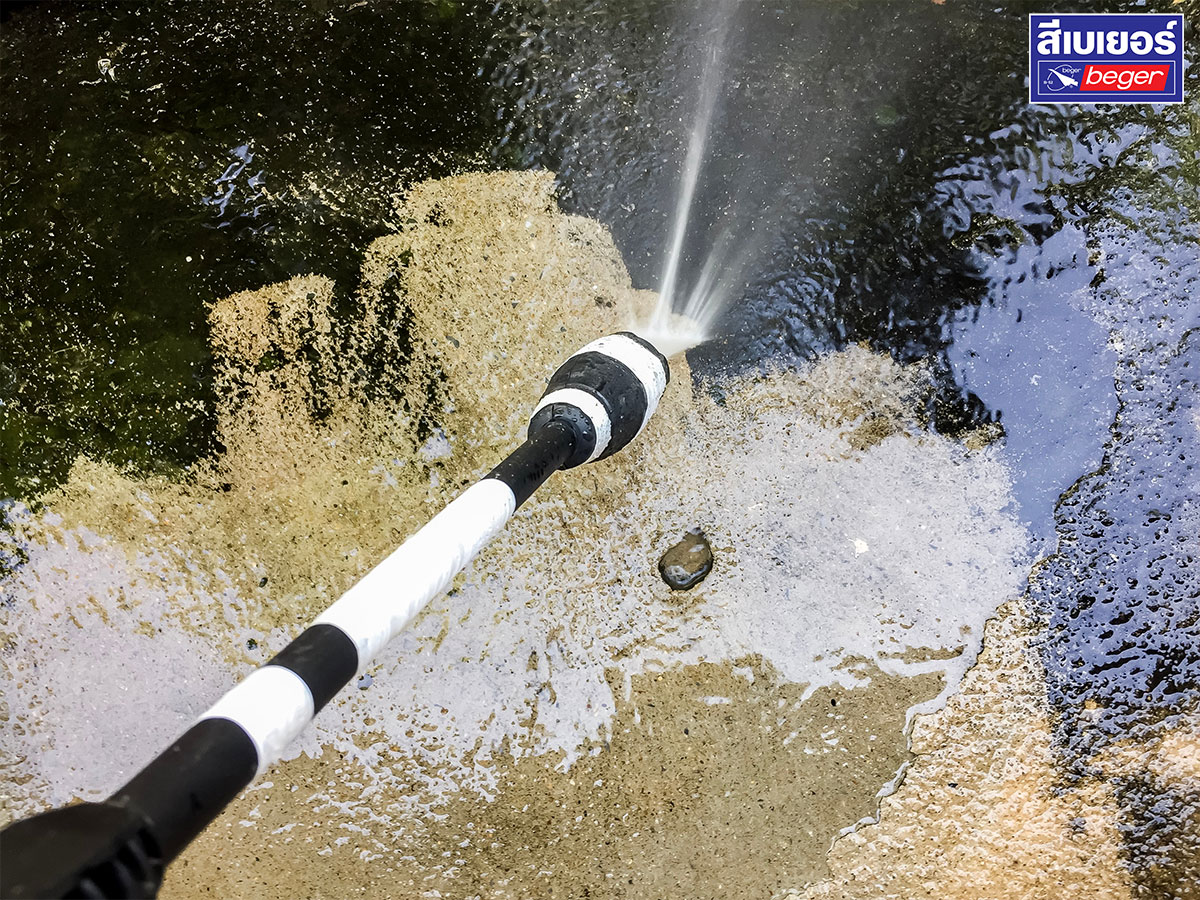
Whether you want to remove mold from walls, ceilings, or floors, the first thing to do is to scrub and clean the surfaces. You may use a brass brush or a high-pressure water sprayer to scrub off as much mold and algae as possible. However, be cautious:Do not scrub mold while the surface is dry!This will cause spores to spread to other areas and harm your health. You must scrub while the surface is wet. Additionally, you should wear goggles or a mask while cleaning for safety.
- In the case of ceilings, if it is a T-bar type, it is advisable to remove and wash each panel one at a time.
- If you don’t have a brass brush, you may use other metal brushes.
- A high-pressure water sprayer should be chosen with a pressure of 100 bars or more.
- During cleaning, the color film may peel off.
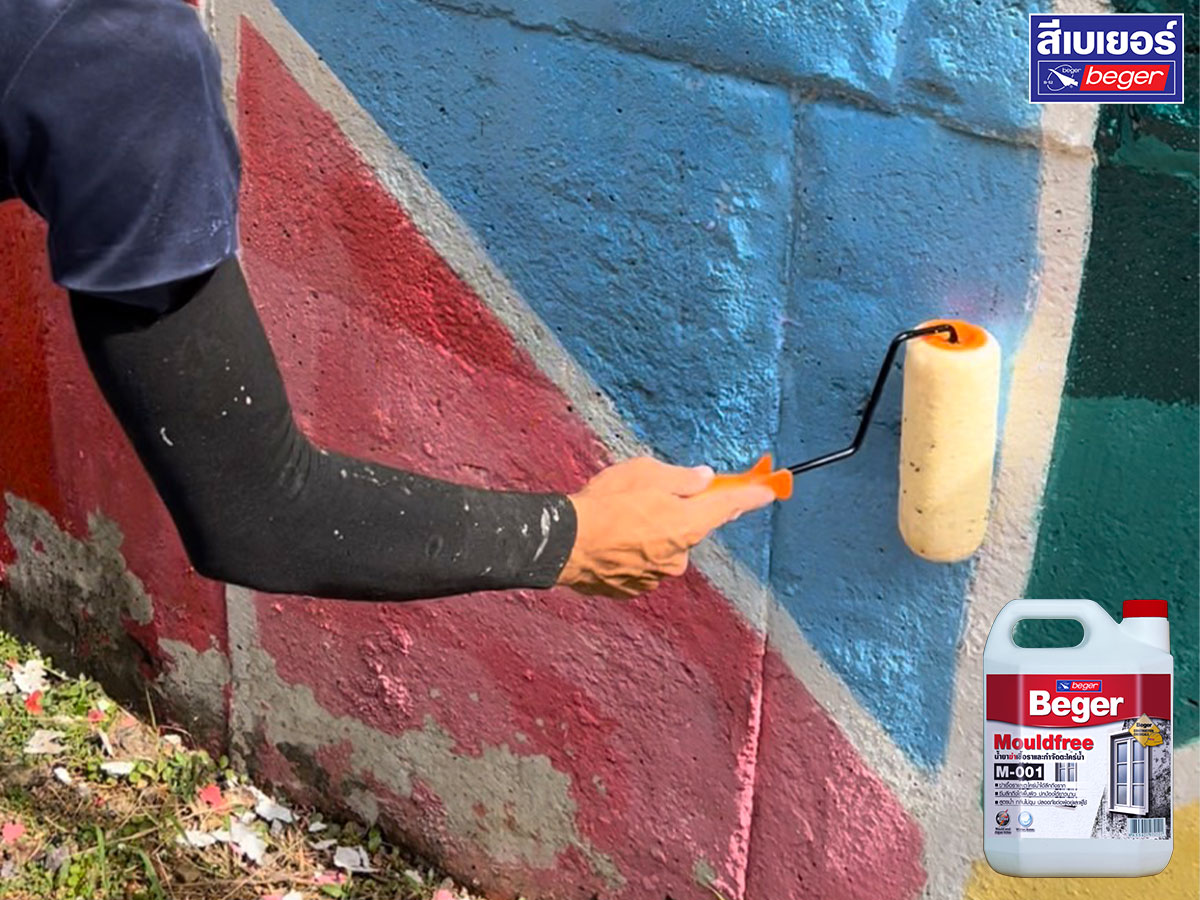
2. Use a fungicide and algae killer.
After scrubbing and cleaning, leave the wall to dry completely for at least 24 hours before applying. Fungicide and algae killer Beger Moldfree M-001 On problematic surfaces, apply 1 coat and allow to dry for at least 3 hours without rinsing, then proceed to paint according to the system, including high-moisture-resistant primer, exterior paint, or Interior paint This solution will help eliminate any remaining fungi down to the roots, while also providing long-lasting protection against the regrowth of algae.
In the case of flooring, after applying a fungicide for algae, for maximum protection, you may coat the floor with a clear waterproofing sealant. Beger A-200 PU Hybrid Another 2 applications to block moisture will make it even harder for mold and slime to recur.
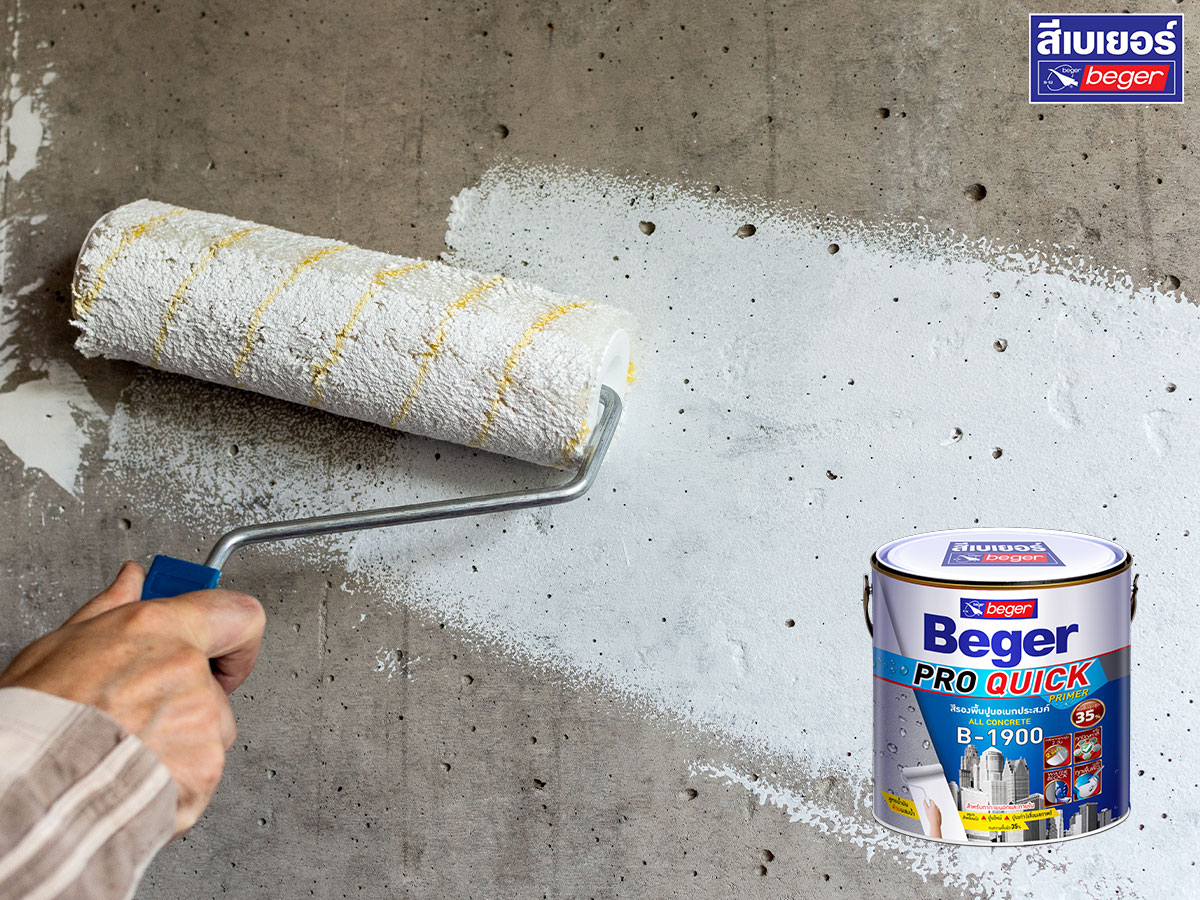
3. Apply high moisture-resistant primer paint.
Even after cleaning and applying a fungicide, sometimes black stains and green marks may still be visible and will remain. If you want to eliminate those stains, repainting is the only solution. In the painting system, the first coat that should be applied is Foundation color It is recommended to use a white primer with high moisture resistance properties, such as Beger Pro Quick Primer B-1900 This will help reduce the chances of such problems occurring because, as mentioned above, algae thrive in moisture. If the surface is not damp, mold will not develop.
4. Paint with anti-mold and algae properties
Some may not know that house paint, whether interior or exterior, can also help prevent the growth of mold and algae. This is especially true for high-grade paints, such as exterior paint. Beger Cool Diamond Shield 15 or interior paint Beger Shield Air Fresh Anti-Virus Gold Ion
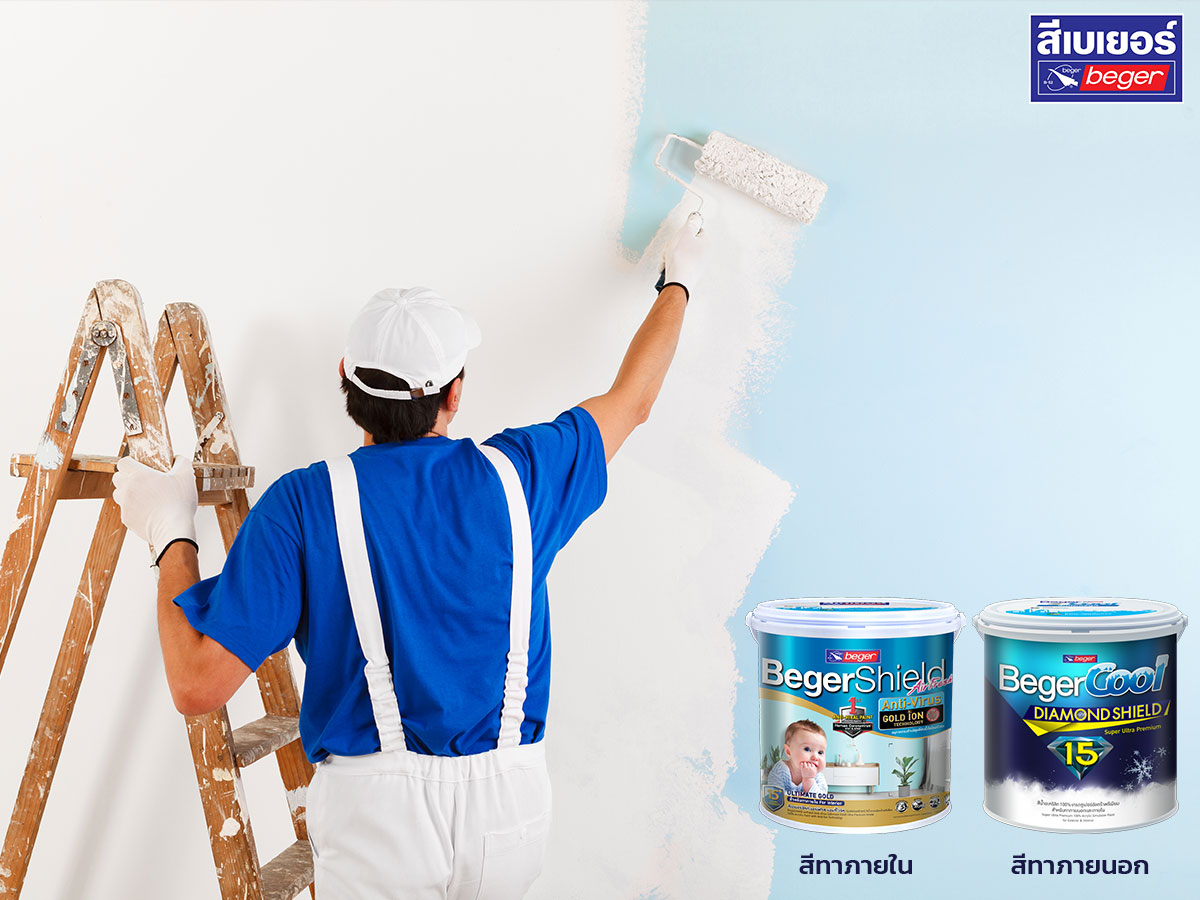
How to eliminate slime mold. Beger recommends a method to prevent the aforementioned problem from recurring for a long time. However, if the surface continues to be exposed to moisture, mold and algae may have the opportunity to reappear (although it may take longer than usual due to the effect of the antifungal solution that has been applied). You should regularly check areas with moisture in your home and promptly take action to resolve issues, in order to avoid other problems that may arise from moisture, such as leaks, peeling, or cracking.