
“Why do metal paint or wood paint, especially white paint, turn yellow?” This is one of the common issues that homeowners and painters encounter, especially when using oil-based paint, and they find that over time, the clean white paint film turns noticeably yellow. Many people understand this as a quality issue with the paint, but in reality, this phenomenon is a “natural characteristic of paint,” particularly Alkyd-based paints that are commonly used for metal and wood painting because they provide a hard, glossy, and durable paint film. However, while it may not be 100% avoidable, it is possible to “reduce yellowing” if one understands the causes and chooses the appropriate products from the start.
Why does oil-based paint turn yellow?
The issue of yellowing oil-based paint often occurs with Alkyd-based formulas, which have outstanding properties in terms of gloss and strength, but have the limitation that over time they undergo “oxidation reactions” with the air.
As a result:
- White paint turns yellow
- Light colors become dull
especially in white wood paint or light-colored metal paint, where the changes are more noticeable than in darker colors.
The main causes of oil-based paint yellowing
1. Insufficient light (a misconception many people have)
A common belief is that “exposure to sunlight causes the paint to yellow,” but in reality, it is the opposite.
Areas that are “low light,” such as:
- inside cabinets
- under stairs
- dark corners
will yellow faster than areas exposed to light because there are no UV rays to help slow down the reactions in the paint.
2. Contact with ammonia
Ammonia accelerates the yellowing of paint and is often found in:
- Glass cleaner
- Floor cleaner
- Certain types of cleaning agents
When used in areas painted with oil-based paint, especially white wood paint the yellowing will become more apparent
3. Chemical reaction of alkyd paint
The structure of alkyd paint contains oil, which, when reacting with air and chemicals in the environment, will gradually change color tone over time
This is the reason that:
- new paint will be white
- over time, it will turn yellow
Ways to reduce yellowing of oil-based paint (preventive measures)
Although it cannot be prevented 100%, yellowing can be “slowed down” with these methods
- Apply in well-lit and ventilated areas
- Avoid cleaners that contain ammonia
- Do not use water-based paint near areas painted with oil-based paint
especially for metal paint and white wood paint choose formulas that reduce yellowing from the start

Ways to reduce yellowing of oil-based paint
Although it cannot be prevented 100%, the risk can be reduced with these methods:
- Apply on surfaces that are well-ventilated and have access to light
- Avoid using cleaning products that contain ammonia
- Do not apply water-based paint over or near areas using oil-based paint
How to fix when oil paint starts to yellow
1. Sand and repaint
- If the original paint film has yellowed significantly affecting aesthetics, you may need to sand off the old paint and repaint.
- If the surface is deteriorating and peeling, you must completely sand off the old paint.
- If it is still in good condition, use fine sandpaper to lightly sand the surface to enhance adhesion before repainting.
2. Switch to “Acrylic Resin Oil Paint”
A new innovation that effectively reduces yellowing issues, such as
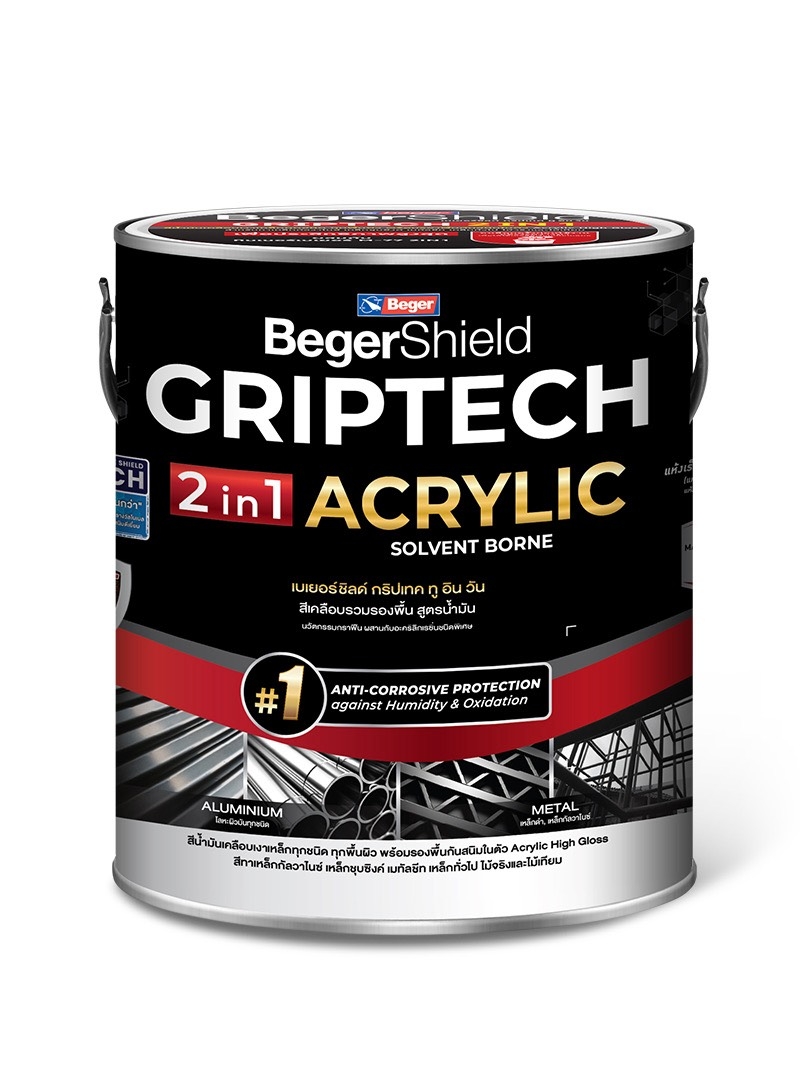
BegerShield Griptech 2in1– a versatile glossy oil paint suitable for both wood and metal, helps reduce yellowing better than standard alkyd formulas, dries quickly, and is more resistant to sun and rain.
This option is ideal for those who do not want to see color changes in a short time, especially for indoor work that requires a white film to maintain brightness for a long time.
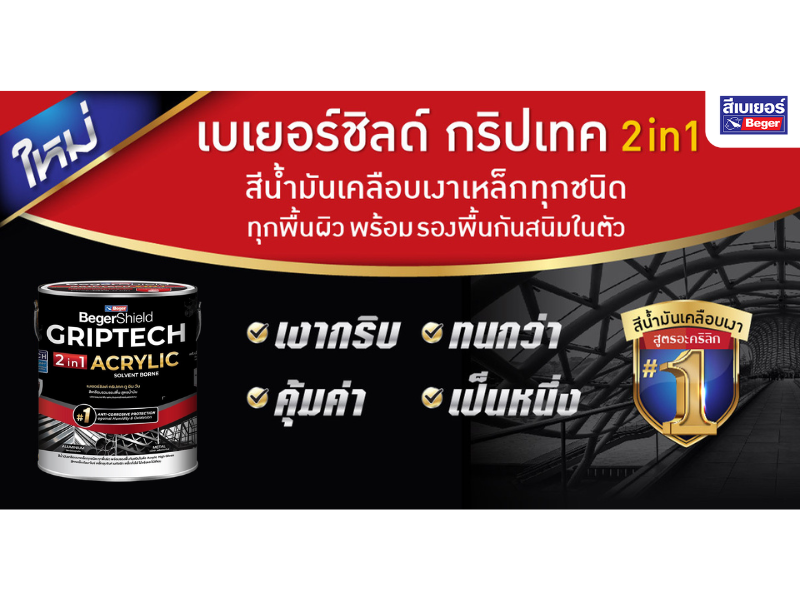
Prevention is better than cure. If you are looking for oil paint for wood or metal that provides durable results without yellowing quickly, consider using the new formula developed with acrylic resin like BegerShield Griptech 2in1 that meets the needs for durability, aesthetics, and value.
Product Recommendations
FAQ Frequently Asked Questions about yellowing paint issues
Q1: Why does oil paint yellow, and what causes it?
A: Oil paint, especially alkyd formulas, reacts with air and light, causing the color to change to a yellow tone, especially in low-light areas.
Q2: Is white wood paint more prone to yellowing than other colors?
A: Yes, because white and light colors show changes more clearly than dark colors.
Q3: Is there a way to prevent yellowing of oil paint?
A: It is advisable to use acrylic resin-based paint and avoid dark or ammonia-rich areas.
Q4: What should be done if the paint has already started to yellow?
A: Sand the surface and repaint, or switch to a formula that reduces yellowing.
The issue of yellowing oil paint is not solely a matter of painting mistakes but is a result of the natural properties of alkyd paints that undergo chemical reactions over time, especially in white or light-colored paints where changes are more noticeable. Therefore, selecting the appropriate paint for the intended use from the beginning, whether for metal or white wood surfaces, along with avoiding factors that accelerate yellowing, such as dark areas or ammonia, is the best way to prolong the beauty of the paint film. If long-lasting results are desired, choosing acrylic resin-based oil paint specifically developed to reduce yellowing issues is a solution that meets both aesthetic and performance needs today.
Thanks for the information from Government of Western Australia