
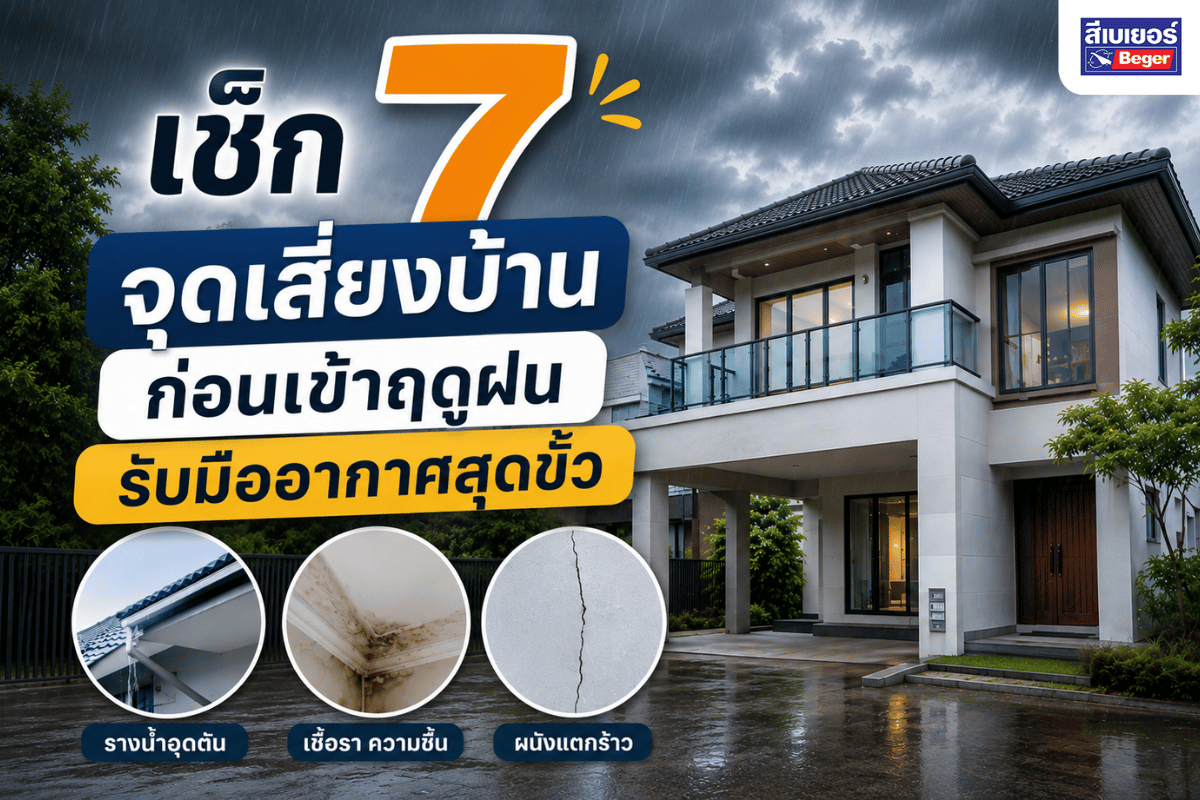
When Thailand enters the era of “Climate Shift” With the rain no longer falling as it used to and the sun not shining as intensely, many homes are beginning to face problems more quickly. Issues such as leaking roofs, damp walls, water seepage, clogged gutters, and electrical short circuits from accumulated moisture are becoming more common due to extreme weather conditions creating “Stress on homes” more than ever before. Especially in 2026, when heavy rains and increased rainfall accumulation are expected, preparing your home before the rainy season is not just about aesthetics but is crucial for preventing damage to the structure, ensuring safety, and protecting the health of family members. This article will guide you through checking 7 key risk areas of your home, along with professional prevention methods and solutions, so that your home is ready to face Climate Shift with confidence.
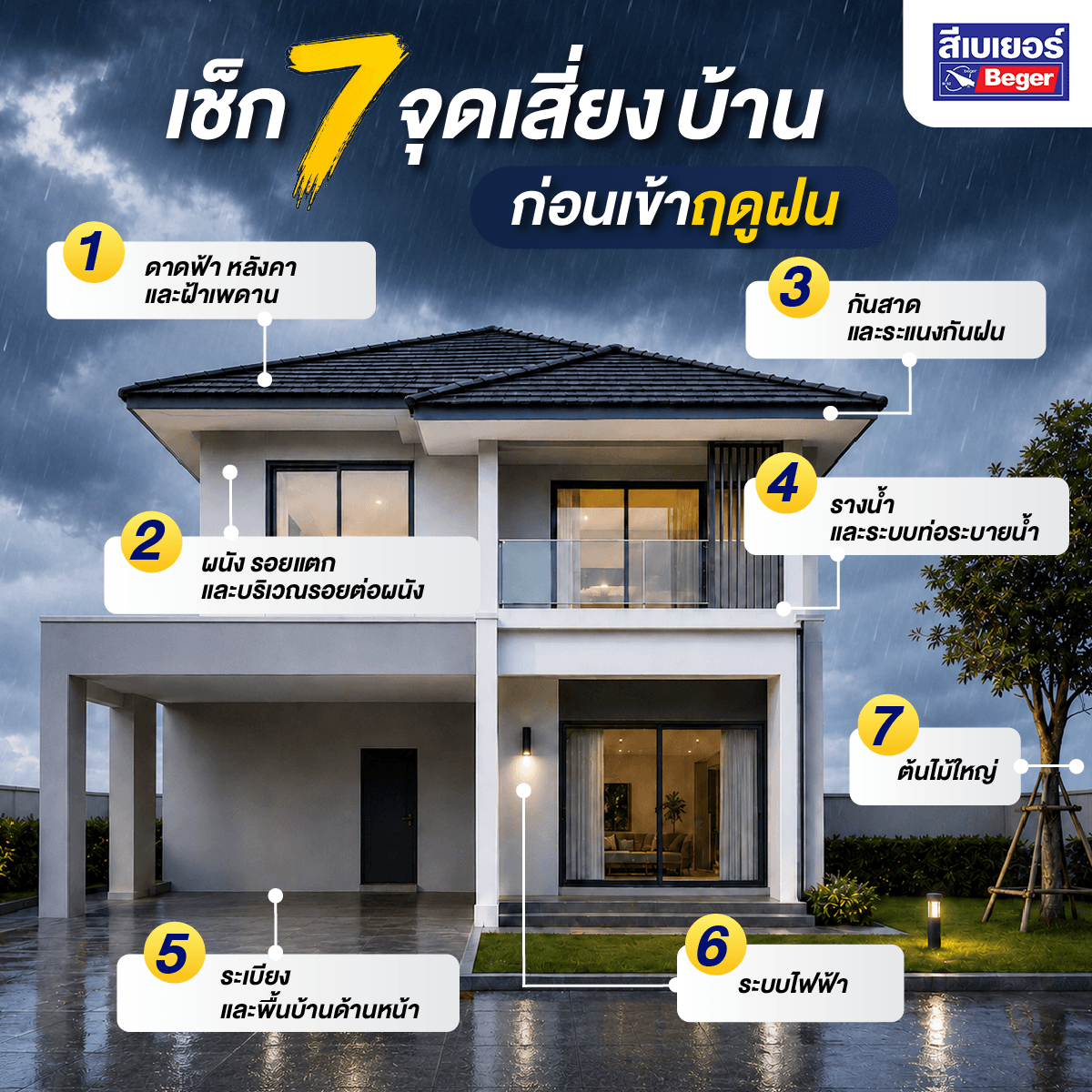
1. Rooftop, roof, and ceiling
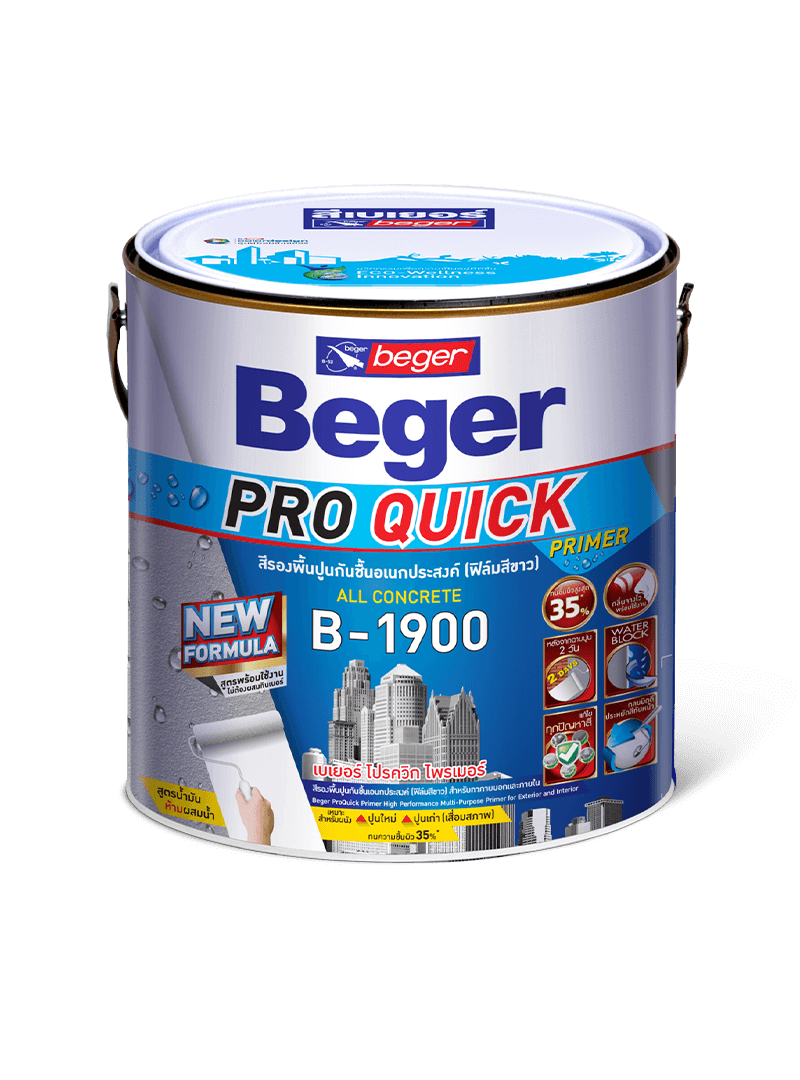
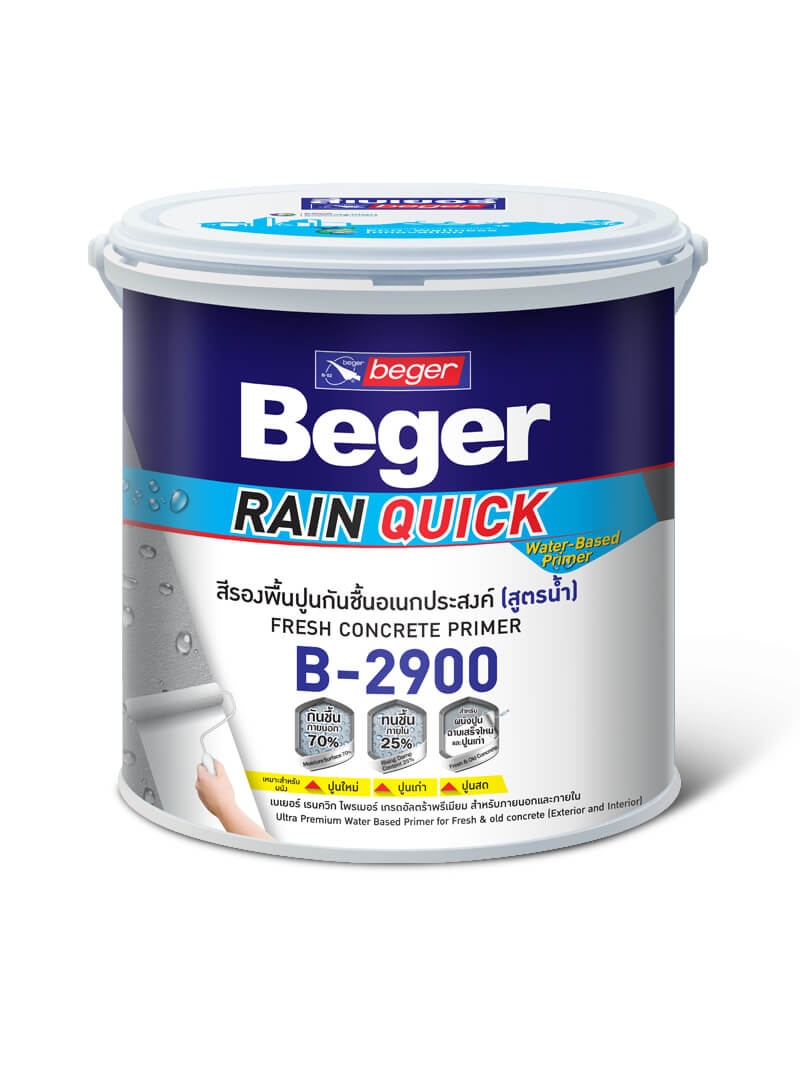
The top risk areas that often start to have problems immediately when the first rain falls. Rooftops and terraces are areas that must endure both sunlight, heat, and rain throughout the year, especially before the rainy season when the weather is extremely hot. The materials on the roof and terrace will expand and accumulate, and when faced with continuous heavy rain, they will contract rapidly, resulting in surface cracks and making it easy for water leakage problems to occur. Many households often start to notice issues from the ceiling, such as water stains, blistering paint, sagging ceilings, or dripping water during heavy rain. In reality, the root cause may stem from a terrace or roof that has been deteriorating for a long time. Before the rainy season, it is advisable to check for cracks and water pooling. If problems are found, it is important to repair them promptly using waterproofing products such as Beger ROOFSEAL Cool Waterproofing chemicals for roofs and terraces, Beger Pro Quick Primer B-1900 Multi-purpose primer paint (oil-based) highly moisture-resistant 40% or Beger Rain Quick Primer B-2900 Multipurpose Primer Paint (Water-based) with high moisture resistance of 70% to help prevent water from seeping into the structure and extend the lifespan of the rooftop surface in the long term.
- The ceiling has yellow stains.
- Puff color
- Sagging ceiling
- Water droplets during the rain.
- There is a musty smell inside the house.
Many times, homeowners misunderstand that “Leaky house, leaky ceiling“However, the root cause may actually lie in the waterproofing system on the roof or leaks in the ceiling. If left unattended for a long time, it can not only accelerate the deterioration of the structure but also affect the electrical system in the ceiling area. Homes with flat roofs or terraces are often at greater risk of water accumulation than those with sloped roofs, as water drains more slowly. Therefore, it is important to check for ‘water accumulation points’ especially before the rainy season every year.”
Product recommendations
|
|
|
2. Walls, cracks, and wall joint areas
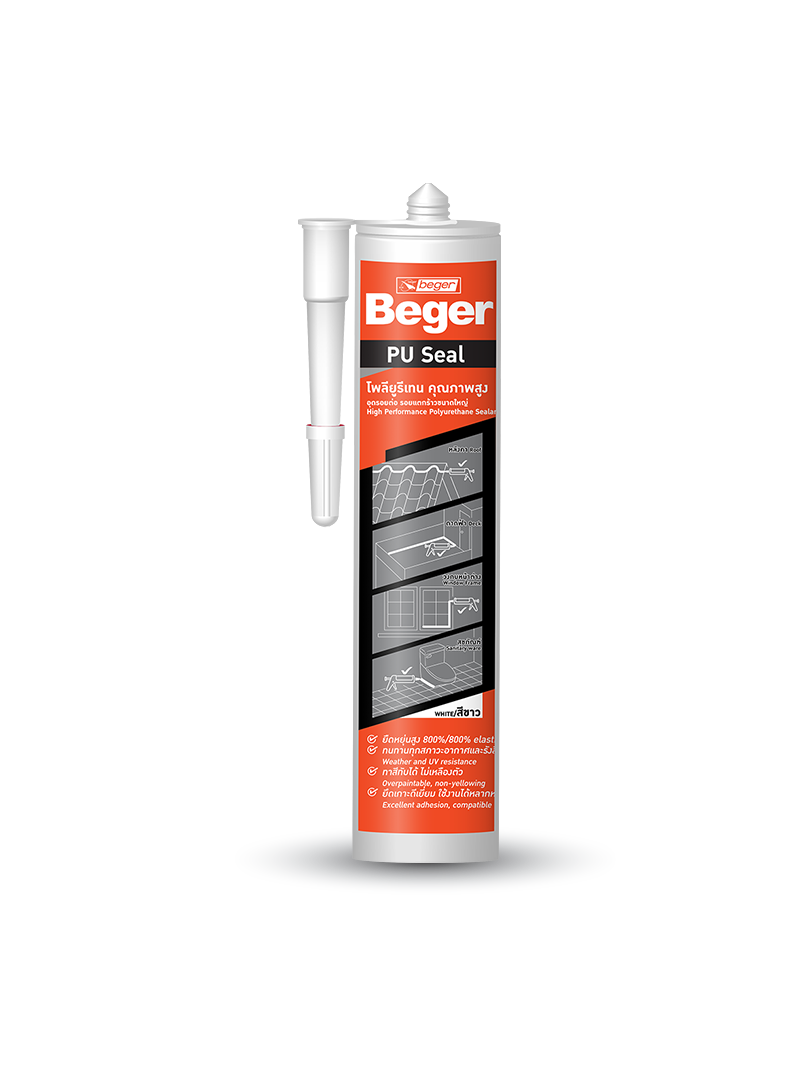
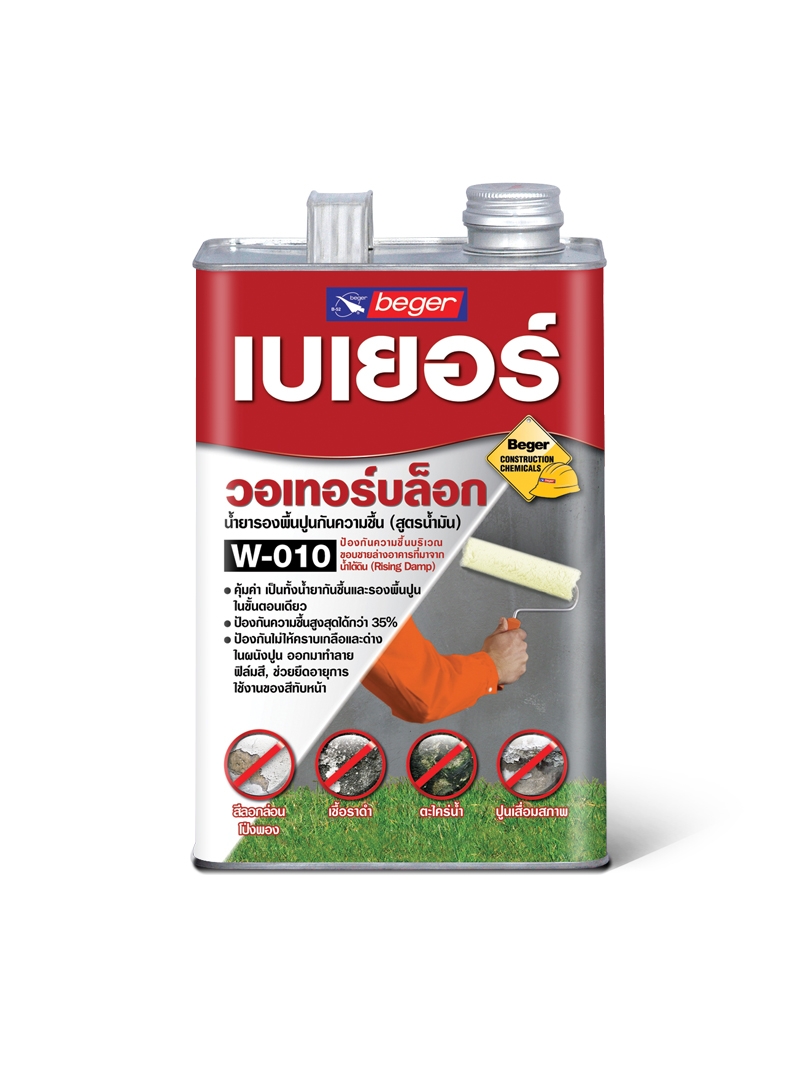
The starting point of the problem of leaking walls, peeling paint, and mold. Cracks on the walls, even if they are small, can become a pathway for rainwater to seep into the house, especially around window joints, wall corners, or walls that are regularly splashed by rain. When moisture accumulates inside the walls, problems will start to arise, such as peeling paint and blistering. Black stains, mold and swollen walls, if left untreated for a long time, may affect the internal structure. Before the rainy season, it is advisable to check for cracks and quickly repair them with suitable materials, such as Beger PU Seal a joint sealing material for filling cracks and joints in various points, especially for joints that experience movement, and it can also enhance moisture protection with Beger Water Block W-010 a primer for cement that protects against moisture from groundwater, providing moisture resistance of up to 35% to help reduce wall leakage problems during heavy rain.
In particular:
- cracks
- wall joints
- window edges
- wall corners
- walls exposed to rain
When moisture accumulates within the walls, it can lead to ongoing problems such as:
- blistering paint
- peeling paint
- black stains
- mold
- swollen walls
- deteriorated plaster
This problem is often found in houses that have been painted for a long time or houses that have not repaired cracks Before the rainy season, one of the often-overlooked points is the “joint between the window frame and the wall” because it is a point that experiences movement with temperature changes all the time, causing the original seal to deteriorate quickly and leading to water leakage during heavy rain.
Recommended products
|
|
|
3. Awnings and rain screens
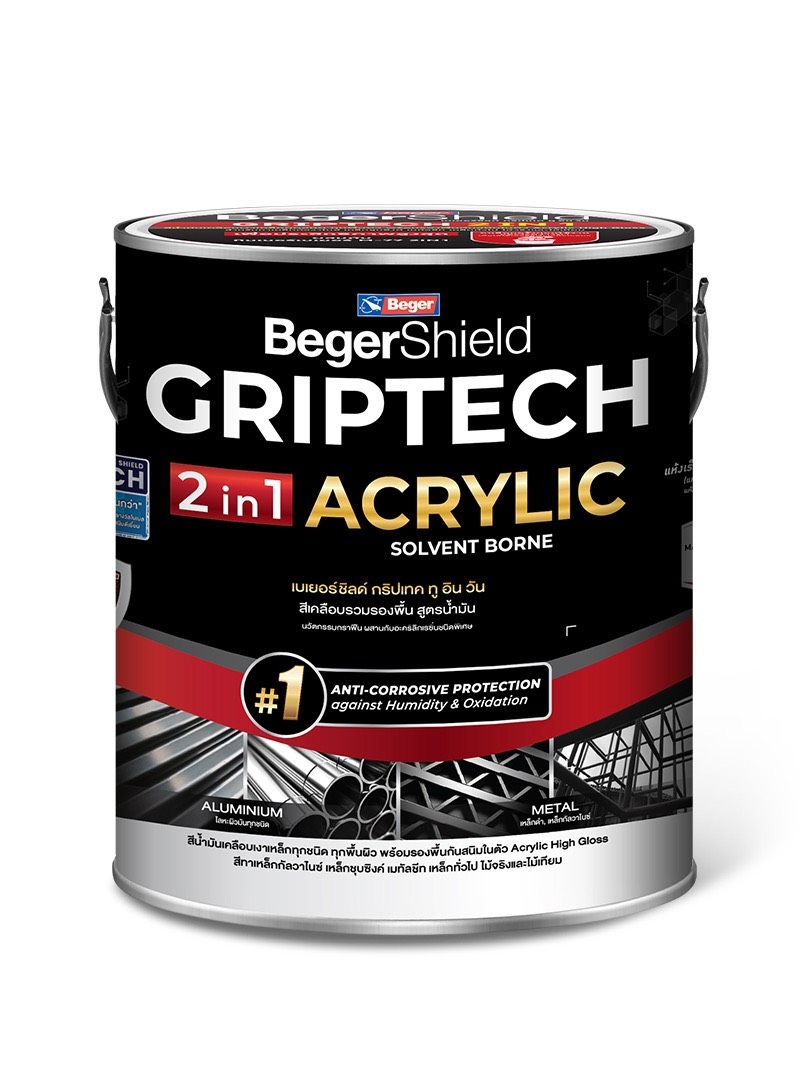
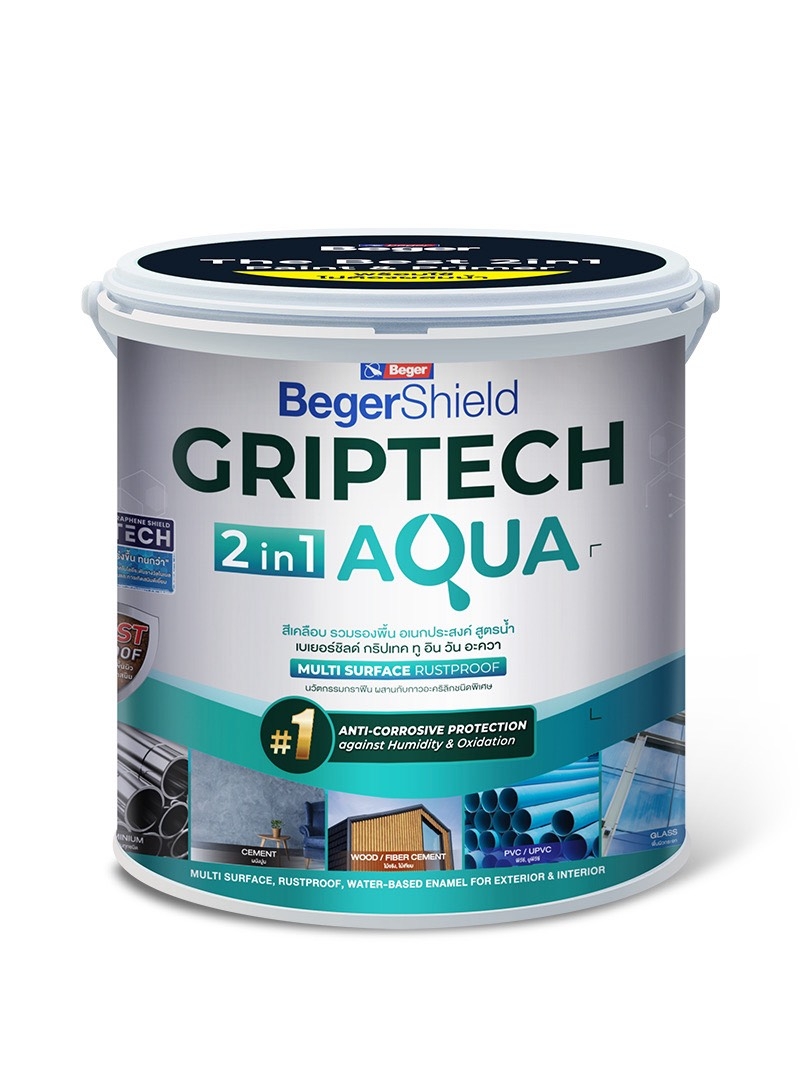
A point that helps with rain, but if it deteriorates, it may become a leak instead. Eaves and rain louvers help reduce the impact of rainwater and sunlight on the walls of the house. However, with prolonged use, materials and structures may begin to deteriorate, especially steel-frame eaves that are constantly exposed to moisture and sunlight. Common problems during the rainy season include leaks at joints, water flowing back into the house, or rust on the steel frame, which, if left unchecked, may cause the structure to weaken and suffer more damage. Homeowners should check for leaks, joints, and the condition of the steel before the rainy season. If rust starts to appear, it can be treated with BegerShield GRIPTECH 2in1 (oil-based formula) or BegerShield GRIPTECH 2in1 AQUA (water-based formula) to help coat and protect metal surfaces (rust prevention), as well as use Beger PU Seal to seal joints to help reduce water seepage during heavy rainfall.
Common problems during the rainy season include:
- Water flowing back into the house
- Water seeping at joints
- Leaking eaves
- Rust on the steel frame
- Cracked eaves panels
If it is a steel-frame eave, accumulated moisture will accelerate rust formation, causing the structure to weaken and be at greater risk of damage during storms and strong winds. Eaves installed with “insufficient slope” often experience water pooling and leaking faster than normal because water cannot drain quickly enough during heavy rainfall.
Recommended products
|
|
|
4. Gutters and drainage systems
Key points that affect water pooling, overflow, and moisture around the house. Before the rainy season, gutters often accumulate leaves, dust, and dirt, leading to poor drainage. When heavy rain occurs, problems such as overflowing gutters, water backing up into walls, or water pooling around the house can easily arise. Many homes experience damp walls without realizing that the real cause comes from a clogged drainage system, which causes water to accumulate against the walls and the structure of the house for extended periods. Before the rainy season, gutters should be cleaned, drainage points checked, and any areas with standing water observed. If dampness or leaks are noticed on the walls, additional protection can be applied with Beger Waterblock to help reduce water penetration into the interior walls.
Before the rainy season, gutters often accumulate:
- Leaves
- Dust
- Soil debris
- Moss
- Small waste
When it rains heavily, water cannot drain quickly enough, leading to problems:
- Overflowing gutters
- Backflow
- Water pooling around the house
- Damp walls
- Foul smell from drainage pipes
- Choosing the wrong type of drainage cover (should be specialized, i.e., Roof Drain)
Many homes experience water seeping into walls, while the real cause is “clogged gutters,” causing water to backflow into the structure. Houses with large trees near the roof are at a higher risk of clogged gutters because leaves can quickly block drainage points during rainstorms.
5. Balconies and front house floors
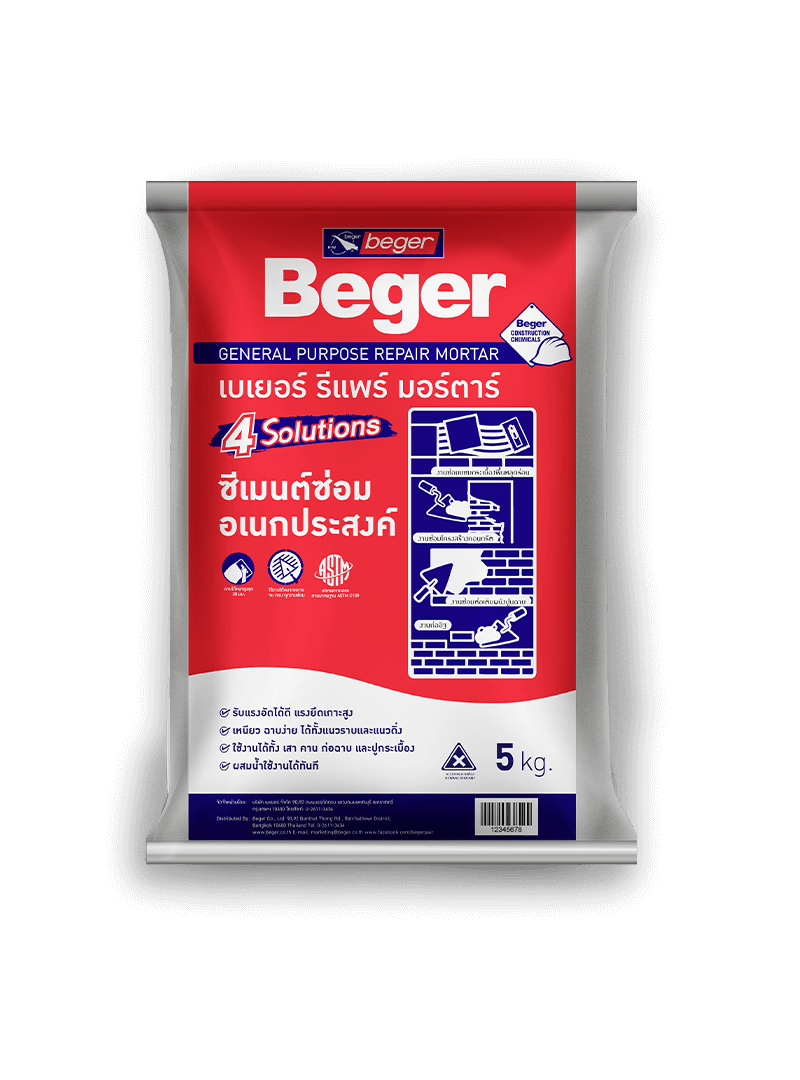
Risk points for water pooling, slippery surfaces, and structural deterioration from accumulated moisture Outdoor areas of the house, such as balconies, walkways, or front yards, often face both sun and rain throughout the year, making them prone to cracking and deterioration, especially concrete floors that begin to crack or settle. During the rainy season, problems such as water pooling, moss growth, slippery surfaces, and water seeping beneath the floor are common, which may accelerate the deterioration of the floor structure in the long term. Before the rainy season, it is advisable to check for pooling, cracks, and drainage lines. If cracks are found, they can be repaired with Beger Repair Mortar, a non-shrinking multipurpose repair mortar, and water seepage protection can be enhanced with Beger Waterblock in high-risk areas.
Outdoor areas of the house, such as:
- Balconies
- Carports
- Front walkways
- Surrounding floors
Often have to endure both sun, rain, and moisture all the time, leading to easy deterioration, especially concrete floors that begin to crack or settle.
During the rainy season, common problems include:
- Water pooling
- Slippery surfaces
- Moss growth
- Cracks expanding
- Water seeping under the floor
If left unattended, water may seep under the floor, causing some parts of the floor structure to settle over time. The sloped front yard that “does not drain properly” often causes water to flow back into the house during heavy rain, which is a common problem in renovated homes.
|
|
6. Electrical System
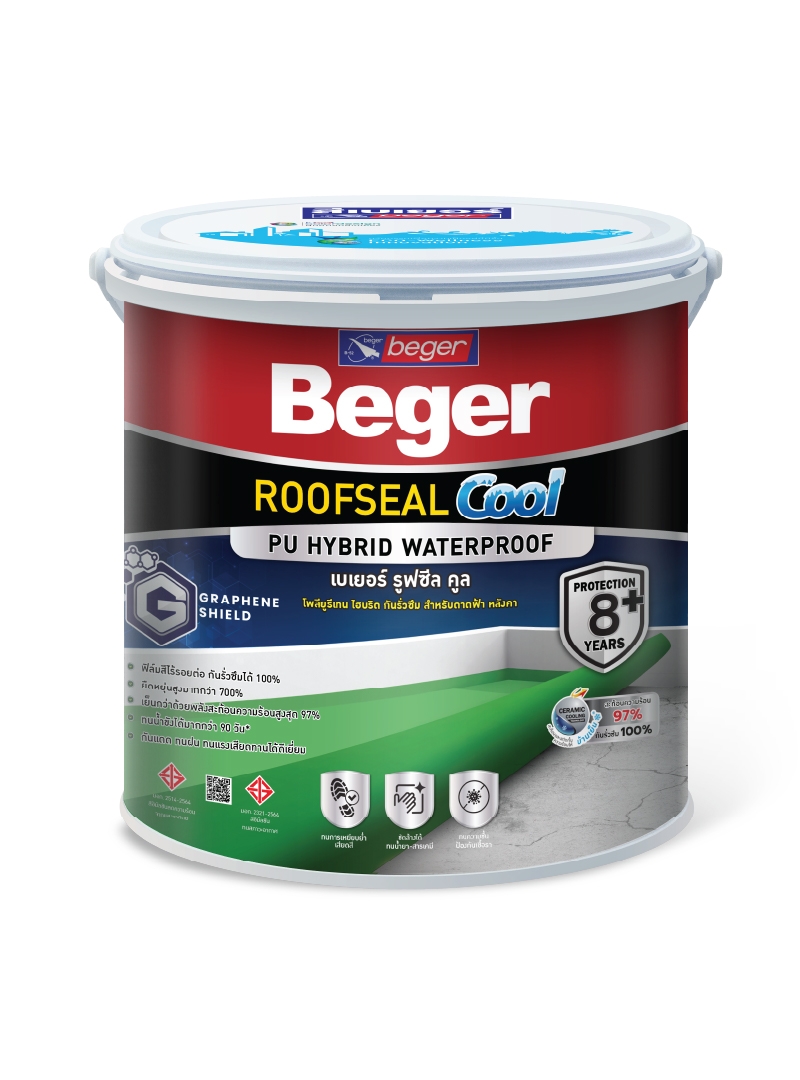
The most dangerous risk during the rainy season Moisture and rain can directly affect the electrical system, especially in homes with old wiring or leaks near electrical lines and ceilings. When water accumulates, it can cause short circuits, tripped breakers, or pose risks of electric shock and fire, especially during heavy rainfall when humidity is higher than normal. If you start to notice damp ceilings, swollen walls, or leaks near electrical installations, you should immediately address the water seepage issue and have the electrical system checked by a qualified technician. You can also enhance protection around walls or rooftops with waterproofing systems like Beger Pro Quick Primer B-1900 or Beger ROOFSEAL Cool a waterproofing chemical for rooftops to reduce the risk of moisture accumulation in the long term, reinforced with Graphene
technology, especially in homes with:
- Old wiring, leaks near wiring (especially if wiring runs along the ceiling)
- External plugs
- Non-standard grounding systems
When water leaks near the electrical system, it can lead to:
- Short circuits
- Tripped breakers
- Electric shock
- Fire
Many cases often start from “moisture accumulation on the ceiling,” which homeowners may not notice.
Points to check
- Electrical control panel
- Wiring in the ceiling
- External plugs
- Grounding system
- Electrical appliances exposed to moisture
If the ceiling starts to show water stains, it should be checked immediately, as there may be water seeping near electrical wiring, which poses a risk of short circuits during heavy rain.
Recommended products
|
|
7. Large trees
The risk during storms and strong winds that many households overlook Large trees provide shade and reduce heat for the home, but during the rainy season, trees that are not pruned or have weak roots may be at risk of being uprooted by strong winds and soil that retains more water than usual. Common problems include branches falling on roofs, trees toppling onto cars, or branches leaning on power lines, which can cause damage to both property and the safety of people in the house. Before the rainy season, it is advisable to prune branches, check trees that are starting to lean, or roots that are pushing against the ground and walls, as well as inspect the roof and surfaces around the house. If cracks are found due to root pressure, repairs should be made promptly to prevent water seepage and avoid escalating problems during heavy rain.
When the soil has accumulated high moisture, the roots of certain trees may not anchor the soil as well as before, increasing the risk of:
- Broken branches
- Fallen trees
- Branches leaning on power lines
- Trees on roofs
- Roots pushing against the ground or walls
Especially during strong wind storms, damage from fallen trees can occur within minutes. Trees with “one-sided heavy branches” are often more likely to break during rain and strong winds. It is advisable to balance the crown shape before the rainy season every year.
Before entering the rainy season, conducting a pre-check of the house is essential to reduce the risk of water leakage, moisture accumulation, and potential damage that may escalate in the future, whether it be the rooftop, roof, walls, joints, awnings, gutters, surfaces around the house, or even the electrical system and large trees around the house, all of which are common problem areas during heavy rain. If checks, repairs, and preventive measures are taken before the rain arrives, it will help extend the lifespan of the house, reduce long-term repair costs, and make the house better prepared to handle the rainy season safely.
FAQ Frequently Asked Questions Before the Rainy Season
Q1: When should I start checking the house before the rainy season?
A1: You should start checking the house from April to May, before the heavy rain season, to allow time to fix leaks, cracks, and moisture issues before they escalate into damage.
Q2: Which areas of the house are most likely to have problems during the rainy season?
A2: Common problem areas include rooftops, roofs, ceilings, cracked walls, window joints, gutters, and drainage systems, as these areas are directly exposed to rainwater and can easily accumulate moisture.
Q3: Is it necessary to repair small cracks in the walls immediately?
A3: Even if they are small cracks, they should be repaired before the rainy season, as water can seep through the cracks into the walls, leading to issues such as peeling paint, damp walls, and mold in the future.
Q4: What causes roof leaks?
A4: Roof leaks often occur due to deteriorated waterproofing layers, accumulated cracks, or standing water for extended periods, especially in homes that have not been inspected or waterproofed for many years.
Q5: Is water leakage near electrical systems dangerous?
A5: It is considered very dangerous because it can cause short circuits, electric shocks, or fires. If you notice a damp ceiling, water dripping near electrical wires, or frequent tripping of the circuit breaker, you should have a technician check it immediately.