
Have you ever noticed small cracks on your home’s walls that seem insignificant, but when the rainy season arrives, those same cracks turn into water seepage points, mold stains, or peeling paint? This is not a coincidence. Even the smallest cracks in the walls can become effective pathways for water. If left unattended, heavy rain can cause water to seep deep into the structure, potentially causing damage to the entire house. This article will introduce you to the types of cracks to watch out for, how to assess their danger level, and guidelines for repairing walls before the rainy season to help ensure your home is ready for the rainy season with confidence.
Why do small wall cracks become a big problem during the rainy season?
Although the walls may appear solid from the outside, they actually have tiny natural pores. When cracks occur, rainwater can easily seep through those cracks into the interior, especially during heavy rain and strong winds, where water pressure can push water into the walls more quickly. A crack as wide as about 0.3 millimeters can be enough for water to seep through. When moisture accumulates inside the walls, the resulting problems are often more severe than many people think, such as:
- – Bubbling, peeling, or flaking paint due to moisture pushing the paint layer from the inside.
- – Mold, algae, and salt stains accumulating, making the walls look dirty and causing musty odors.
- – Rust forming on the reinforcing steel within the concrete, expanding, and causing further cracking of the plaster.
- – Water seeping into ceilings, electrical systems, or wooden floors, leading to widespread damage.
In simple terms, a crack that seems minor today could turn into a significant expense after just one rainy season.
Types of wall cracks to know before choosing a repair method
Each type of crack has different causes and risk levels. Properly categorizing them will help you choose the appropriate repair method and materials.
Hairline Crack
This is a crack smaller than 1 millimeter, often appearing as thin lines resembling spider webs. It is caused by the shrinkage of plaster or the deterioration of paint over time. Although it is not a structural threat, it still allows water to seep into the walls. This type of crack can be repaired by yourself using standard acrylic filler.
Large Cracks or Through Cracks
If a crack is wider than 3 millimeters, diagonal at about 45 degrees, or shows the reinforcing steel inside, it is a warning sign that should not be overlooked, as it may be related to structural issues with the house. In this case, it is not advisable to just patch it up; a structural engineer or expert should be consulted for inspection.
Warning signs that wall cracks are too dangerous to ignore
If you notice any of these symptoms along with cracks, you should repair them immediately before the rainy season:
- – Cracks expanding rapidly within a short period.
- – Water stains, salt stains, or mold around the cracks.
- – Accumulated moisture in the walls, even on non-rainy days.
- – Musty odors or paint beginning to bubble.
- – Cracks located near the floor, on the lower walls, or in bathrooms.
If multiple issues are present simultaneously, it may indicate that water seepage problems are already escalating.
How to repair cracks before the rainy season: Can you do it yourself?
Properly repairing cracks is not just about filling them in; you must also choose materials suitable for the type of movement of the cracks.
The basic steps for common cracks are as follows:
- Clean the crack, removing all debris and dust.
- Widen the crack opening to a V shape if the crack is wider than 1 millimeter.
- Choose a filler material suitable for the type of crack.
- Fill the crack and smooth the surface to be even with the wall.
- Apply a moisture barrier primer before painting over it.
A step that many people often overlook is applying a moisture barrier primer, which is an important part that helps prevent water from seeping back into the wall from the inside.
Choose a repair material suitable for the problem.
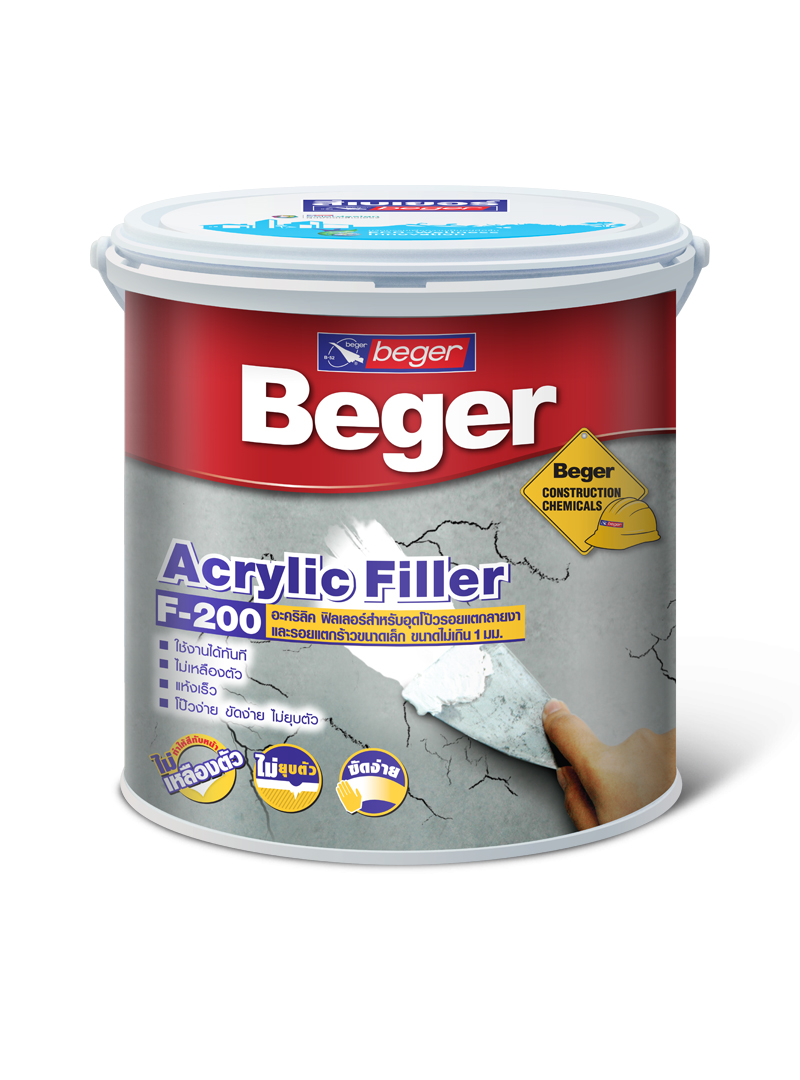
- For hairline cracks or small cracks, it is suitable to use acrylic fillers such as Beger Acrylic Filler F-20 which is easy to use, can be painted over, and is suitable for cracks that do not have much movement.
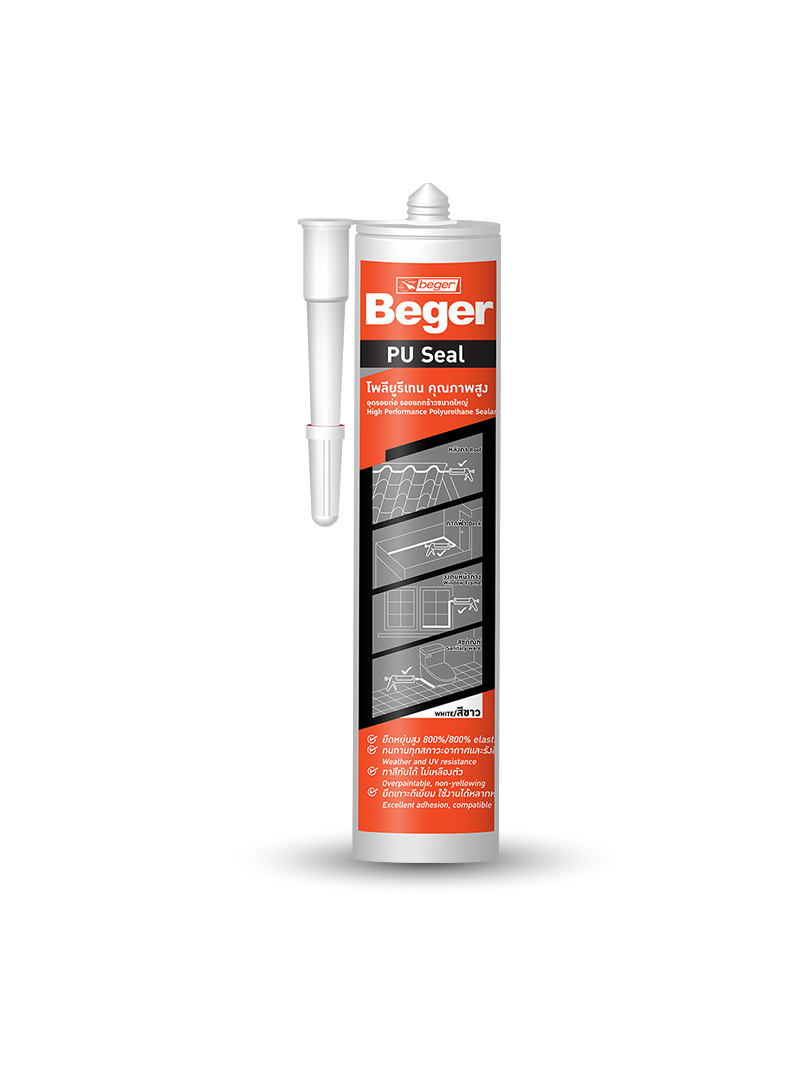
- For joints or cracks that have movement, it is advisable to choose a highly flexible material such as Beger PU Seal which can accommodate the expansion and contraction of materials well, suitable for joints of frames, roofs, or exterior walls that are exposed to sun and rain all the time.
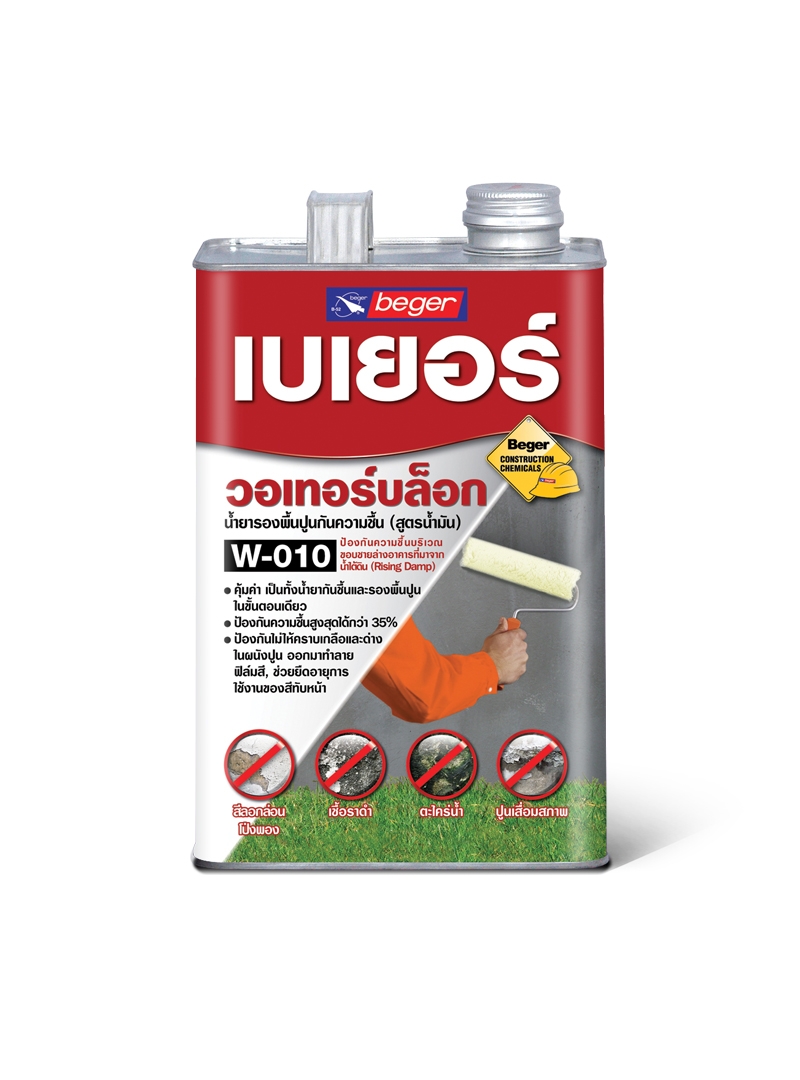
- For chronic damp walls or areas near the floor, it is recommended to use moisture barrier solutions such as Beger Water Block W-010 to help reduce water seepage, prevent mold, salt stains, and decrease the chances of paint peeling from the inside.
3 steps to help extend the lifespan of repairs and reduce recurring problems in the long term:
- Fill the crack
- Apply a moisture barrier
- Paint over it
Repairing cracks before the rain is better than letting your home suffer severe damage. Wall cracks may start as tiny lines that are barely visible, but if left unattended during the rainy season, they can lead to issues such as water leakage, moisture accumulation, and long-term structural damage. It is crucial to inspect your home’s walls starting today, categorize the types of cracks accurately, and choose the appropriate repair materials for the problem. Preventing damage before the rain arrives is always more cost-effective than repairing your home after it has been damaged.
Product Recommendations
|
|
|
|
FAQ Frequently Asked Questions about Wall Cracks
Q1: Is it necessary to repair small wall cracks quickly?
A1: Yes, it should be repaired promptly, especially before the rain, because even small cracks can allow water to seep into the walls.
Q2: How can I tell if a crack is structural?
A2: If the crack is wide, diagonal, located at the corners of doors or windows, or if rebar is visible, it should be inspected by a professional.
Q3: Can I repair cracks myself in all cases?
A3: General small cracks can be repaired by yourself, but if the crack is deep, large, or located near columns and beams, it is advisable to have a technician or engineer assess it.
Q4: After filling a crack, should I paint immediately?
A4: You should wait for the filler material to dry completely before applying a primer and then painting over it to ensure the paint adheres well and provides better water resistance.